A network of clinics
for complex diagnoses «ПланетаМед»

We don’t treat the symptoms of diseases — we get to their cause
120,000+
patients
23 years
since the clinic opened
4 clinics
in different cities
Departments
  • Targeted peptide therapy in the hands of a clinician

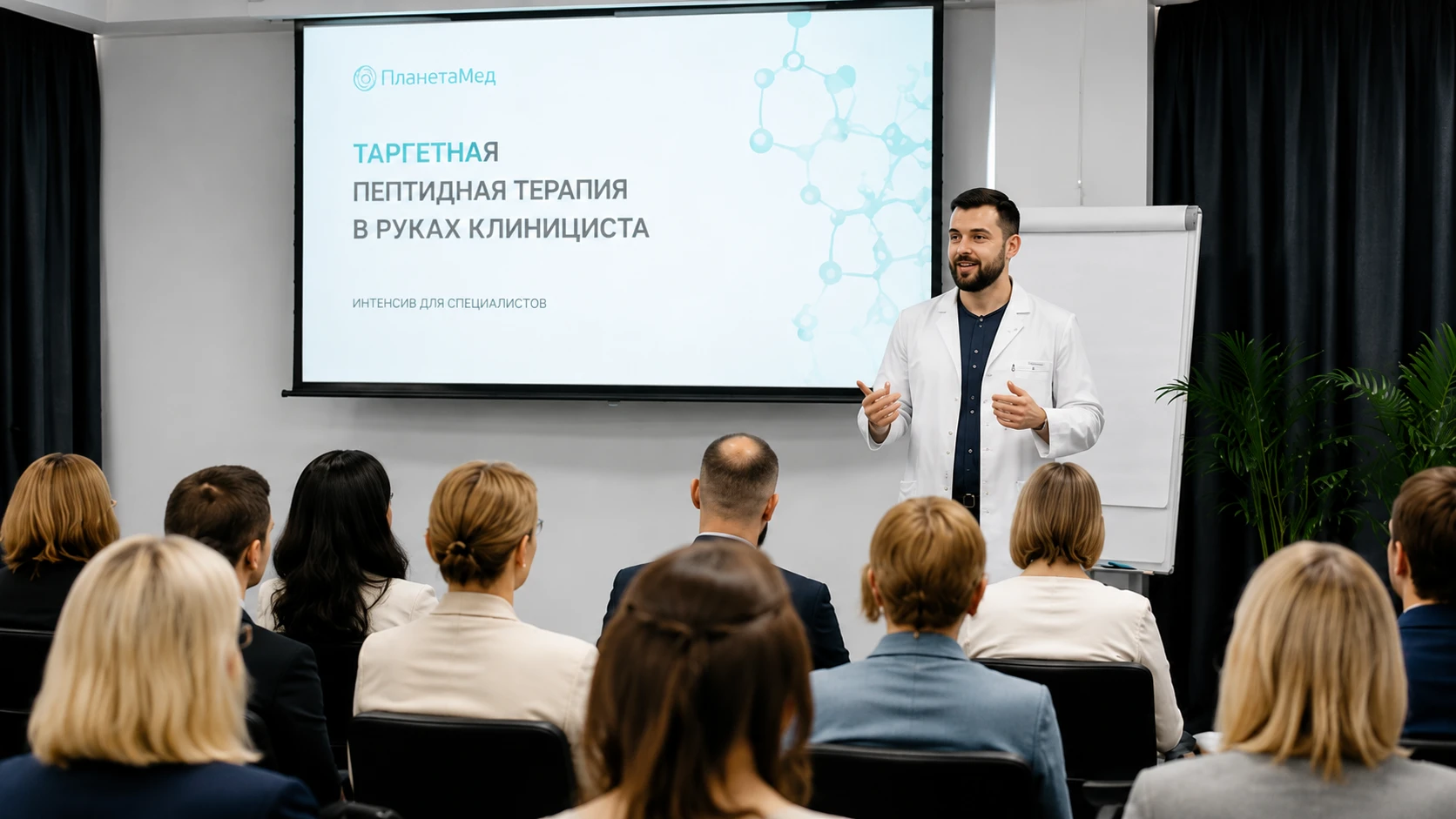
    Targeted peptide therapy in the hands of a clinician

    The intensive course "Targeted peptide therapy in the hands of a clinician", dedicated to modern approaches to the use of peptide therapy, has been successfully completed.
  • Round table in the State Duma

    Round table in the State Duma

    On April 29, 2026, a round table was held on countering medical imposture and maintaining professional standards in healthcare.
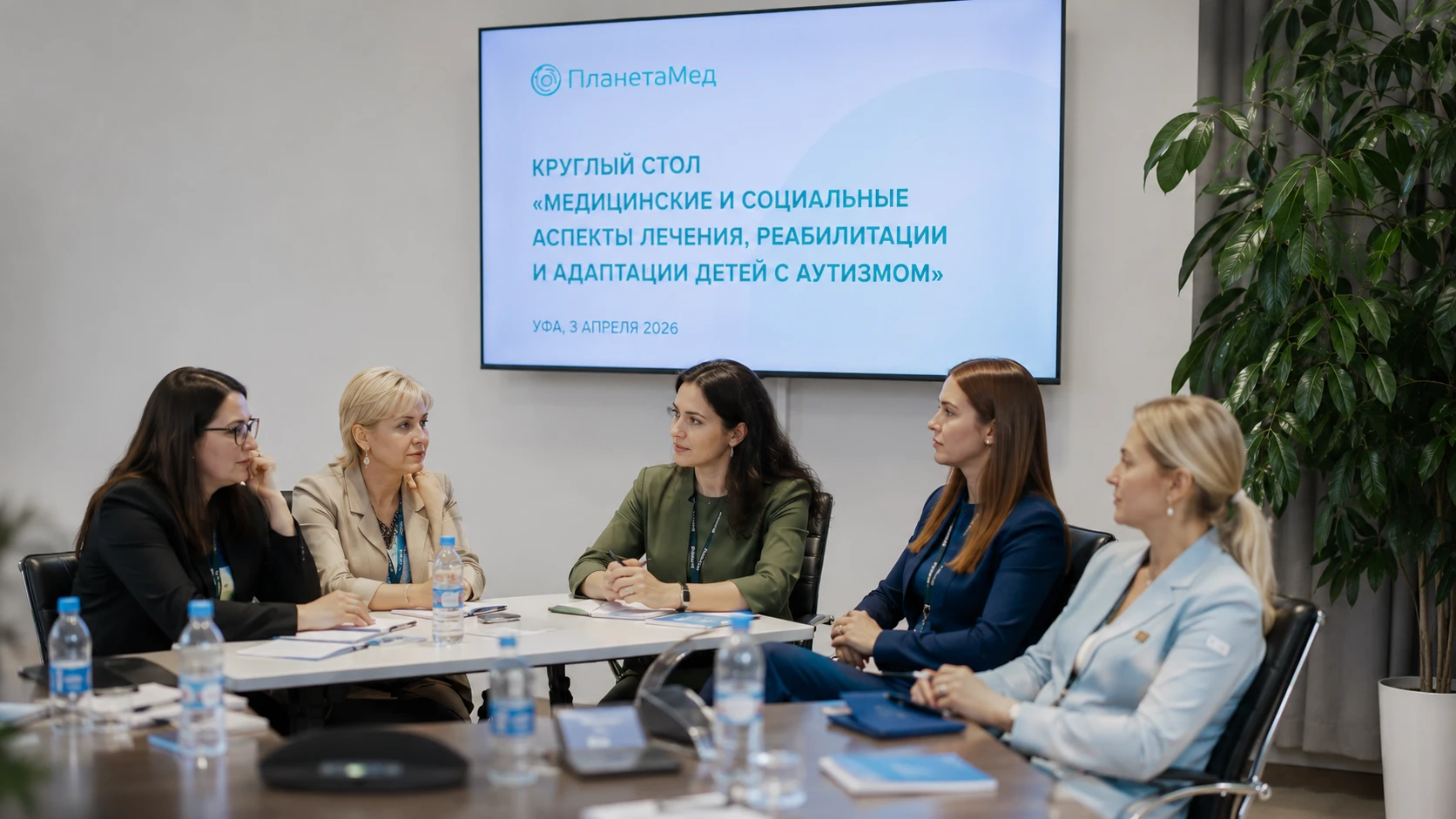
  • Round table in Ufa

    Round table in Ufa

    On April 3, 2026, Ufa hosted a round table dedicated to the medical and social aspects of the treatment, rehabilitation and adaptation of children with autism.
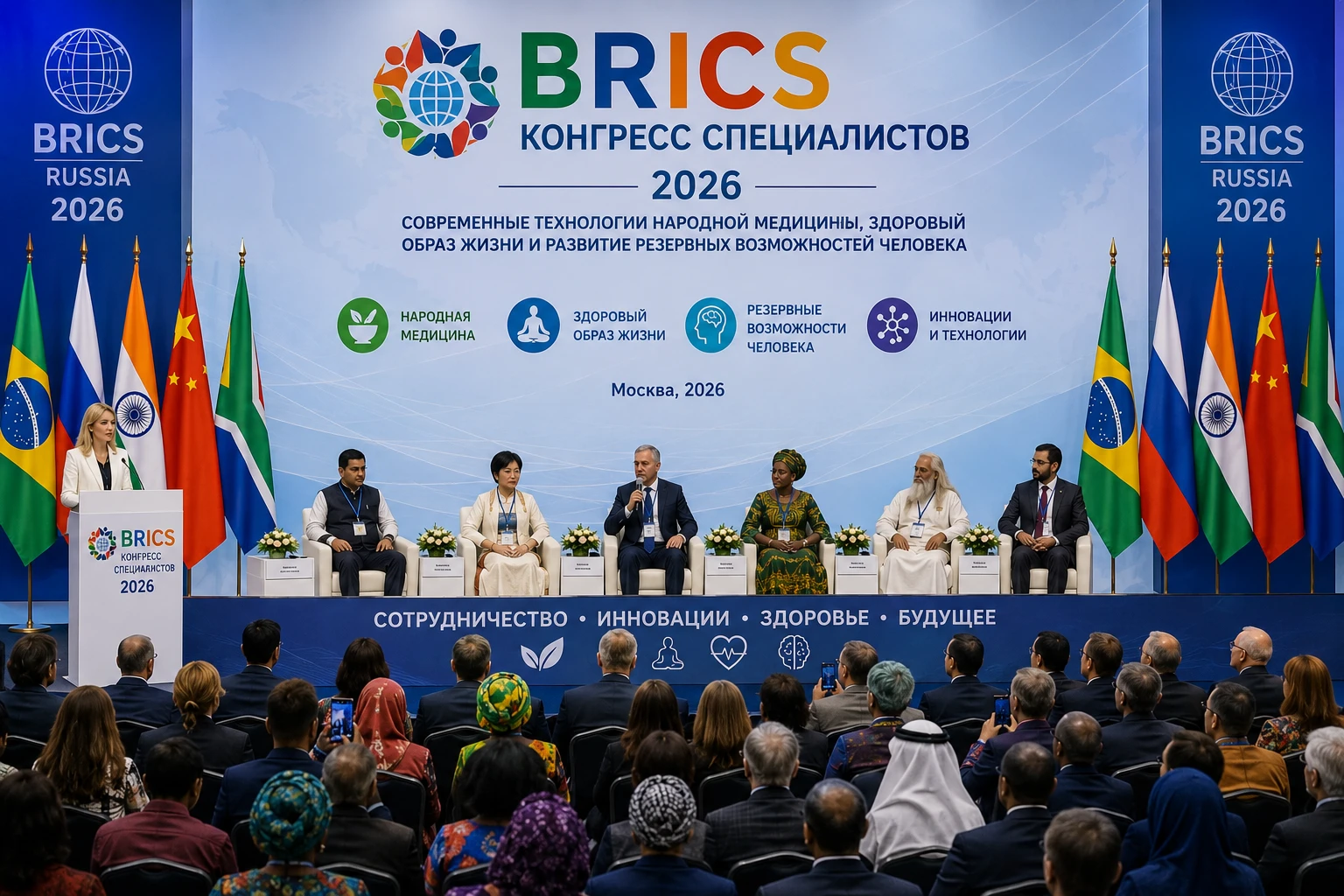
  • Congress of BRICS Specialists

    Congress of BRICS Specialists

    Specialists took part in the BRICS Congress dedicated to modern technologies of traditional medicine, a healthy lifestyle and the development of human reserve capabilities.

We are a clinic for complex diagnoses. We get to the causes and guide the patient all the way to a full result

Most clinics treat the symptoms and send the patient on their way — our approach is completely different
  • 1

    We're looking for the cause, not treating the symptoms

    We carry out an in-depth diagnostic to pinpoint the root cause of the problem and tackle it at its source.
  • 2

    Team and complementary diagnostics

    A multidisciplinary team of specialists is working on your case. Our collaborative approach and advanced diagnostic methods help us establish an accurate diagnosis.
  • 3

    Individual treatment plan

    We develop a personalized treatment program for each patient, taking into account their diagnosis, individual physiological characteristics, and therapeutic goals.
  • 4

    Accompanied by before the result

    We monitor your progress, adjust the treatment plan as needed, and support you until a stable result is achieved.
We help
children and adults
Two separate programs with different examination protocols and their own team of doctors

Neurology

Neurology
8 directions

Endocrinology

Endocrinology
8 directions

Gynecology

Gynecology
7 directions
Didn’t find
the right department?
Describe your problem — we’ll assemble a panel and refer you to the right specialist.

Neurology

Neurology
11 directions

Pediatrics

Pediatrics
6 directions
Didn’t find
the right department?
Describe your problem — we’ll assemble a panel and refer you to the right specialist.

A team
of specialists

15 years of experience
  • Neurologist
  • Epileptologist
  • Integrative medicine specialist
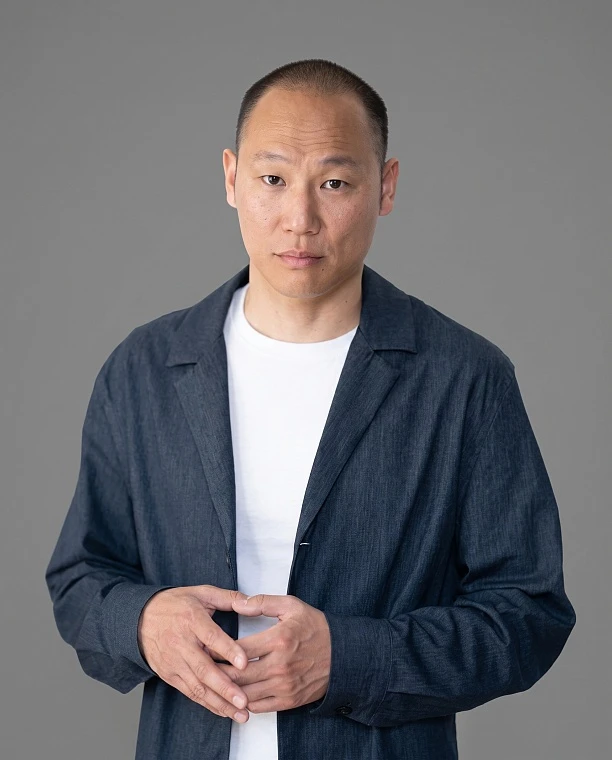
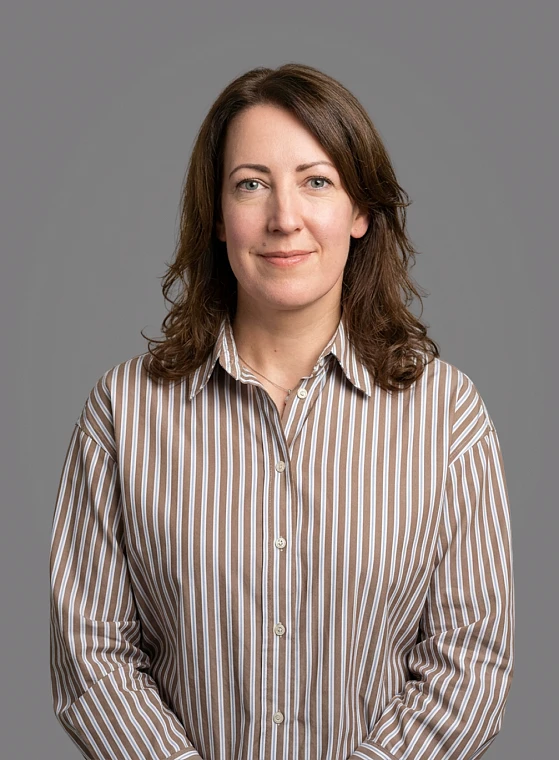
Yugay
Anton Meliksovich
15 years of experience
  • Neurologist
  • Epileptologist
  • Integrative medicine specialist
18 years of experience
  • Neurologist
  • Epileptologist
  • Integrative medicine specialist
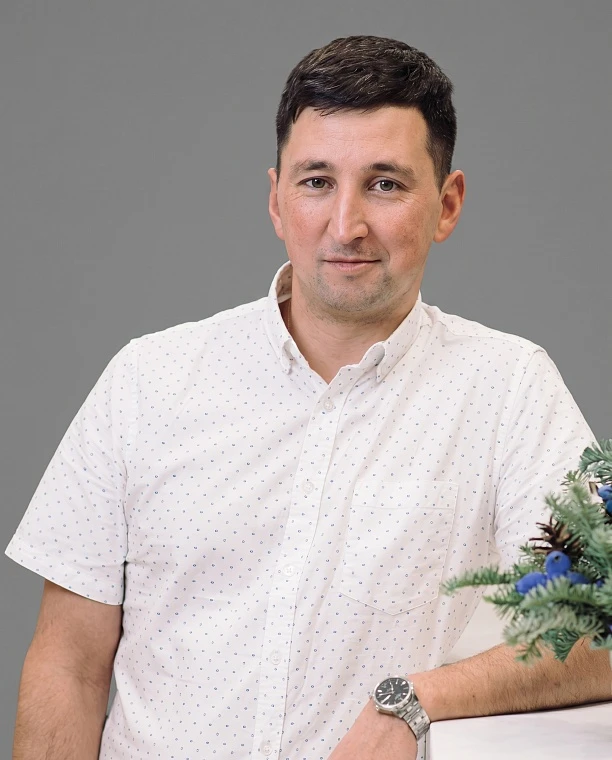
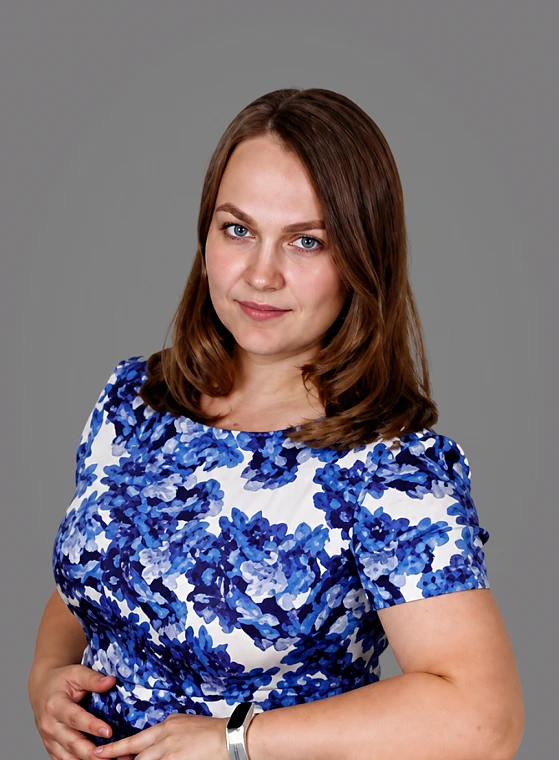
Sadykov
Timur Ruslanovich
18 years of experience
  • Neurologist
  • Epileptologist
  • Integrative medicine specialist
11 years of experience
  • Neurologist-epileptologist
  • Integrative medicine specialist
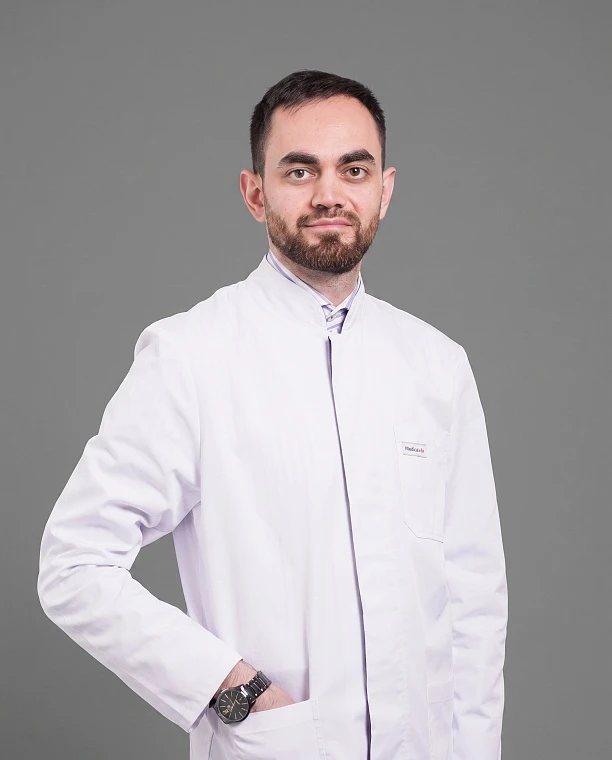
Mamedov
Latif Akifovich
11 years of experience
  • Neurologist-epileptologist
  • Integrative medicine specialist
19 years of experience
  • Neurologist-epileptologist
  • Neurologist
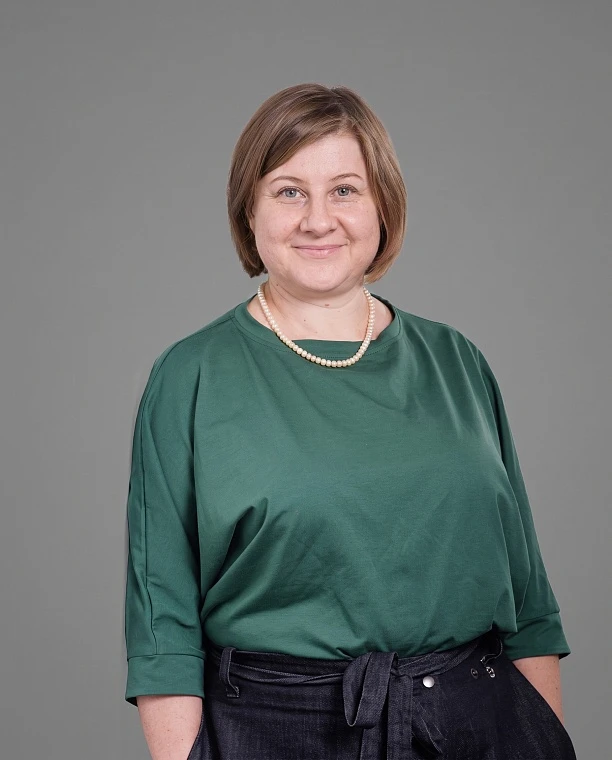
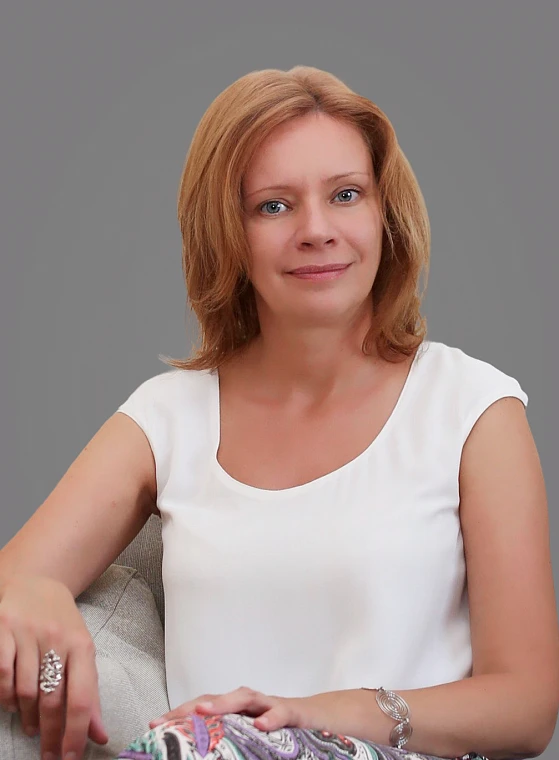
Kazakova
Yulia Vladimirovna
19 years of experience
  • Neurologist-epileptologist
  • Neurologist
23 years of experience
  • Pediatrician
  • Preventive pediatrician
  • Psychosomatic specialist
  • AromaTouch Technique Specialist
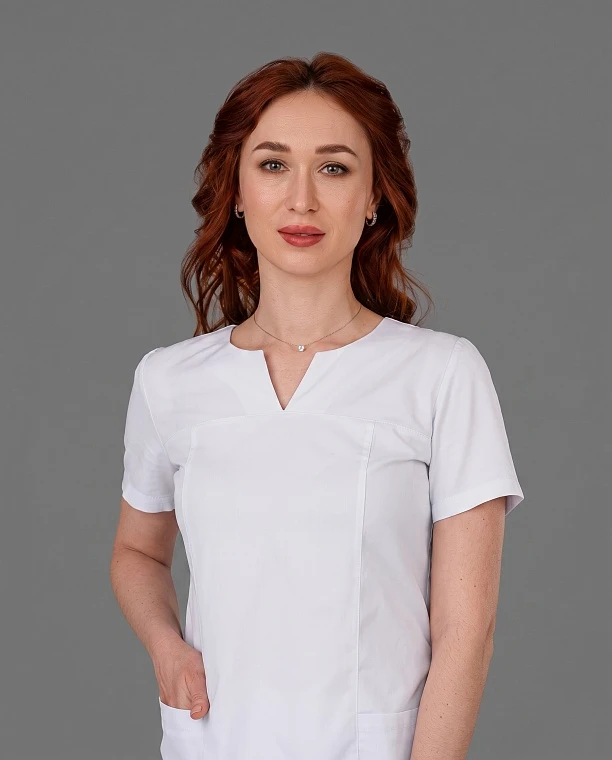
Bulanova
Kristina Erikovna
23 years of experience
  • Pediatrician
  • Preventive pediatrician
  • Psychosomatic specialist
  • AromaTouch Technique Specialist
14 years of experience
  • General Practitioner (Family Medicine)
  • Neurologist
  • Integrative medicine specialist
Korolyova
Anna Igorevna
14 years of experience
  • General Practitioner (Family Medicine)
  • Neurologist
  • Integrative medicine specialist
21 years of experience
  • Psychiatrist
Omelchenko
Maria Anatolyevna
21 years of experience
  • Psychiatrist
11 years of experience
  • Endocrinologist
  • Nutritionist
Sysoeva
Irina Igorevna
11 years of experience
  • Endocrinologist
  • Nutritionist

If you recognized at least
one situation —
we know how to help

Sounds familiar? At the first consultation we’ll honestly tell you whether we can be of help

  1. Doctors can’t make a diagnosis

    You’ve seen several specialists but still haven’t gotten a clear answer about what’s happening and why the symptoms appeared.
  2. Treatment isn’t working

    You follow the prescribed treatments, but your condition doesn’t improve, or the results turn out to be only temporary.
  3. Symptoms keep coming back

    The problem keeps coming back after treatment, and the cause of the recurring symptoms remains unclear.
  4. A child is behind in development

    You have concerns about your child’s development, but there’s still no shared understanding of the causes or where to begin with support.

Results
of our work

Real cases from the clinic’s practice. Photos and videos are published with the consent of the patients or their legal representatives
At the start
Before

Case study: Yaroslav. We first met this family 3.5 years ago.

Initial condition
The boy was born healthy, but at 3.5 years old, after a vaccination, COVID-19, and chickenpox, he experienced a severe regression.

  • - stopped understanding spoken language,
  • - repeated words like an echo (echolalia),
  • - could not communicate with other children or think coherently.
  • - got exhausted quickly and fell ill frequently.

Conventional nootropics prescribed by local doctors didn't help, and his body reacted to Cortexin in an alarming way — a sharp acetone-like smell started coming from his body.

What we did
The family reached out to our team. We carried out comprehensive medical therapy: several protocols, three courses of Remit, and two plasmapheresis sessions. We added immunoglobulin therapy and hormonal support. His mother put him on a strict gluten-free and dairy-free diet, after which the child began to change before their eyes.

Result after
3.5 years

After 3.5 years of treatment, Yaroslav has started attending a regular mainstream school. The school administration and the PMPK (Psychological-Medical-Pedagogical Commission) recognized him as ready to study under the 7.1 curriculum, and he is coping well with his studies.

The child has grown stronger and has hardly been ill for two years now.
He has developed a personality of his own: he can stand his ground and throws healthy tantrums when he doesn't feel like studying. His mother clearly sees the connection between diet and brain function: an accidental intake of sugar causes her son to become inappropriately giddy, as if intoxicated, but returning to the diet quickly brings everything back to normal.

Plans include immune support during the cold/flu season and a preventive Remit course during school breaks. The parents approached the treatment in a timely and conscious manner, which is what yielded such an outstanding result.

Current result
At the start
Before

Case study: Lev, a boy nearly 3 years old. We have known his mother, Tatyana, for only 4 months.

Initial condition
The boy had mitochondrial disorders, which caused a complete lack of energy.

  • - He was panically afraid of water — it was impossible even to wash him.
  • - He could not tolerate the noise of a vacuum cleaner or a hairdryer.
  • - His coordination was impaired: he struggled to climb stairs, could barely hold a spoon, could not sit still for more than two minutes, and would bend in half when trying to place him on a potty.
  • - He did not respond to his name.
  • - He mainly ate pastries (buns).

What we did
We started treatment. We adjusted his diet, restricted certain foods, and removed pastries from his meals.

Result after
4 months

Results
After 4 months of therapy, noticeable improvements have emerged.

  • The fear of water is gone — now Lev enjoys playing in the bath for long periods.
  • The noise of household appliances no longer triggers panic; there is no need to hide in another room.
  • His physical strength has improved: the boy climbs stairs on his own, only slightly holding onto the wall for support.
  • He sits calmly on the potty and at the table until the end of the meal.
  • He has learned to drink from a cup, although he still throws it down after taking a sip.
  • He has developed comprehension and a more aware gaze. Lev has begun interacting with his mother: he pushes her toward the kitchen when he is hungry, takes her hand to help him hold the spoon.
  • He is uttering his first syllables.
  • Despite a restricted diet, he has gained one kilogram in a short period of time.

The main achievement is that the child has developed an internal reserve of energy. Skills and new interests are emerging on their own, without the involvement of rehabilitation specialists, simply because his body has started to recover. Going forward, we plan to strengthen the child with further treatment protocols and gradually introduce physical training.

Current result
At the start
Before

Case study: Makar, a boy aged 8.5 years. The family has been in therapy for five months.

Initial condition

  • - The child seemed to be in a state of stupor and suspended animation: he saw nothing, heard nothing, and was completely withdrawn into himself.
  • - During walks, he required constant supervision, as he could wander off in an unknown direction.
  • - He exhibited rigid behavioral stereotypes. If the car took a wrong turn on the way home from kindergarten, the boy would throw a tantrum that escalated to the point of convulsions. They had to go back to the starting point and drive the way he wanted.
  • - He suffered from severe bowel problems.
  • - He constantly ground his teeth and showed signs of severe parasitic intoxication.
  • - During sessions with teachers, he would scream and throw tantrums, and it was impossible to calm him down. His parents were afraid of the onset of epileptic seizures.
Result after
5 months

What we did
We completed one treatment protocol and came in for the Remit procedure.

Results
Immediately after the first protocol, his thinking began to unlock. In just five months, the boy has started rapidly approaching a neurotypical child:

  • - He developed an understanding of spoken language and boundaries. He understands words like "no," "stop," and "wait." He is now a calm and obedient child.
  • - His gaze has become more aware. Previously, his name had to be repeated a hundred times to get his attention, but now he responds instantly: "What, Mommy?"
  • - He has started paying attention to the world around him, although he used to be indifferent to it. He notices everything and gives his own opinions. For example, upon seeing a strange metal structure on the road, he said: "Ugh, how creepy!"
  • - He has developed a sense of humor and has started making jokes.
  • - He can now clearly articulate and tell where and what hurts.
  • - He shows empathy. During the Remit procedure, he was a little upset at first due to the unfamiliar environment, but then he comforted his mother: "Don't be sad."

The parents are absolutely delighted with such changes in such a short time. The results are excellent — we keep working!

Current result
At the start
Before

Case study: Matvey.
We are speaking with his mother, Nadezhda. Before coming to us, the family had spent two years on sessions with ABA therapists, special education teachers, neuropsychologists, and speech therapists under the supervision of a psychiatrist.

Initial condition

  • - Official diagnosis: autism.
  • - The child was non-verbal and completely unresponsive to contact.
  • - He exhibited severe hyperactivity and would not follow any instructions.
  • - He did not understand educational games and did not know colors.
  • - His mother spent several months unsuccessfully trying to teach her son to ride a scooter: she showed him how to place his foot and push off, but with no results.
  • - The prescribed nootropics and endless therapy sessions yielded no progress whatsoever.
  • - Financial exhaustion: the courses cost about 100,000 rubles per month. The family was forced to take out loans and went into debt, having wasted over two million rubles on such training with no results.
Result after
5 months

What we did
The family turned to our clinic. The mother completely gave up the useless developmental sessions. Over 5 months of treatment, Matvey underwent two of our protocols and the Remit procedure. Notably, the effective treatment cost several times less than the previous sessions — the family didn't even have to take out loans.

Results

  • - There was a massive leap in motor development. After Remit, the boy got on a scooter by himself and rode off. The same happened with a bicycle — he simply sat down and rode without lengthy training.
  • - He developed the pointing gesture.
  • - The child became calmer and began playing and developing independently.
  • - His cognitive understanding improved: he now sits calmly at the table, identifies colors, and easily sorts shape sorters, the purpose of which he previously did not understand at all.
  • - He started helping his mother with household chores, such as washing the floor.
  • - During walks, he stopped running around chaotically and now always stays close to his mother.
  • - The local psychiatrist, seeing such radical changes, stated that they must have initially made a mistake with the diagnosis, and now believes it is not autism but a developmental delay (intellectual disability).

Currently, Matvey does not attend specialized sessions; his mother successfully works with him at home. And other mothers of children with autism, seeing such amazing progress, are actively inquiring about the treatment protocol and heading to our clinic.

Current result
At the start
Before

Case study: Demyan.
We are speaking with his mother; the boy has been undergoing treatment at our clinic for a year now.

Initial condition

  • - At 3 years old, the boy weighed critically little — only 10 kg; he was literally carried into the clinic in his mother's arms.
  • - Official diagnosis: psychoverbal developmental delay (ZPRR).
  • - There was no eye contact, no pointing gesture, and no comprehension of spoken language.
  • - The child was severely exhausted and literally "broke down" from the endless number of developmental sessions he was taken to everywhere.
Result after
1 year
Current result

Stories
from our patients

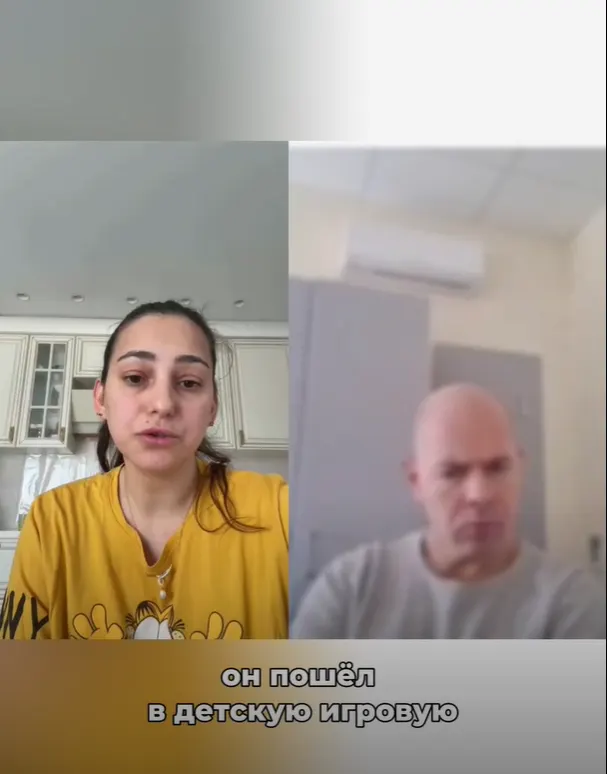
Stem cells lead to normalcy.
Delayed mental and psycho-speech development
Stem cells lead to normalcy.
Moscow, 17 июня 2026
Severe Allergies, Speech and Learning Problems — Can It Be Fixed? Testimonial
29 мая 2026
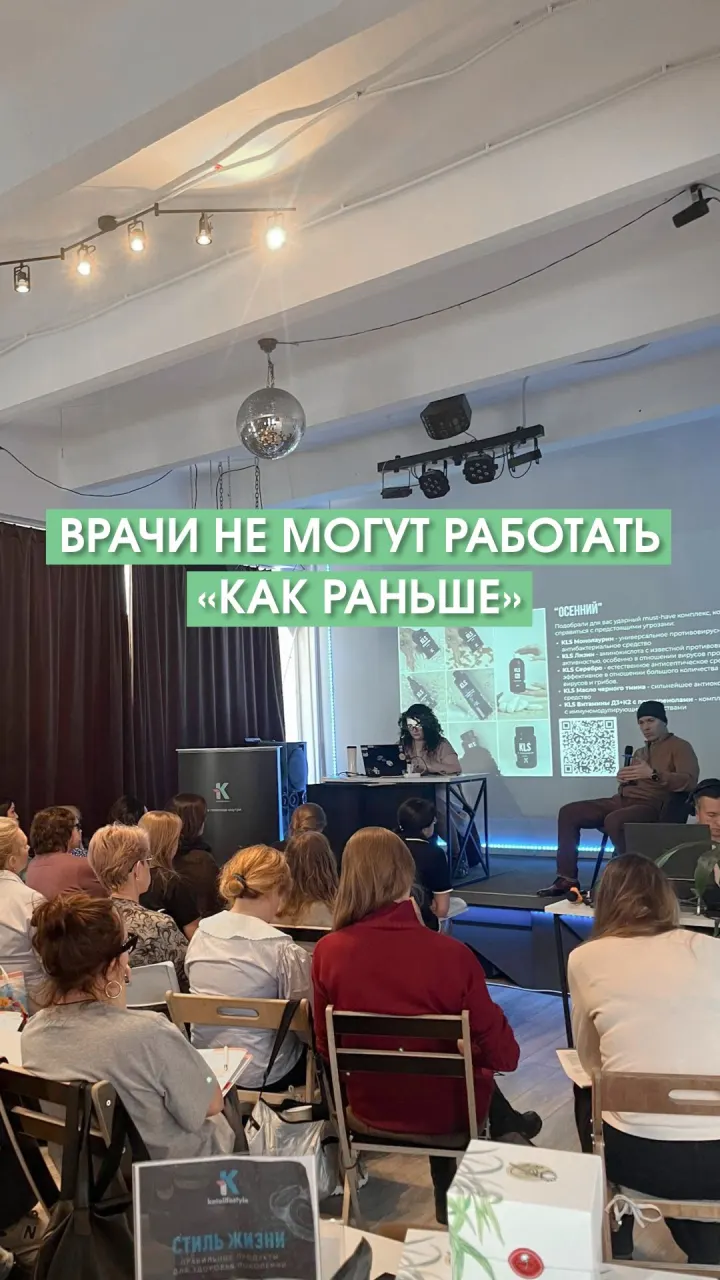
Why Doctors from All Over the Country Come to PlanetaMed
27 мая 2026
Didn't Speak and Screamed at Age 4. What Changed in Six Months
27 мая 2026
Vaccination as the Cause of Regression
22 мая 2026
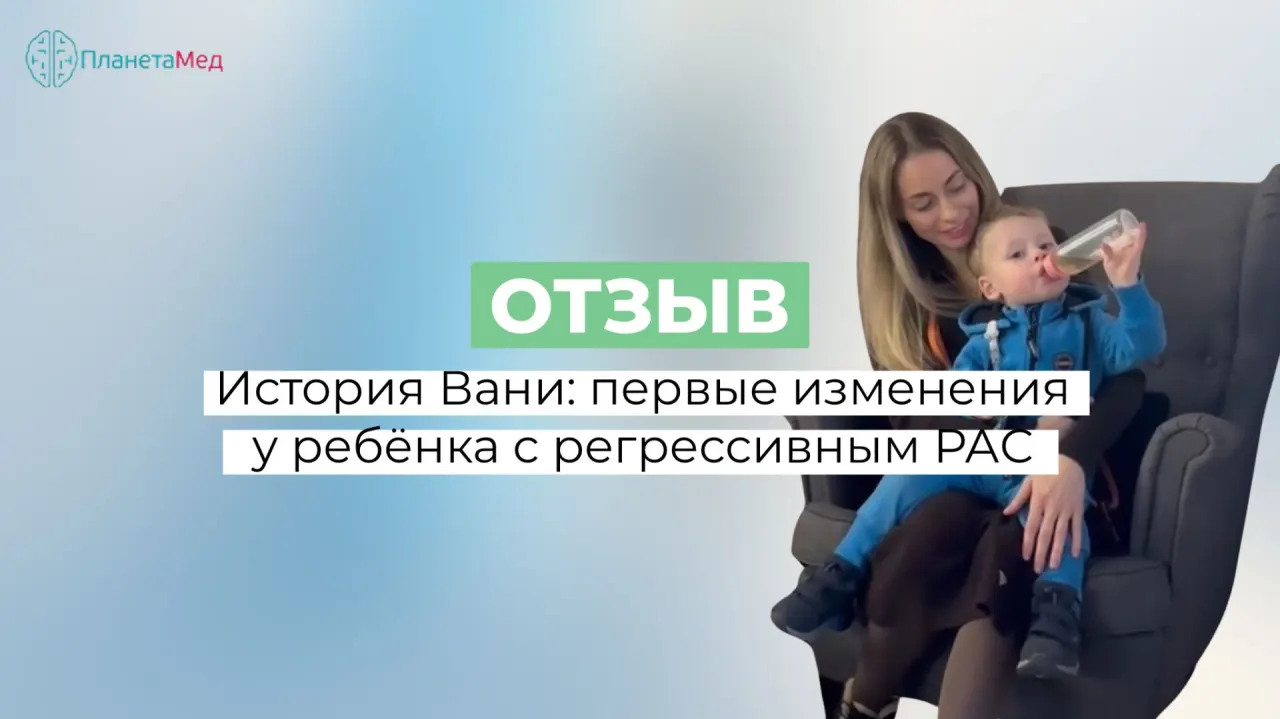
Vanya's Story: First Changes in a Child with Regressive ASD
19 мая 2026
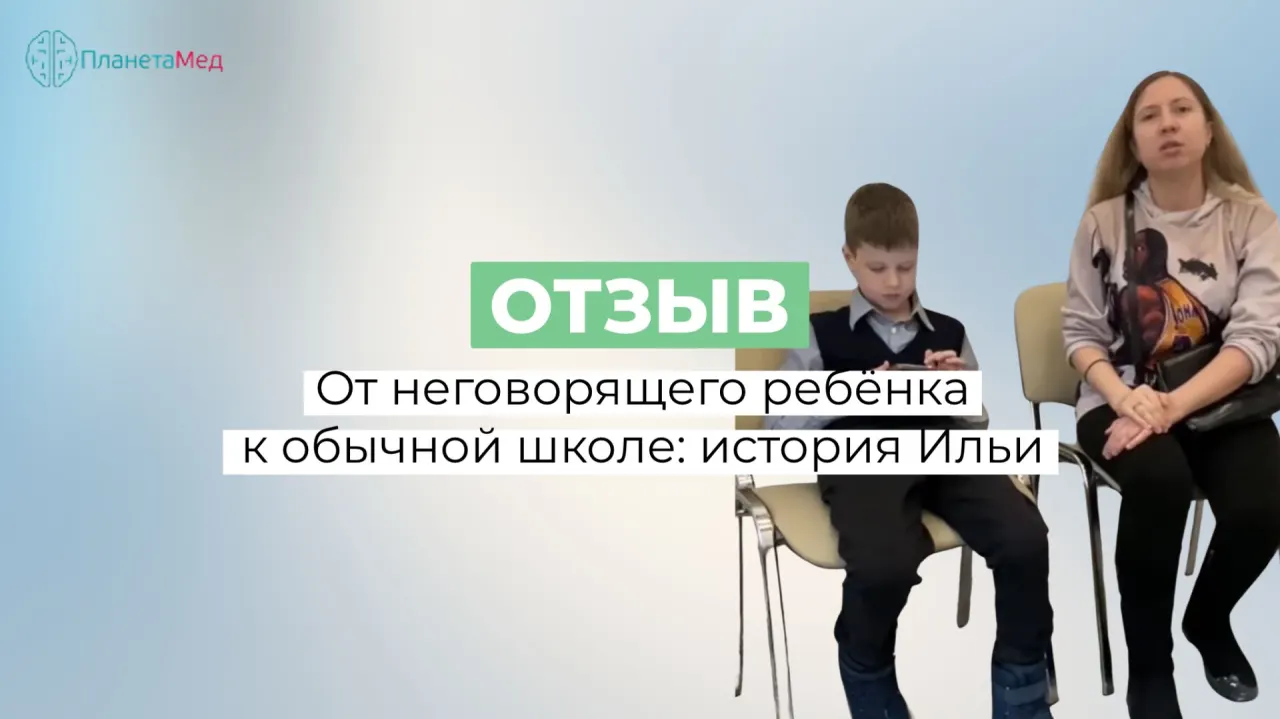
From a Non-Verbal Child to a Mainstream School: Ilya's Story
17 мая 2026
On the Road to Recovery
14 мая 2026
Regressive Autism Is Treatable
13 мая 2026
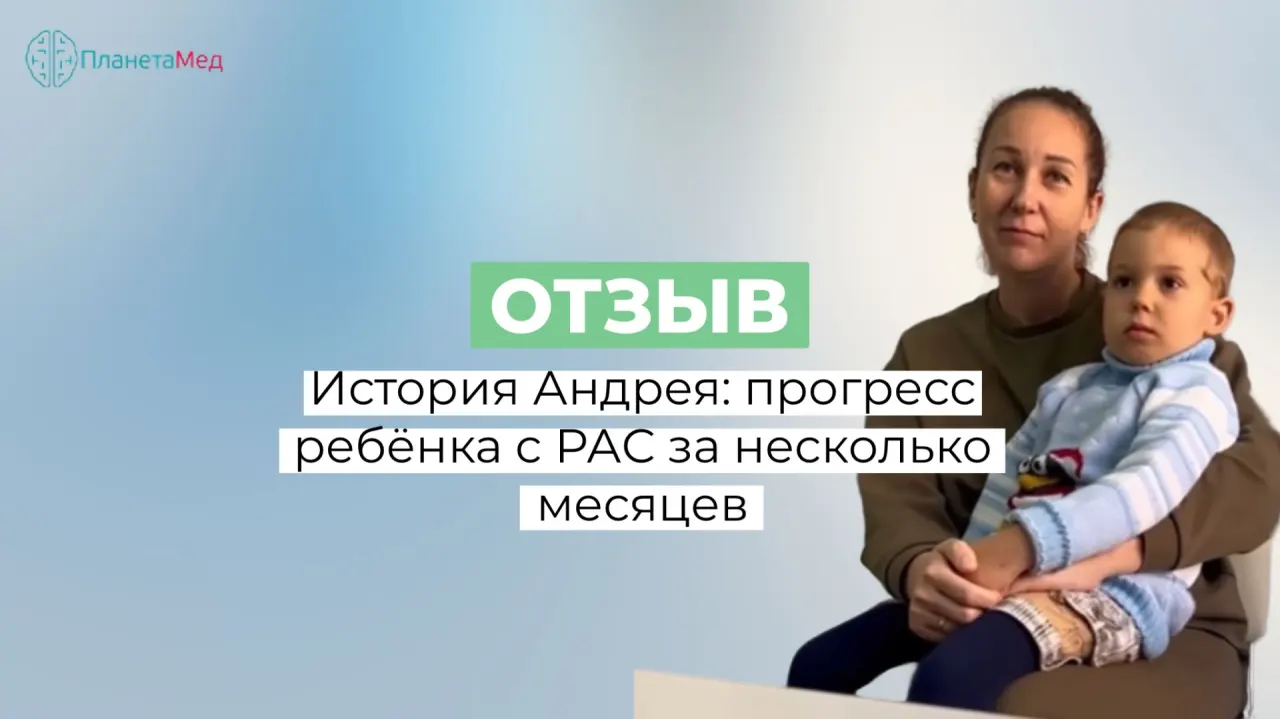
Andrey's Story: Progress of a Child with ASD in a Few Months
8 мая 2026

How does treatment work at the "PlanetaMed" clinic?
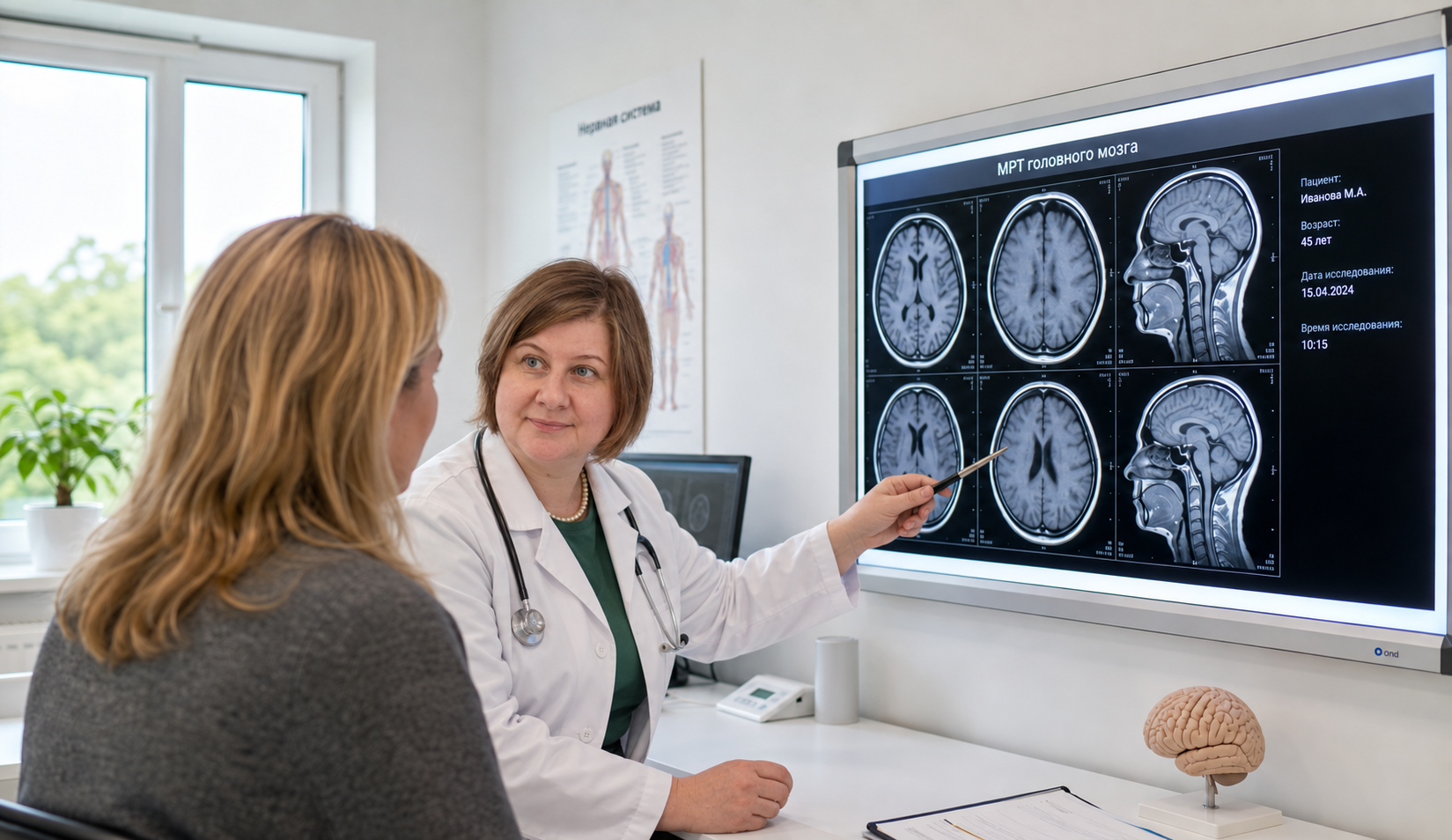
We strongly believe that the treatment of complex diseases should address the root cause rather than just managing the symptoms. Therefore, our work is based on a precise algorithm that allows us to see the full picture of the body’s condition and tailor an individualized therapy program, ensuring the fastest possible recovery.
Stage 1/4
Comprehensive diagnostics

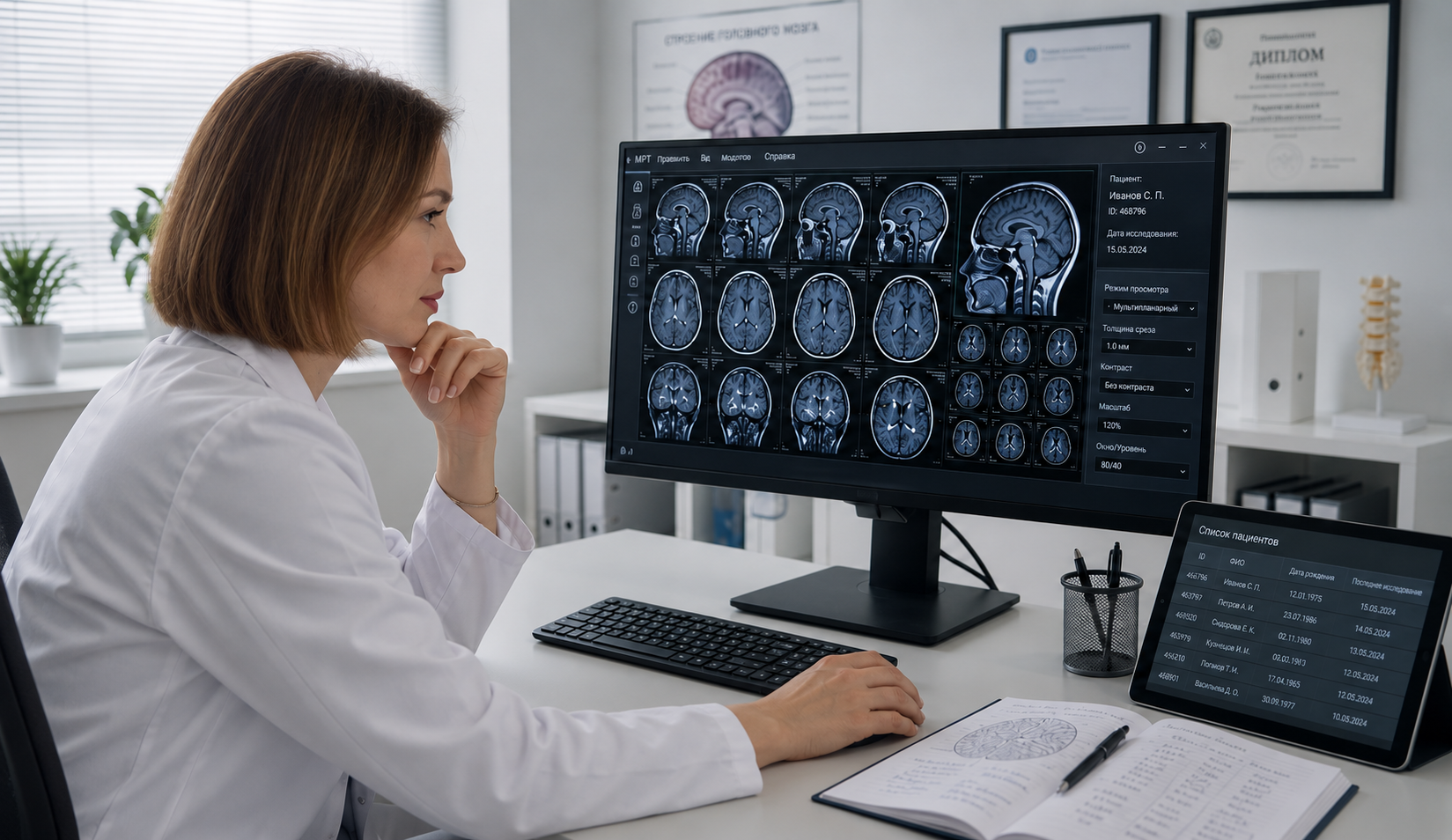
The first stage is a comprehensive examination of the body.

We go beyond simply making a diagnosis. It is crucial for us to understand how all body systems function, evaluate metabolic processes, inflammatory activity, immune status, gut and mitochondrial health, vitamin and trace element deficiencies, as well as other indicators that may influence the development of the disease.

It is high-quality diagnostics that forms the foundation of effective treatment.

What is included in the primary diagnostic list?

  1. Complete blood count (CBC)
  2. Biochemical blood test (total protein, lactate, bilirubin, urea, creatinine, ALT, AST, eosinophil cationic protein, NSE, S100, total IgE, TNF-alpha, C-reactive protein, rheumatoid factor)
  3. Urine organic acids — 60 parameters (urine)
  4. Amino acids — 48 parameters (blood)
  5. ASO (Antistreptolysin O)
  6. Human Herpesvirus 6 (HHV-6), quantitative

*Additional data may be required; the clinic administrators will provide you with more precise information.
Stage 2/4
Identifying the cause of the disease

The exact same diagnosis can have completely different causes. Our task is to find the specific mechanism that led to the development of the illness in your particular case.

We analyze the examination results, medical history, and clinical picture to determine the root causes of the disease: chronic inflammation, metabolic disorders, mitochondrial dysfunction, toxic load, immune disorders, deficiency states, and other factors.

By addressing the cause, rather than just the symptoms, we create the foundation for sustainable results.

Stage 3/4
Individualized treatment plan

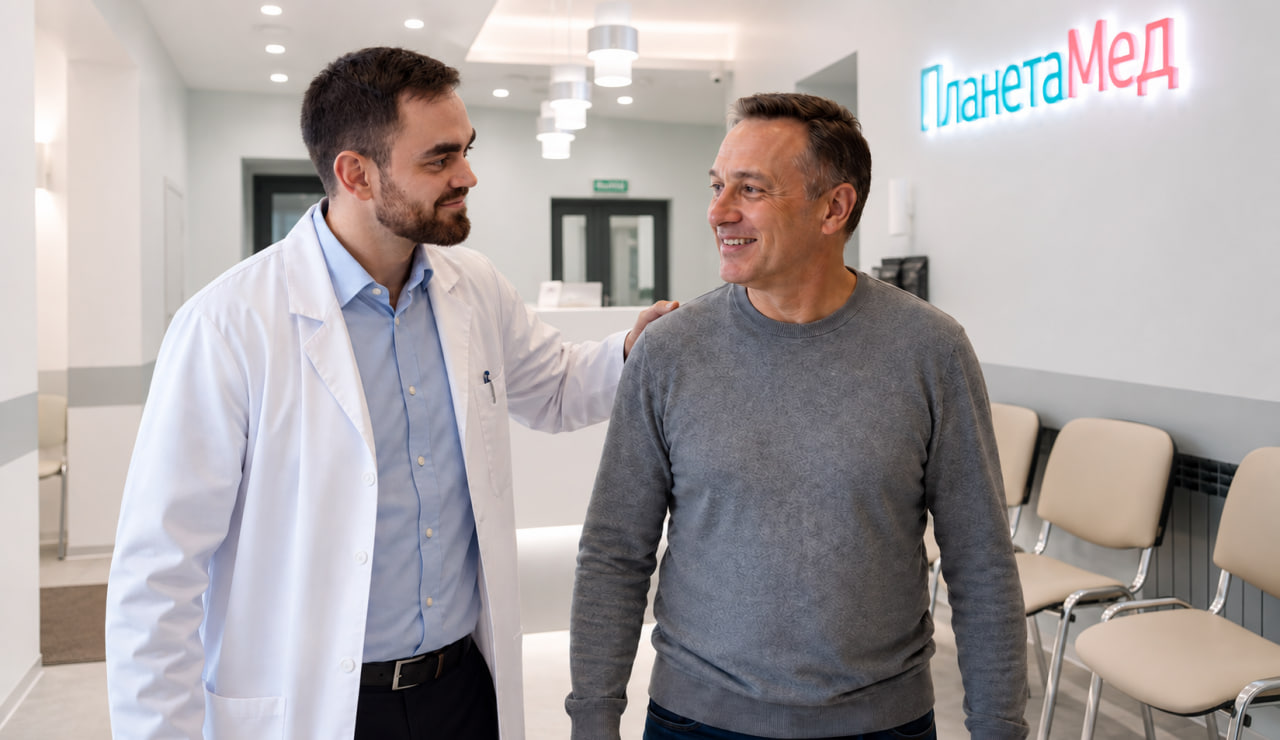
After establishing a complete clinical picture, the doctor develops a personalized treatment program.

Depending on the patient's condition, it may include:

  • infusion therapy;
  • dietary adjustments;
  • ketogenic and metabolic programs;
  • mitochondrial support;
  • gut restoration;
  • anti-inflammatory therapy;
  • cellular technologies;
  • nutritional support and other modern methods.

Each plan is created individually, taking into account age, diagnosis, examination results, and treatment goals.
Stage 4/4
Support at all stages

Treatment is a process that requires monitoring and timely adjustments.

Our specialists accompany the patient throughout the entire program: they evaluate progress, monitor health indicators, adjust prescriptions, and answer any questions that arise. This approach allows us to adapt the treatment in a timely manner and achieve the best possible results for each patient.

At PlanetaMed, we do not treat an isolated diagnosis — we work with the body as a whole, helping to restore its own resources and regain quality of life.
Education
for doctors
and patients

All lectures
Neurology

The ketogenic diet as a component of metabolic and mitochondrial therapy for severe neurological and somatic diseases.

A series of lectures for specialists and interested listeners

Lecturer: Vasily Generalov – Doctor of Medical Sciences, Professor, specialist in integrative medicine, neurologist, epileptologist, author of the book "Ketogenic Diet. You Can Eat Fat!"

The full series consists of 10 lectures. Every Wednesday – a new release. Over 15 hours of useful information.

Cost of the full lecture series – 25,000 rubles.

Lecture series plan:

1. Introduction

  • 10 elimination diets
  • Types of ketogenic diets
  • Basic principles, effects of ketones
  • Application of the ketogenic diet in therapeutic practice. Indications, contraindications, prospects for use
  • Alternative options for the ketogenic diet

2. Effect of diets on intestinal permeability. Side effects of the ketogenic diet

  • Permeability tests. Methods for measuring intestinal permeability with PEG-400
  • Factors of influence and strategies for strengthening intestinal permeability
  • Clinical examples of using various ketogenic diet protocols for various diseases
  • Side effects of the ketogenic diet. Myths. Keto flu
  • Effect of the ketogenic diet on microbiota, cholesterol metabolism, neoplasms, kidney stone formation, development in children, and hormonal disorders

3. Treatment strategy for epilepsy, ketogenic diet and other treatment strategies for epilepsy taking into account its etiology

  • Mechanisms of epileptogenesis
  • Inflammation and epilepsy
  • Mechanisms of the ketogenic diet
  • Effect of the ketogenic diet on neuroinflammation
  • Polyunsaturated fatty acids and anti-inflammatory effects
  • Effect of the ketogenic diet on BBB permeability
  • Effect on microbiota
  • Ketogenic diet in various forms of epilepsy
  • Clinical examples

4. Ketogenic diet and type 2 diabetes mellitus

  • Role of mitochondria in muscles
  • Mechanisms of insulin resistance
  • Reduction of mitochondrial oxidative function in type 2 diabetes mellitus
  • Role of mitochondria in adipose tissue
  • Role of mitochondria in the liver
  • Ketogenic diet and mitochondrial dysfunction
  • Weight gain
  • Metabolic syndrome
  • Polycystic ovary syndrome
  • Clinical examples

5. Integrative approaches in the treatment of multiple sclerosis. The role of dietary programs

  • Role of mitochondria in MS
  • Role of infectious agents
  • Role of biological membrane permeability
  • Treatment approaches
  • Effect of the ketogenic diet on multiple sclerosis
  • Use of hormonal therapy in MS
  • Use of metabolic therapy in MS

6. A new perspective on pathogenesis and pathogenetic treatment of neurodegenerative diseases. Parkinson's disease

  • Integrative approaches in the treatment of Parkinson's disease
  • Mitochondrial dysfunction and Parkinson's disease
  • Inflammation and PD
  • Ketogenic diet in the treatment of Parkinson's disease

7. Integrative approaches in the treatment of oncological diseases

8. Integrative approaches in the treatment of Alzheimer's disease

9. Autism

10. Basic principles of the ketogenic diet (KD variants, calculation of macronutrients, food selection, path to ketosis, keto-adaptation, myths, nutrients, main mistakes, menu examples, etc.)


Lectures become available for viewing 2-3 days after the webinar date.

Video recordings of lectures are available to registered participants for one month after the release date.

For all questions regarding the purchase and viewing of lectures, write to keto.planeta@gmail.com

25 000 ₽
Neurology

Lecture: "Tics and Hyperkinesia in Children"

The lecture discusses the causes of tics and hyperkinesias in children, mentions the classification of tics depending on the type of hyperkinesia, examines a new concept for the treatment of resistant tics and Tourette's syndrome, and defines the role of diet, the examination protocol, and the strategy for prescribing therapy.

The lecture is relevant for children with mild tics and Tourette's syndrome; the material is accessible for independent application and will also be useful for review before a visit to the doctor.

Cost of the lecture – 5,000 rubles

Buy the lecture

Access to the course is provided for a period of 1 month from the date of purchase.

5 000 ₽
Neurology

Lecture by Dr. Generalov. Headache: Diagnosis and Treatment Methods.

Headache is the most common complaint among patients. Do not treat the symptoms — look for the cause.

3 000 ₽
Neurology

Lecture 1. Principles of elimination and various types of therapeutic diets

  • 10 elimination diets
  • Types of ketogenic diets
  • Basic principles, effects of ketones
  • Application of the ketogenic diet in therapeutic practice. Indications, contraindications, prospects for use
  • Alternative options for the ketogenic diet
2 500 ₽
Endocrinology

Lecture 2. Effect of diets on intestinal permeability

  • Permeability tests. Methods for measuring intestinal permeability with PEG-400
  • Factors of influence and strategies for strengthening intestinal permeability
  • Clinical examples of using various ketogenic diet protocols for various diseases
  • Side effects of the ketogenic diet. Myths. Keto flu
  • Effect of the ketogenic diet on microbiota, cholesterol metabolism, neoplasms, kidney stone formation, development in children, and hormonal disorders
2 500 ₽
Neurology

Lecture 6. A New Perspective on the Pathogenesis and Pathogenetic Treatment of Neurodegenerative Diseases. Parkinson's Disease.

  • Integrative approaches in the treatment of Parkinson's disease
  • Mitochondrial dysfunction and Parkinson's disease
  • Inflammation and PD
  • Ketogenic diet in the treatment of Parkinson's disease
2 500 ₽
Neurology

Lecture 5. Integrative approaches to the treatment of multiple sclerosis. The role of dietary programs.

  • Role of mitochondria in MS
  • Role of infectious agents
  • Role of biological membrane permeability
  • Treatment approaches
  • Effect of the ketogenic diet on multiple sclerosis
  • Use of hormonal therapy in MS
  • Use of metabolic therapy in MS
2 500 ₽
Endocrinology

Lecture 4. Ketogenic Diet and Type 2 Diabetes

  • Role of mitochondria in muscles
  • Mechanisms of insulin resistance
  • Reduction of mitochondrial oxidative function in type 2 diabetes mellitus
  • Role of mitochondria in adipose tissue
  • Role of mitochondria in the liver
  • Ketogenic diet and mitochondrial dysfunction
  • Weight gain
  • Metabolic syndrome
  • Polycystic ovary syndrome
  • Clinical examples
2 500 ₽
Neurology

Lecture 3. Epilepsy treatment tactics, the ketogenic diet, and other epilepsy treatment strategies based on etiology.

  • Mechanisms of epileptogenesis
  • Inflammation and epilepsy
  • Mechanisms of the ketogenic diet
  • Effect of the ketogenic diet on neuroinflammation
  • Polyunsaturated fatty acids and anti-inflammatory effects
  • Effect of the ketogenic diet on BBB permeability
  • Effect on microbiota
  • Ketogenic diet in various forms of epilepsy
  • Clinical examples
2 500 ₽
Neurology

Lecture 7. Integrative Approaches to the Treatment of Oncological Diseases

Integrative approach in the therapy of neoplasms
Cancer - genetic or mitochondrial disease
Tumor cell metabolism
Caloric restriction in the treatment of neoplasms
Use of KD in the treatment of neoplasms
Paleo-ketogenic diet
Adjunctive therapy
2 500 ₽

A network of clinics
for complex diagnoses
PlanetaMed

The «PlanetaMed» center for the adoption of advanced medical technologies was founded in 2004 by staff of the neurology department at the Faculty of Advanced Medical Training of the Pirogov Russian National Research Medical University (FUV RGMU).
Book
a consultation

An administrator will contact you within an hour during business hours and help you choose a doctor and a convenient time