
Infertility
According to the World Health Organization's definition, a diagnosis of infertility is made when a sexually active, non-contracepting couple fails to achieve pregnancy within one year. This is a serious pathology that affects approximately 15% of couples worldwide and can have many causes and consequences.
Infertility can be primary (if the woman has never been pregnant) or secondary.
Factors of infertility
Occurs when there is absence or obstruction of the fallopian tubes. Because of this, sperm cannot reach the egg, so conception does not occur. To diagnose this type of infertility, hysterosalpingography (X-ray method for checking tubal patency), echohysterosalpingography (ultrasound method for checking tubal patency), and laparoscopy may be used.
The main causes of male infertility are: neuropsychiatric factors, congenital anomalies, genetic causes, infections, intoxications, environmental influences such as radiation, exposure to high or low temperatures, medication use, alcohol, drugs. The primary test for identifying this factor is a semen analysis (spermiogram).
Not associated with dysfunction of any organs or systems, doctors call it functional infertility. It usually occurs due to disruptions in the nervous system as a result of experienced stress, fear of responsibility for the future child, or problems in family relationships between husband and wife.
This type of infertility occurs when women have pathology, structural abnormalities, or absence of the uterus. For a long time, it was believed that such women could not become mothers, but today this problem can be solved with the help of assisted reproductive technologies and surrogacy.
To detect uterine pathology, ultrasound examination of the pelvic organs using 3D technology is used, and, if necessary, hysteroscopy and laparoscopy.
Associated with disruptions in the endocrine system. Hormonal imbalance affects the formation, development, and maturation of germ cells. In this case, ovulation may not occur, and eggs ready for fertilization are not produced, so pregnancy does not occur.
This is the growth of endometrial tissue outside the uterine cavity. It leads to impaired sperm transport through the fallopian tubes and/or implantation of the gestational sac, which is why pregnancy does not develop.
Older women experience anovulatory cycles, so the fusion of egg and sperm does not occur. Also, upon reaching the age of 35, the percentage of chromosomal abnormalities in the embryo increases significantly.
When a couple has reproductive system disorders in both partners
Of unknown origin
Idiopathic infertility is difficult to diagnose and treat. It is rare.
Often we observe combined factors not only in the couple but also in the woman. Many factors respond well to medical correction, so it is important to seek medical care in a timely manner for treatment.
How does treatment work at the "PlanetaMed" clinic?
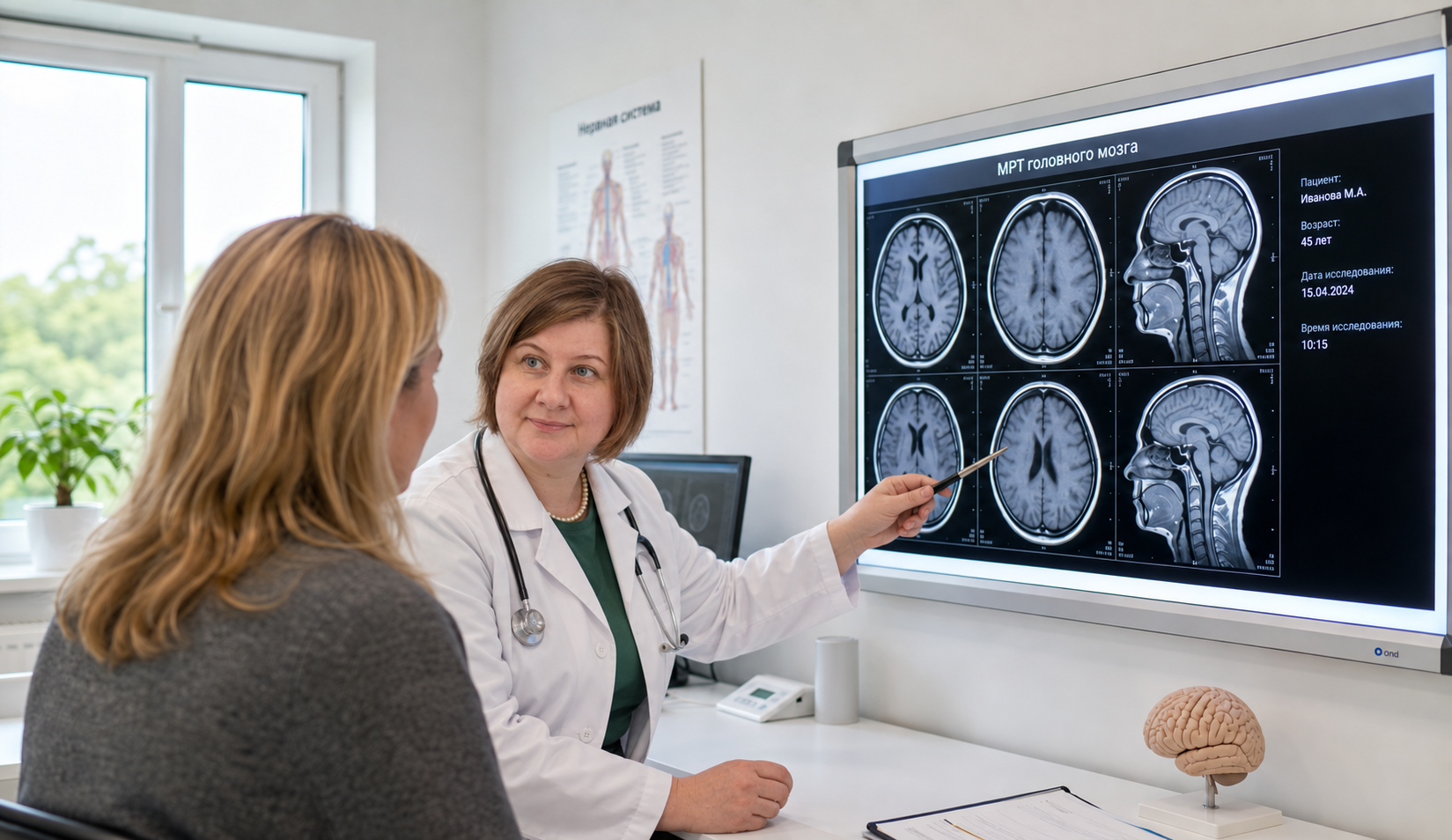
The first stage is a comprehensive examination of the body.
We go beyond simply making a diagnosis. It is crucial for us to understand how all body systems function, evaluate metabolic processes, inflammatory activity, immune status, gut and mitochondrial health, vitamin and trace element deficiencies, as well as other indicators that may influence the development of the disease.
It is high-quality diagnostics that forms the foundation of effective treatment.
What is included in the primary diagnostic list?
- Complete blood count (CBC)
- Biochemical blood test (total protein, lactate, bilirubin, urea, creatinine, ALT, AST, eosinophil cationic protein, NSE, S100, total IgE, TNF-alpha, C-reactive protein, rheumatoid factor)
- Urine organic acids — 60 parameters (urine)
- Amino acids — 48 parameters (blood)
- ASO (Antistreptolysin O)
- Human Herpesvirus 6 (HHV-6), quantitative
*Additional data may be required; the clinic administrators will provide you with more precise information.
Comprehensive diagnostics
The first stage is a comprehensive examination of the body.
We go beyond simply making a diagnosis. It is crucial for us to understand how all body systems function, evaluate metabolic processes, inflammatory activity, immune status, gut and mitochondrial health, vitamin and trace element deficiencies, as well as other indicators that may influence the development of the disease.
It is high-quality diagnostics that forms the foundation of effective treatment.
What is included in the primary diagnostic list?
- Complete blood count (CBC)
- Biochemical blood test (total protein, lactate, bilirubin, urea, creatinine, ALT, AST, eosinophil cationic protein, NSE, S100, total IgE, TNF-alpha, C-reactive protein, rheumatoid factor)
- Urine organic acids — 60 parameters (urine)
- Amino acids — 48 parameters (blood)
- ASO (Antistreptolysin O)
- Human Herpesvirus 6 (HHV-6), quantitative
*Additional data may be required; the clinic administrators will provide you with more precise information.
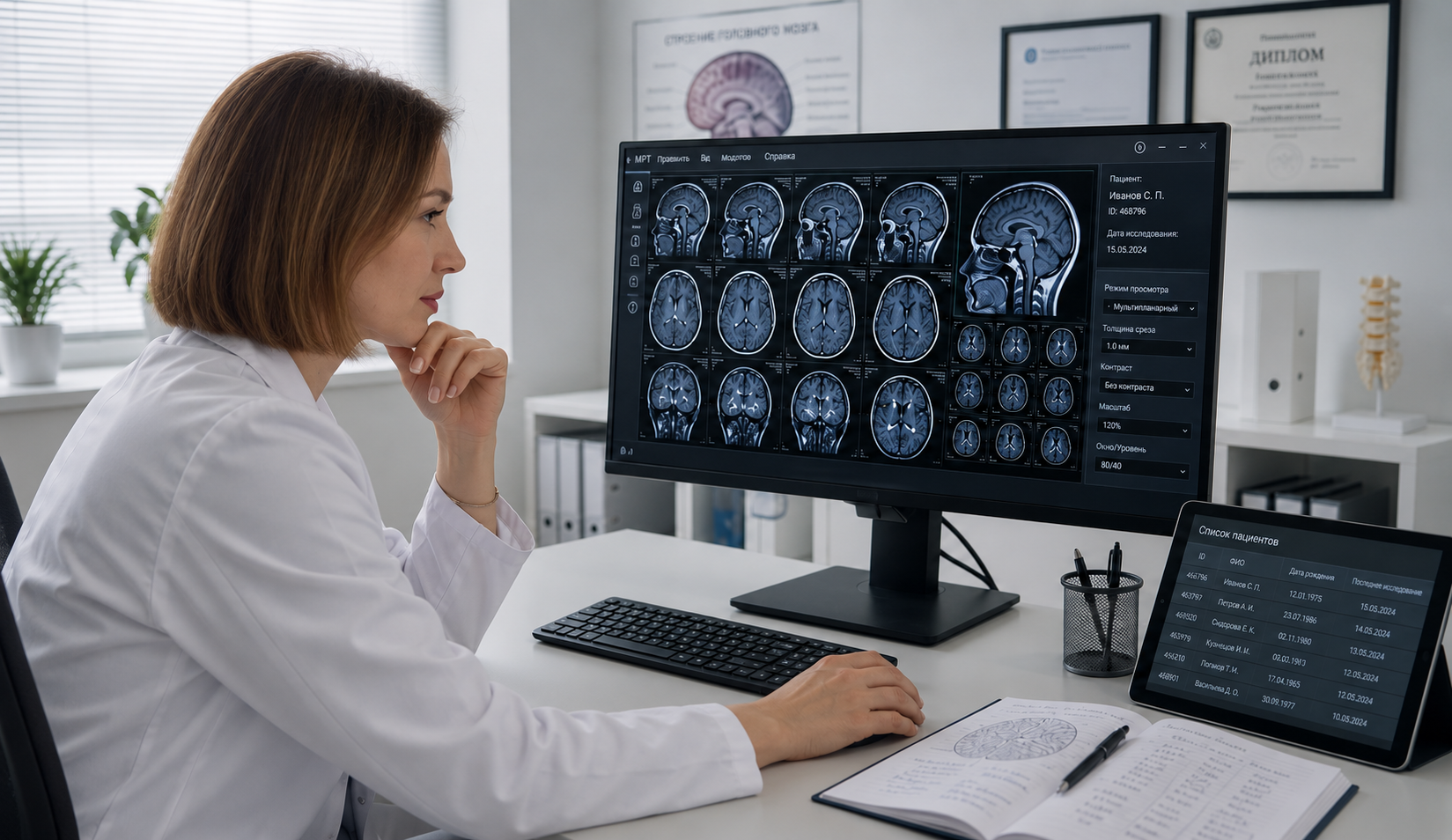
The exact same diagnosis can have completely different causes. Our task is to find the specific mechanism that led to the development of the illness in your particular case.
We analyze the examination results, medical history, and clinical picture to determine the root causes of the disease: chronic inflammation, metabolic disorders, mitochondrial dysfunction, toxic load, immune disorders, deficiency states, and other factors.
By addressing the cause, rather than just the symptoms, we create the foundation for sustainable results.
Identifying the cause of the disease
The exact same diagnosis can have completely different causes. Our task is to find the specific mechanism that led to the development of the illness in your particular case.
We analyze the examination results, medical history, and clinical picture to determine the root causes of the disease: chronic inflammation, metabolic disorders, mitochondrial dysfunction, toxic load, immune disorders, deficiency states, and other factors.
By addressing the cause, rather than just the symptoms, we create the foundation for sustainable results.

After establishing a complete clinical picture, the doctor develops a personalized treatment program.
Depending on the patient's condition, it may include:
- infusion therapy;
- dietary adjustments;
- ketogenic and metabolic programs;
- mitochondrial support;
- gut restoration;
- anti-inflammatory therapy;
- cellular technologies;
- nutritional support and other modern methods.
Each plan is created individually, taking into account age, diagnosis, examination results, and treatment goals.
Individualized treatment plan
After establishing a complete clinical picture, the doctor develops a personalized treatment program.
Depending on the patient's condition, it may include:
- infusion therapy;
- dietary adjustments;
- ketogenic and metabolic programs;
- mitochondrial support;
- gut restoration;
- anti-inflammatory therapy;
- cellular technologies;
- nutritional support and other modern methods.
Each plan is created individually, taking into account age, diagnosis, examination results, and treatment goals.
Treatment is a process that requires monitoring and timely adjustments.
Our specialists accompany the patient throughout the entire program: they evaluate progress, monitor health indicators, adjust prescriptions, and answer any questions that arise. This approach allows us to adapt the treatment in a timely manner and achieve the best possible results for each patient.
At PlanetaMed, we do not treat an isolated diagnosis — we work with the body as a whole, helping to restore its own resources and regain quality of life.
Support at all stages
Treatment is a process that requires monitoring and timely adjustments.
Our specialists accompany the patient throughout the entire program: they evaluate progress, monitor health indicators, adjust prescriptions, and answer any questions that arise. This approach allows us to adapt the treatment in a timely manner and achieve the best possible results for each patient.
At PlanetaMed, we do not treat an isolated diagnosis — we work with the body as a whole, helping to restore its own resources and regain quality of life.