Autism in adults
Adults with autism: is it too late for treatment?
Many people believe that medical help is only needed for children, and that after reaching adulthood, the diagnosis becomes a life sentence. But we believe it is never too late to improve a person's life.
Unfortunately, miracles do not happen, and as they age, individuals with severe autism do not "outgrow" their illness if it was not treated properly, but only "managed," depleting an already low resource base. People with this diagnosis continue to drag out an extremely difficult existence, trapped in a vicious cycle of chronic neuroinflammation, severe intoxication, and a hidden pain syndrome that they cannot even express.
An adult patient with untreated ASD is just as incapable of consciously pointing a finger at a dog or saying the simplest word, "mom."
Faced with this wall, some parents continue to fight and look for a way out, while others give up and place their grown child in a psychoneurological residential facility. However, it is important to understand: without competent biological treatment, you will not make any progress.
The nature of autism in adults is the same as in children.
Official diagnoses (ASD, high-functioning autism, and other psychiatric codes from the F category) are only needed for disability commissions. In reality, the patient's behavior is completely determined by their disrupted biochemistry. Autism symptoms are the consequence of destroyed neural synapses, genetic breakdowns in neuronal metabolism, and a prolonged immune system failure.
Therefore, in our clinic, we apply a fundamental three-stage approach that works at the cellular level at any age:
- Halting neuronal death: here we identify and suppress the inflammatory process in the brain.
- Total detoxification: eliminating toxins that have accumulated in the body over many years.
- Metabolic therapy: at this stage, cellular nutrition is restored.
How is the treatment of an adult patient structured?
Any prescriptions are made strictly after in-depth laboratory diagnostics. We evaluate neuroinflammation markers, immune status, amino acid and vitamin profiles, and the state of the gut microbiota. The clinic administrator will give you a list of all tests when booking a consultation.
The most important aspect is dietary modification. Strict elimination regimens are introduced for the patient (exclusion of gluten, casein, soy, and sugar). In some cases, a transition to a ketogenic diet is indicated. This procedure is carried out in the clinic's inpatient department under strict medical supervision as part of our KETOMIT program.
After the inflammation is relieved, regeneration begins. Since an adult's body is severely exhausted by years of living with autism, we actively use intravenous infusions of antioxidants to enhance the metabolic response.
To awaken nerve cells, we use our unique hardware program REMIT. For patients with complex damage, we recommend stem cell therapy, which provides a powerful regenerative boost.
Are there results in adults?
Yes. Patients who have long passed the age of 18, and sometimes even 30, undergo treatment in our clinic.
They receive treatment and show improvement. Does this happen quickly? No, the process is slow, because decades of illness and bodily exhaustion take their toll. But there is progress, and step by step, we are pulling patients back to a normal state, returning their quality of life, sociability, and removing their pain.
In our clinic, you can undergo a full cycle of immunobiological rehabilitation and take all the necessary tests. To gain a deeper understanding of the nature of your loved one's condition, we recommend studying the original video courses by the head of the clinic, Professor V.O.: "Autism and Epilepsy," "Neurobiology of Inflammation," and "Neurobiochemistry and Immunology of ASD."
How does treatment work at the "PlanetaMed" clinic?
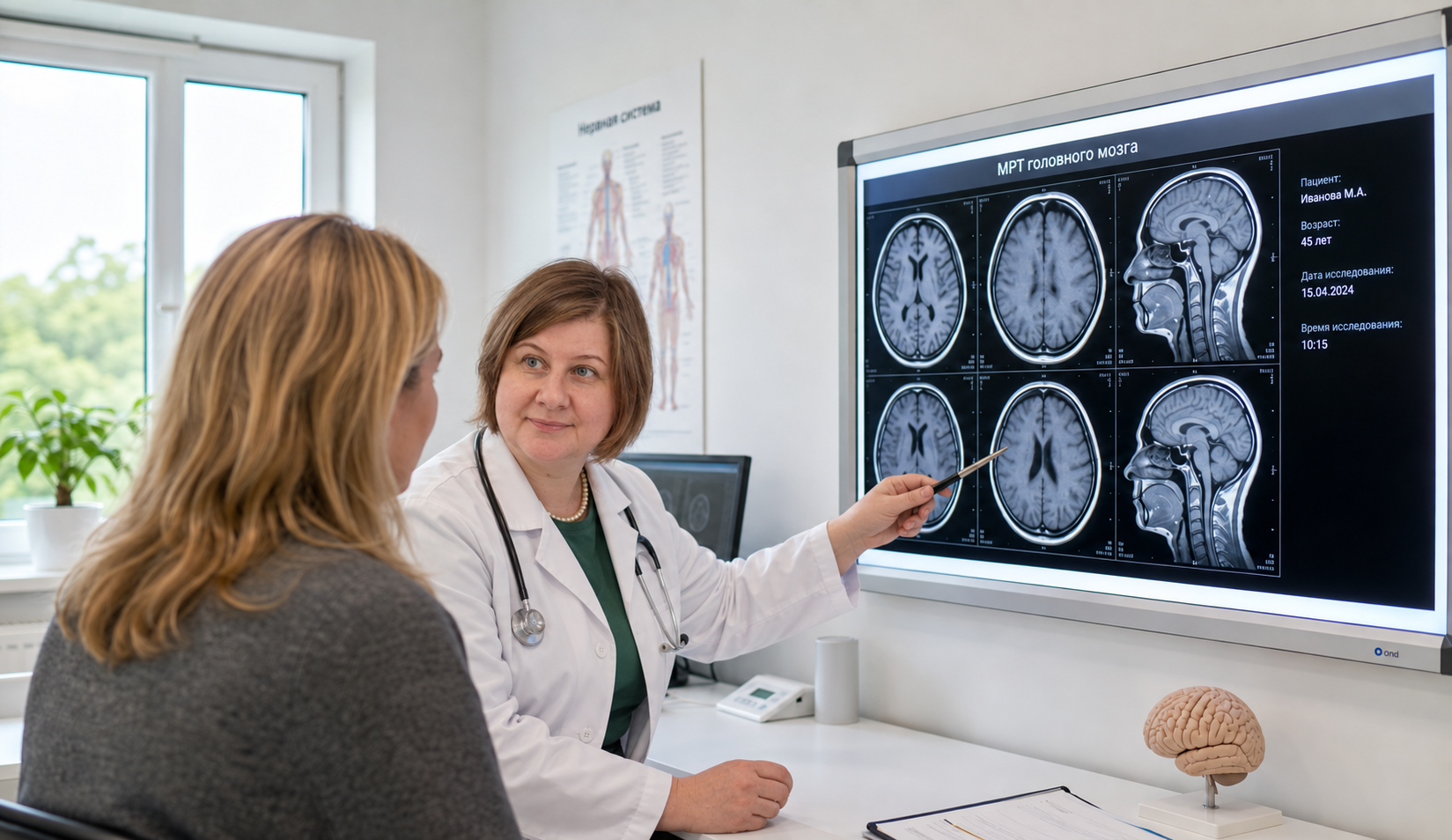
The first stage is a comprehensive examination of the body.
We go beyond simply making a diagnosis. It is crucial for us to understand how all body systems function, evaluate metabolic processes, inflammatory activity, immune status, gut and mitochondrial health, vitamin and trace element deficiencies, as well as other indicators that may influence the development of the disease.
It is high-quality diagnostics that forms the foundation of effective treatment.
What is included in the primary diagnostic list?
- Complete blood count (CBC)
- Biochemical blood test (total protein, lactate, bilirubin, urea, creatinine, ALT, AST, eosinophil cationic protein, NSE, S100, total IgE, TNF-alpha, C-reactive protein, rheumatoid factor)
- Urine organic acids — 60 parameters (urine)
- Amino acids — 48 parameters (blood)
- ASO (Antistreptolysin O)
- Human Herpesvirus 6 (HHV-6), quantitative
*Additional data may be required; the clinic administrators will provide you with more precise information.
Comprehensive diagnostics
The first stage is a comprehensive examination of the body.
We go beyond simply making a diagnosis. It is crucial for us to understand how all body systems function, evaluate metabolic processes, inflammatory activity, immune status, gut and mitochondrial health, vitamin and trace element deficiencies, as well as other indicators that may influence the development of the disease.
It is high-quality diagnostics that forms the foundation of effective treatment.
What is included in the primary diagnostic list?
- Complete blood count (CBC)
- Biochemical blood test (total protein, lactate, bilirubin, urea, creatinine, ALT, AST, eosinophil cationic protein, NSE, S100, total IgE, TNF-alpha, C-reactive protein, rheumatoid factor)
- Urine organic acids — 60 parameters (urine)
- Amino acids — 48 parameters (blood)
- ASO (Antistreptolysin O)
- Human Herpesvirus 6 (HHV-6), quantitative
*Additional data may be required; the clinic administrators will provide you with more precise information.
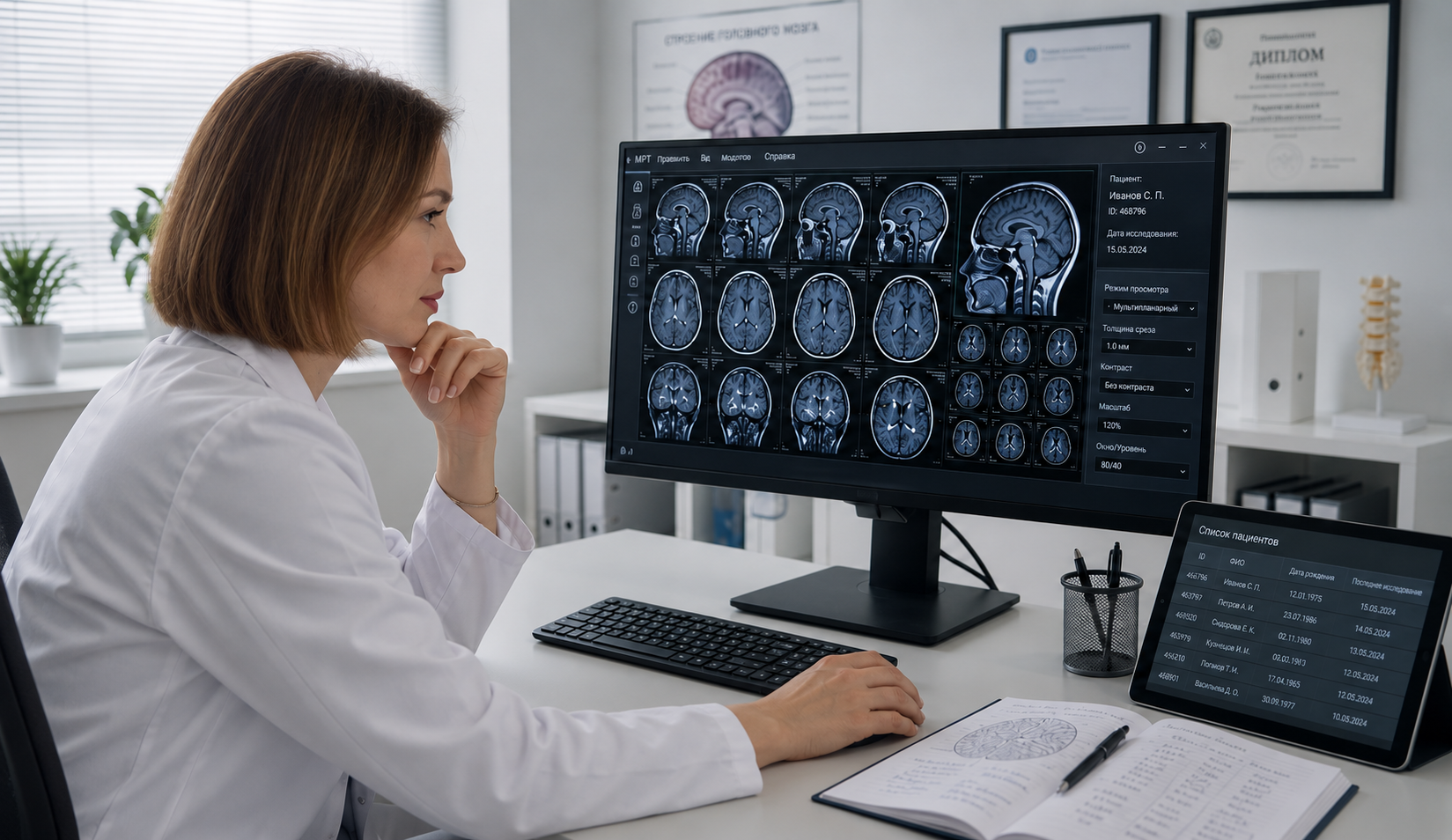
The exact same diagnosis can have completely different causes. Our task is to find the specific mechanism that led to the development of the illness in your particular case.
We analyze the examination results, medical history, and clinical picture to determine the root causes of the disease: chronic inflammation, metabolic disorders, mitochondrial dysfunction, toxic load, immune disorders, deficiency states, and other factors.
By addressing the cause, rather than just the symptoms, we create the foundation for sustainable results.
Identifying the cause of the disease
The exact same diagnosis can have completely different causes. Our task is to find the specific mechanism that led to the development of the illness in your particular case.
We analyze the examination results, medical history, and clinical picture to determine the root causes of the disease: chronic inflammation, metabolic disorders, mitochondrial dysfunction, toxic load, immune disorders, deficiency states, and other factors.
By addressing the cause, rather than just the symptoms, we create the foundation for sustainable results.

After establishing a complete clinical picture, the doctor develops a personalized treatment program.
Depending on the patient's condition, it may include:
- infusion therapy;
- dietary adjustments;
- ketogenic and metabolic programs;
- mitochondrial support;
- gut restoration;
- anti-inflammatory therapy;
- cellular technologies;
- nutritional support and other modern methods.
Each plan is created individually, taking into account age, diagnosis, examination results, and treatment goals.
Individualized treatment plan
After establishing a complete clinical picture, the doctor develops a personalized treatment program.
Depending on the patient's condition, it may include:
- infusion therapy;
- dietary adjustments;
- ketogenic and metabolic programs;
- mitochondrial support;
- gut restoration;
- anti-inflammatory therapy;
- cellular technologies;
- nutritional support and other modern methods.
Each plan is created individually, taking into account age, diagnosis, examination results, and treatment goals.
Treatment is a process that requires monitoring and timely adjustments.
Our specialists accompany the patient throughout the entire program: they evaluate progress, monitor health indicators, adjust prescriptions, and answer any questions that arise. This approach allows us to adapt the treatment in a timely manner and achieve the best possible results for each patient.
At PlanetaMed, we do not treat an isolated diagnosis — we work with the body as a whole, helping to restore its own resources and regain quality of life.
Support at all stages
Treatment is a process that requires monitoring and timely adjustments.
Our specialists accompany the patient throughout the entire program: they evaluate progress, monitor health indicators, adjust prescriptions, and answer any questions that arise. This approach allows us to adapt the treatment in a timely manner and achieve the best possible results for each patient.
At PlanetaMed, we do not treat an isolated diagnosis — we work with the body as a whole, helping to restore its own resources and regain quality of life.
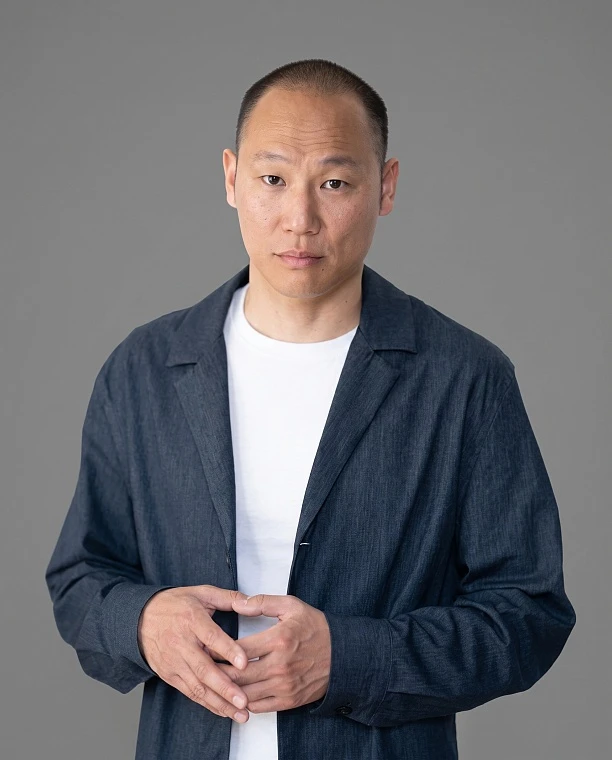
Anton Meliksovich
- Neurologist
- Epileptologist
- Integrative medicine specialist
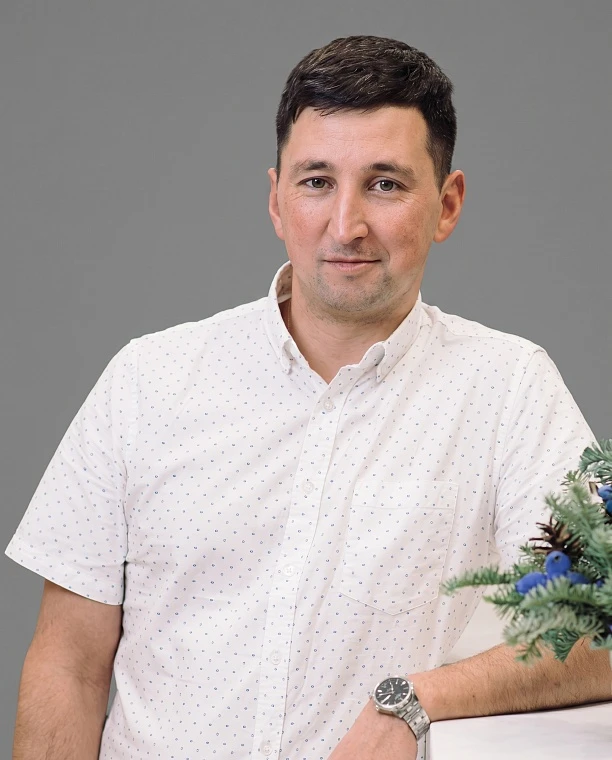
Timur Ruslanovich
- Neurologist
- Epileptologist
- Integrative medicine specialist
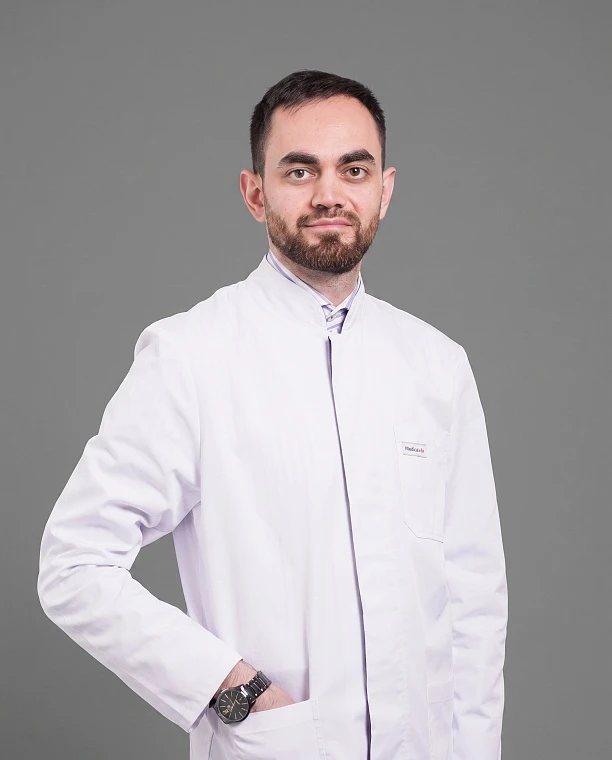
Latif Akifovich
- Neurologist-epileptologist
- Integrative medicine specialist
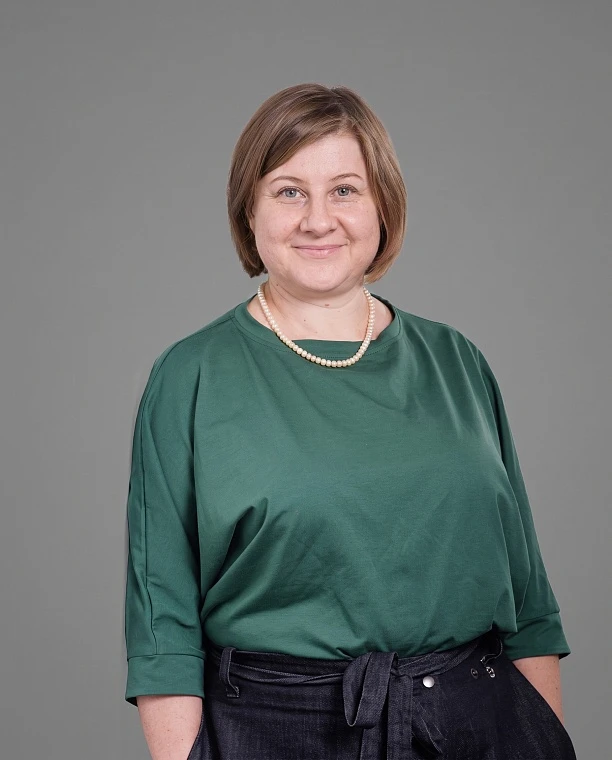
Yulia Vladimirovna
- Neurologist-epileptologist
- Neurologist
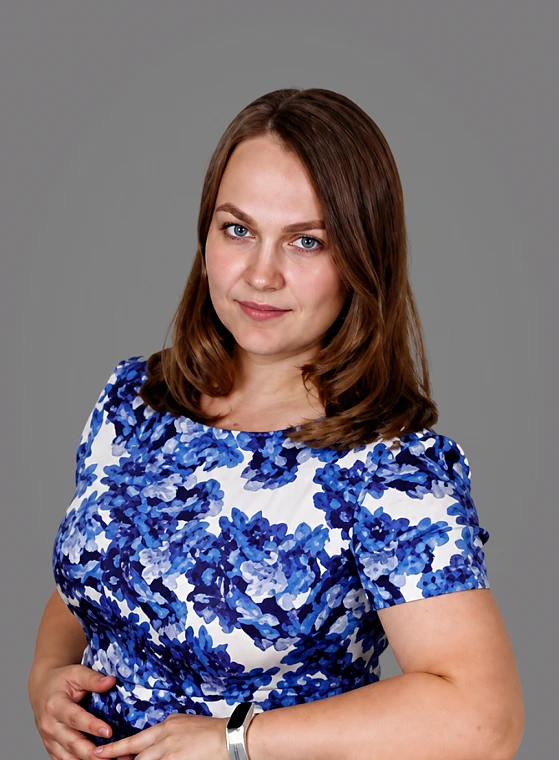
Anna Igorevna
- General Practitioner (Family Medicine)
- Neurologist
- Integrative medicine specialist