Autism in children
This disease, the main manifestation of which is impaired socialization, social contact, learning ability, speech impairment, and other mental functions.
The prevalence of autism is 1 in 50 born children, and in recent years the incidence of autism has been increasing sharply. In healthy parents, a child is born and develops according to age norms until 1-1.5 years, then a regression occurs in communication and speech skills. This type of autism is called regressive; it is identified in 80-90% of children with autism or autism spectrum disorders. The remaining children have congenital disorders of neuron metabolism or consequences of brain damage.
Previously, autism was considered a psychiatric condition, and sometimes it was regarded as a developmental feature. Based on external manifestations (excitability, aggression, attention span, range of play skills, speech, attention span, learning ability, etc.), multiple terms were introduced into practice – early childhood autism, high-functioning autism, autism spectrum disorder (ASD), para-autistic disorder, and there are other names as well. However, for determining the treatment strategy for a child, these descriptions play no role; they can be used exclusively for passing psychological-pedagogical commissions, where psychiatric codes according to the classification in category F are also used.
The regression of previously acquired skills is associated with the destruction of already formed neural synapses and associative pathways. The trigger for this regression may be past infections, vaccinations, or emotional stress. Quite often, after such an immune stress, a child's immunity is impaired, they begin to get sick frequently, develop constipation, skin rashes; infections can cause repeated regressions in development, and overall, despite attempts to rehabilitate the child with the help of pedagogical sessions and exercises with special education teachers, stable and rapid skill acquisition does not occur.
The treatment of autism and ASD in our clinic has 3 stages. The first stage is eliminating the cause of neuron destruction, which as a rule is an inflammatory process complicated by intoxication. The second stage is detoxification, the third is metabolic therapy.
Treatment is prescribed based on the results and under the control of laboratory tests, including assessment of the state of immunity and neuroinflammation, determination of the levels of vitamins, amino acids and their metabolites, the state of the intestinal microbiota, and many other indicators.
An important aspect of treating a child is dietary correction with various elimination regimens – gluten-free, casein-free, sugar-free, soy-free; for some patients, a ketogenic diet is introduced. The introduction of elimination regimens is carried out on an outpatient basis; the introduction of a ketogenic diet is carried out in the clinic under the supervision of doctors (KETOMIT program).
After inflammation is controlled and detoxification is carried out, the child undergoes regenerative therapy using antioxidants and vitamins; some programs are administered through intravenous infusions, which enhances the metabolic and detoxifying effect of the medications.
Metabolic correction is carried out individually, taking into account the activity of enzymes and the genetic characteristics of the child, which is determined in the laboratory.
The clinic has developed unique methods for activating the work of nerve cells – REMIT programs; for some children, the administration of stem cells, which have a powerful regenerative effect, is recommended.
The basis of recovery for a child with autism and ASD is the correction of the biochemical and immunological characteristics of the body, because it is biochemistry that determines the child's behavior; its disturbances lead to impaired brain function, which manifests as mental and emotional disorders.
Our clinic provides a full cycle of immunobiological rehabilitation for a child with autism and ASD; in the clinic's laboratory you can take all necessary tests and undergo REMIT and KETOMIT courses
Parents can take the courses "Autism and Epilepsy", "Neurobiology of Inflammation", "Neurobiochemistry and Immunology of ASD. Etiopathogenesis of Autistic and Autism-Like Disorders." The knowledge gained will help optimize the roadmap for the child's recovery and understand the nuances of the origin of autism spectrum disorders and related conditions.
Results
of our work
3.5 years
5 months
5 months
How does treatment work at the "PlanetaMed" clinic?
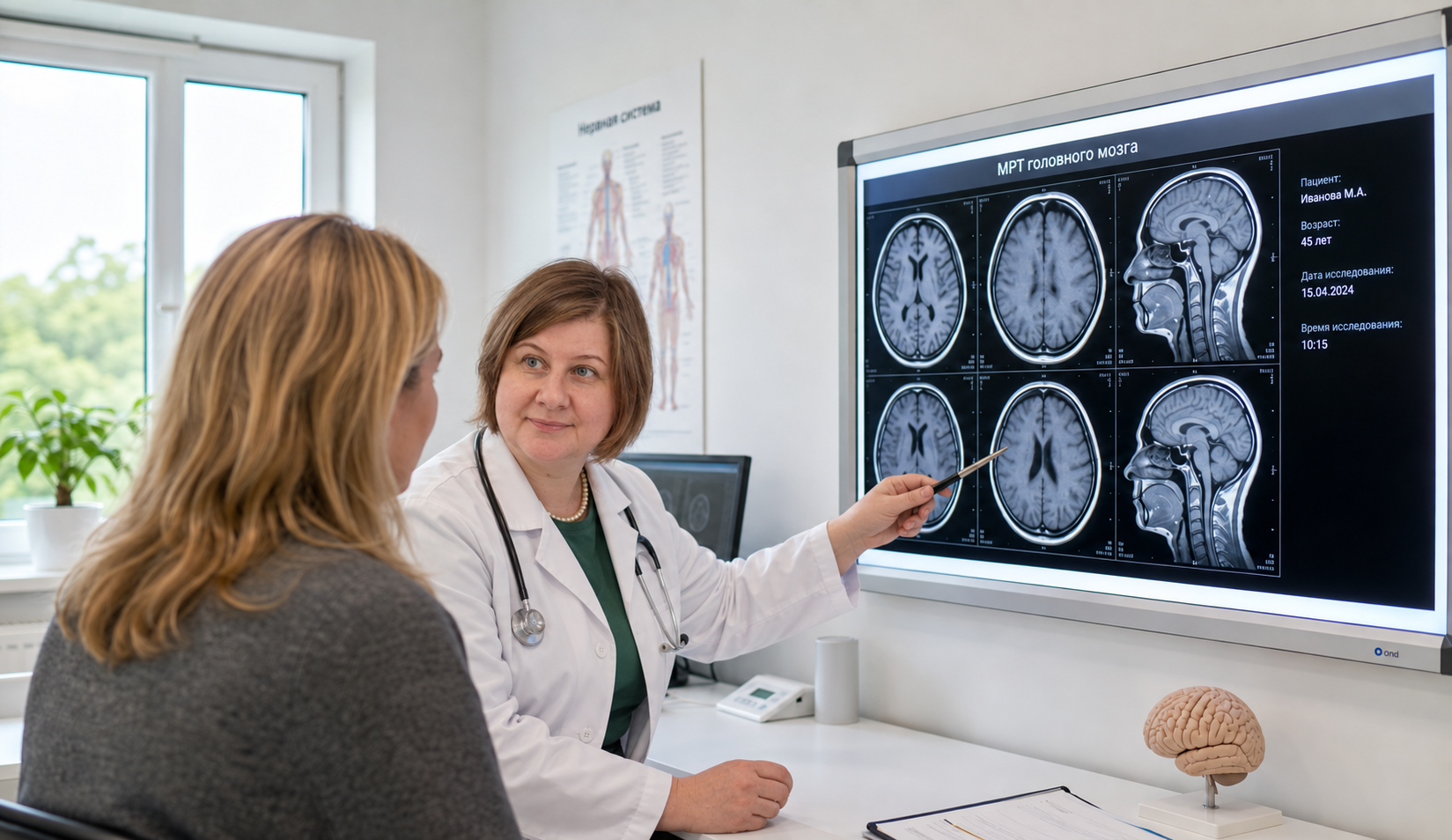
The first stage is a comprehensive examination of the body.
We go beyond simply making a diagnosis. It is crucial for us to understand how all body systems function, evaluate metabolic processes, inflammatory activity, immune status, gut and mitochondrial health, vitamin and trace element deficiencies, as well as other indicators that may influence the development of the disease.
It is high-quality diagnostics that forms the foundation of effective treatment.
What is included in the primary diagnostic list?
- Complete blood count (CBC)
- Biochemical blood test (total protein, lactate, bilirubin, urea, creatinine, ALT, AST, eosinophil cationic protein, NSE, S100, total IgE, TNF-alpha, C-reactive protein, rheumatoid factor)
- Urine organic acids — 60 parameters (urine)
- Amino acids — 48 parameters (blood)
- ASO (Antistreptolysin O)
- Human Herpesvirus 6 (HHV-6), quantitative
*Additional data may be required; the clinic administrators will provide you with more precise information.
Comprehensive diagnostics
The first stage is a comprehensive examination of the body.
We go beyond simply making a diagnosis. It is crucial for us to understand how all body systems function, evaluate metabolic processes, inflammatory activity, immune status, gut and mitochondrial health, vitamin and trace element deficiencies, as well as other indicators that may influence the development of the disease.
It is high-quality diagnostics that forms the foundation of effective treatment.
What is included in the primary diagnostic list?
- Complete blood count (CBC)
- Biochemical blood test (total protein, lactate, bilirubin, urea, creatinine, ALT, AST, eosinophil cationic protein, NSE, S100, total IgE, TNF-alpha, C-reactive protein, rheumatoid factor)
- Urine organic acids — 60 parameters (urine)
- Amino acids — 48 parameters (blood)
- ASO (Antistreptolysin O)
- Human Herpesvirus 6 (HHV-6), quantitative
*Additional data may be required; the clinic administrators will provide you with more precise information.
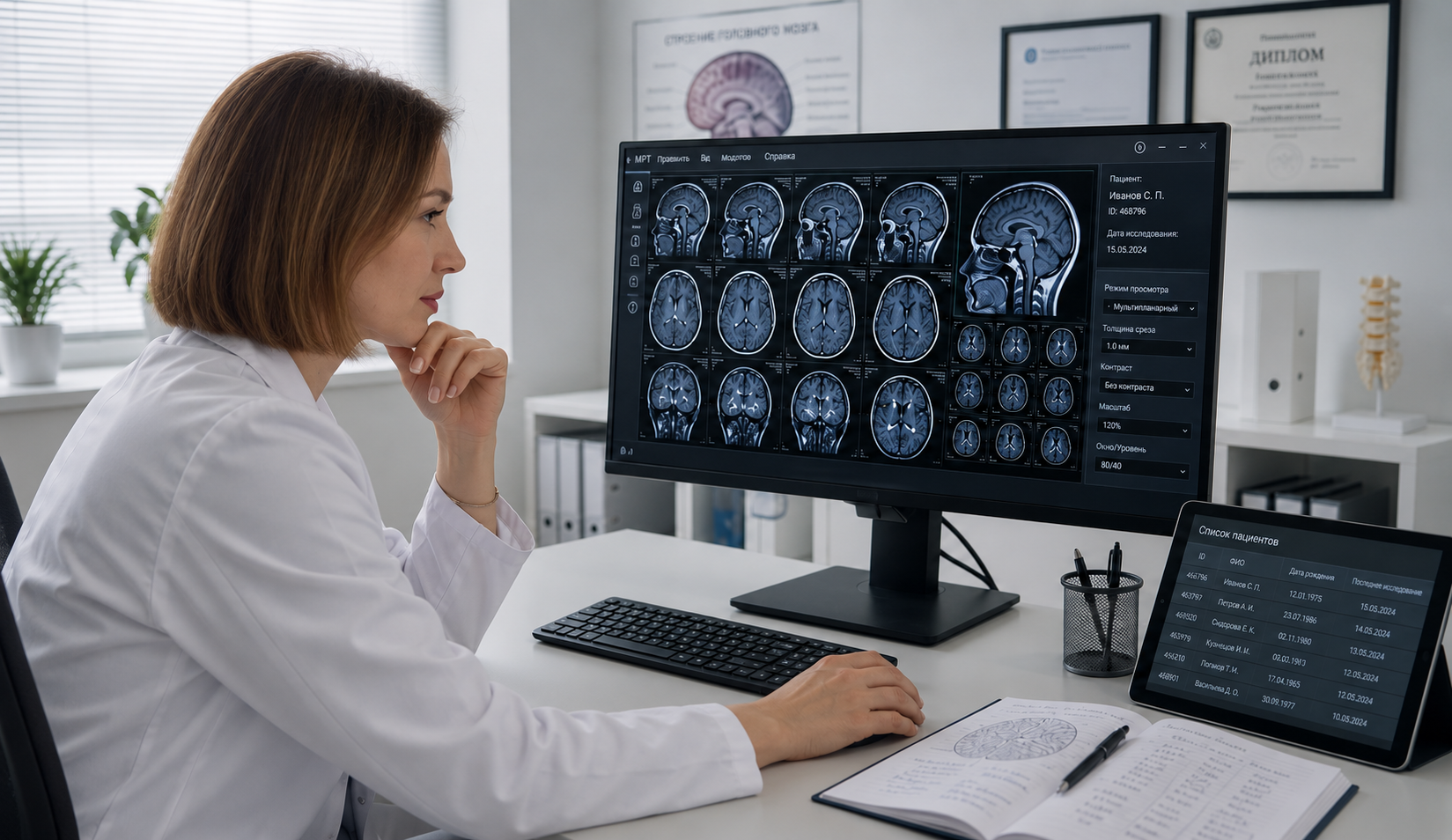
The exact same diagnosis can have completely different causes. Our task is to find the specific mechanism that led to the development of the illness in your particular case.
We analyze the examination results, medical history, and clinical picture to determine the root causes of the disease: chronic inflammation, metabolic disorders, mitochondrial dysfunction, toxic load, immune disorders, deficiency states, and other factors.
By addressing the cause, rather than just the symptoms, we create the foundation for sustainable results.
Identifying the cause of the disease
The exact same diagnosis can have completely different causes. Our task is to find the specific mechanism that led to the development of the illness in your particular case.
We analyze the examination results, medical history, and clinical picture to determine the root causes of the disease: chronic inflammation, metabolic disorders, mitochondrial dysfunction, toxic load, immune disorders, deficiency states, and other factors.
By addressing the cause, rather than just the symptoms, we create the foundation for sustainable results.
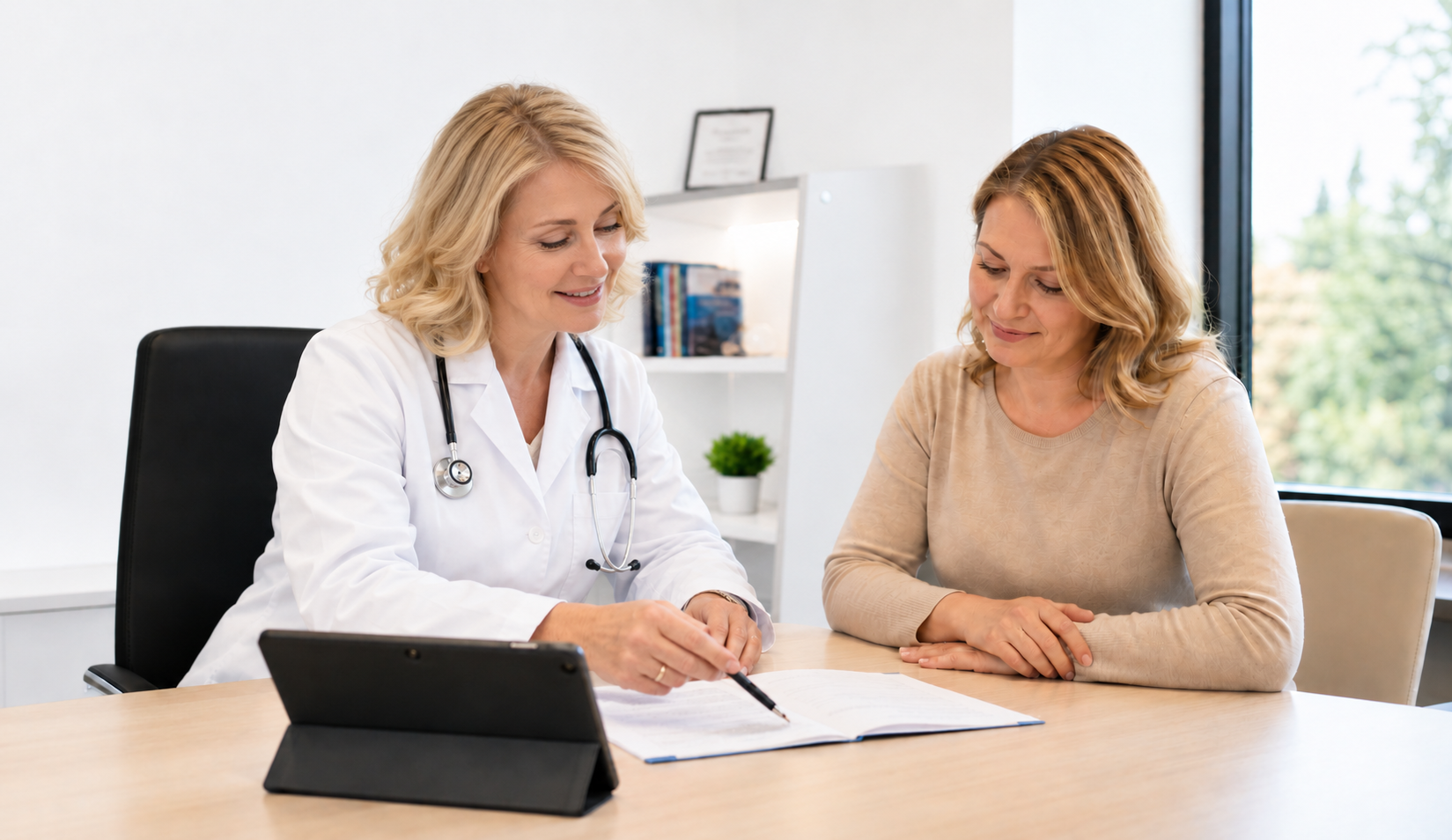
After establishing a complete clinical picture, the doctor develops a personalized treatment program.
Depending on the patient's condition, it may include:
- infusion therapy;
- dietary adjustments;
- ketogenic and metabolic programs;
- mitochondrial support;
- gut restoration;
- anti-inflammatory therapy;
- cellular technologies;
- nutritional support and other modern methods.
Each plan is created individually, taking into account age, diagnosis, examination results, and treatment goals.
Individualized treatment plan
After establishing a complete clinical picture, the doctor develops a personalized treatment program.
Depending on the patient's condition, it may include:
- infusion therapy;
- dietary adjustments;
- ketogenic and metabolic programs;
- mitochondrial support;
- gut restoration;
- anti-inflammatory therapy;
- cellular technologies;
- nutritional support and other modern methods.
Each plan is created individually, taking into account age, diagnosis, examination results, and treatment goals.
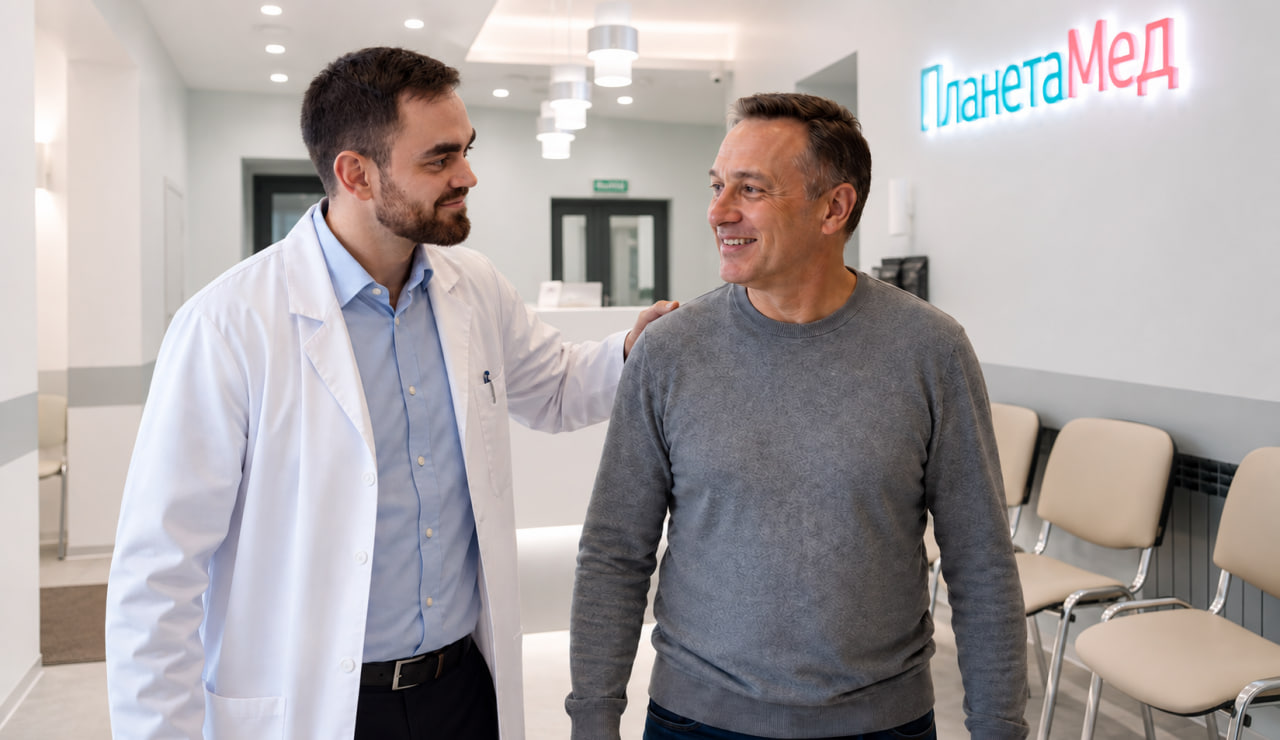
Treatment is a process that requires monitoring and timely adjustments.
Our specialists accompany the patient throughout the entire program: they evaluate progress, monitor health indicators, adjust prescriptions, and answer any questions that arise. This approach allows us to adapt the treatment in a timely manner and achieve the best possible results for each patient.
At PlanetaMed, we do not treat an isolated diagnosis — we work with the body as a whole, helping to restore its own resources and regain quality of life.
Support at all stages
Treatment is a process that requires monitoring and timely adjustments.
Our specialists accompany the patient throughout the entire program: they evaluate progress, monitor health indicators, adjust prescriptions, and answer any questions that arise. This approach allows us to adapt the treatment in a timely manner and achieve the best possible results for each patient.
At PlanetaMed, we do not treat an isolated diagnosis — we work with the body as a whole, helping to restore its own resources and regain quality of life.
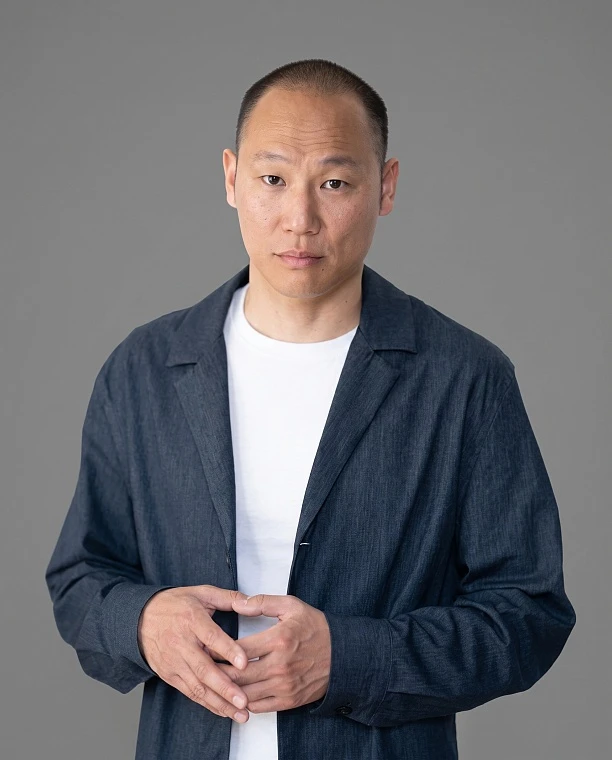
Anton Meliksovich
- Neurologist
- Epileptologist
- Integrative medicine specialist
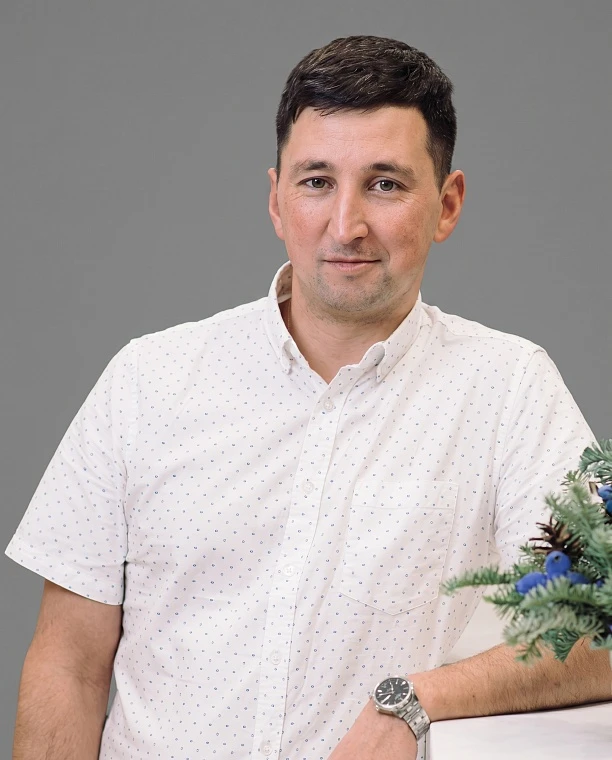
Timur Ruslanovich
- Neurologist
- Epileptologist
- Integrative medicine specialist
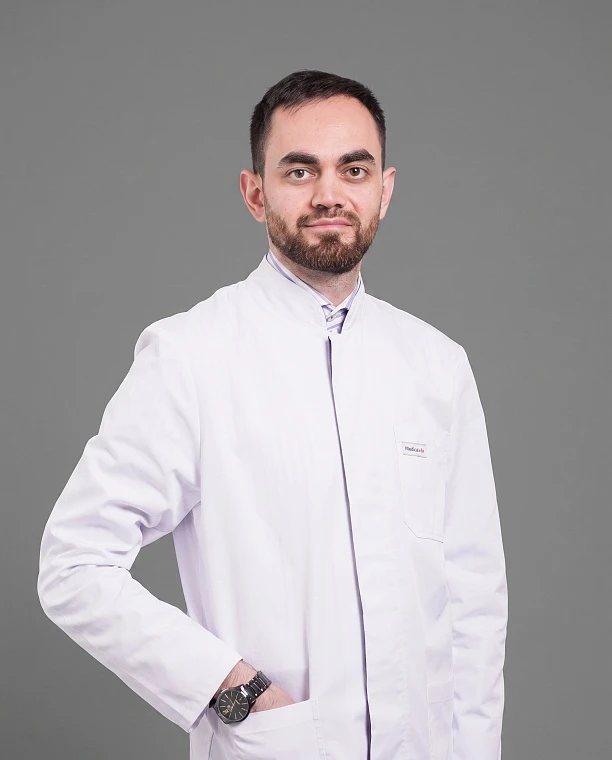
Latif Akifovich
- Neurologist-epileptologist
- Integrative medicine specialist
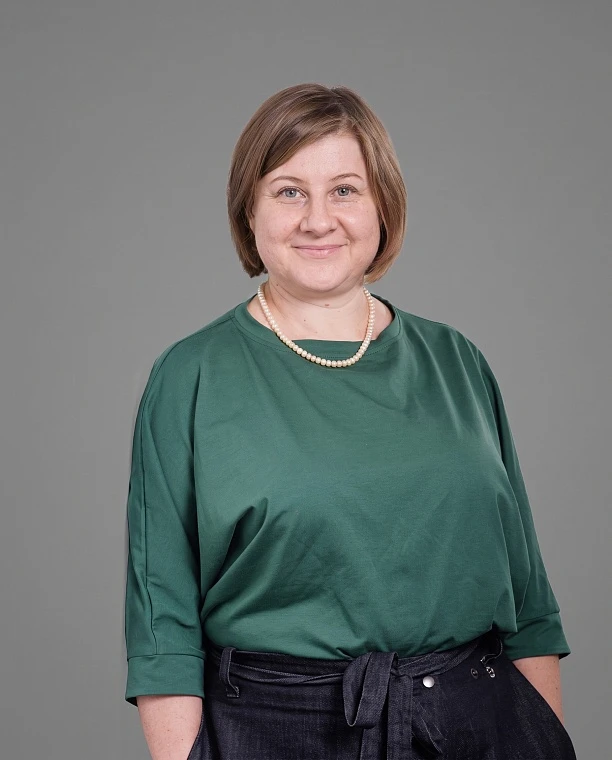
Yulia Vladimirovna
- Neurologist-epileptologist
- Neurologist
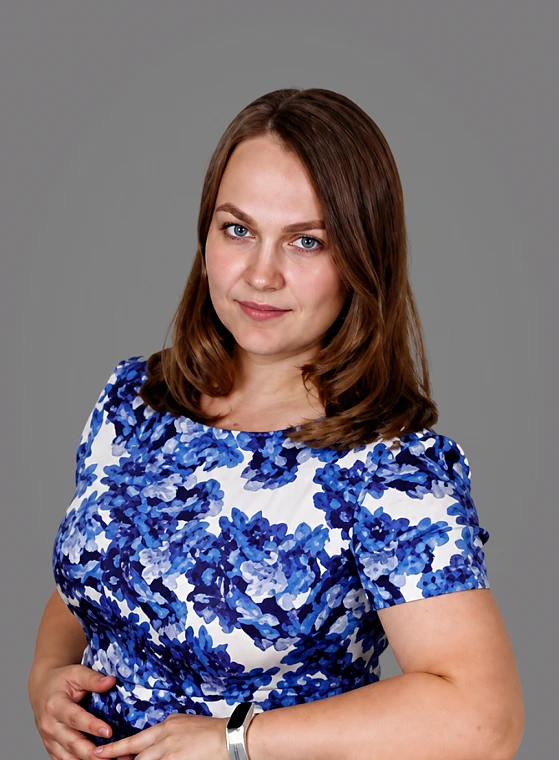
Anna Igorevna
- General Practitioner (Family Medicine)
- Neurologist
- Integrative medicine specialist