Alzheimer's disease
Dementia is a progressive brain disease in the elderly, manifested by a gradual decline in cognitive functions, memory, and a reduced ability for self-care.
The first manifestations of incipient dementia are a decline in memory for recent events; a person begins to forget what they did or were about to do in the near future, sometimes replacing recently occurring events with their own fantasies, and starts accusing loved ones of stealing money or certain items. At the same time, memory for events that occurred long ago is preserved. For diagnosis, this situation becomes quite complex, since a person speaks very confidently about events that occurred several years or decades ago, and this is confirmed by real facts, while recent events cannot be verified.
Physical activity gradually decreases, memory declines, a person quickly forgets what they were told or what they recently read; later, spatial orientation is impaired, the patient finds it difficult to find their familiar house or apartment, they stop recognizing close relatives, brothers, sisters, children, and confuse their names. Leaving the patient alone becomes dangerous; they may not turn off the stove, the water tap, or the electricity, which could cause a fire or a flood. Simple mathematical exercises become practically impossible, even drawing a clock face with the correct time becomes a problem.
Over time, skills of cleanliness are lost, and control over pelvic functions is lost. The patient often becomes stubborn and aggressive.
Often, the appearance of such symptoms is attributed to age, and such conditions are called "senile," but dementia can also begin at pre-retirement age, when one cannot speak of old age.
For a long time, it was believed that people in intellectual professions were less at risk of developing dementia, but this rule has not been confirmed. It was also believed that solving crossword puzzles or memorizing poems could stop developing dementia; unfortunately, this also did not meet expectations.
Etiological factors of dementia development for a long time were considered to be age-related vascular changes, cerebral atherosclerosis, associated neuronal ischemia, and metabolic disorders in nerve cells. Accordingly, vascular and nootropic drugs, vitamin complexes were used, but as practice has shown, these treatment methods do not help slow down the progression of the disease.
Other treatment methods included the use of neurotransmitter drugs, and in cases of excessive overexcitation, psychotropic drugs were prescribed. This therapy is symptomatic and does not stop the progressive course of the disease.
The rate of progression varies among different patients; sometimes the destruction of neural connections and associative pathways occurs within a few months, sometimes degeneration stretches over years.
Often, the onset of dementia occurs after a cold, emotional stress, or a surgical procedure. Often, a triggering factor cannot be identified.
Currently, dementia is considered as an active inflammatory process that develops in a patient against the background of age-related decline in hormone levels and immunity.
It is understandable that with progressive neuronal destruction, one can engage in cognitive exercises, dancing, and walks in the fresh air, but it is somewhat naive to expect the body to stabilize the inflammatory process with reduced resources.
In our clinic, the treatment of patients with dementia has several directions. The basis of treatment is anti-inflammatory therapy; protocols are prescribed based on laboratory test results.
Special attention is paid to diet correction, excluding foods that provoke dysbiosis and intestinal inflammation. In some patients, it is necessary to introduce a ketogenic diet, which is done at the clinic as part of the KETOMIT program.
Hormone replacement and metabolic therapy are prescribed based on the results of tests for hormonal profile, vitamins, and trace elements.
And only at this stage can metabolic drugs with nootropic effects be added.
An effective way to support neurometabolism is hypoxic therapy. Our clinic offers the possibility of renting a device for interval hypoxic-hyperoxic training at home.
Requests for renting the device can be left with the organizer.
When the active inflammatory process is controlled and the hormonal background is normalized, it is advisable to conduct the REMIT program; such programs lasting 12 days should be carried out 2–3 times a year.
More detailed information on the treatment of Alzheimer's disease can be obtained by listening to the lecture at https://planetamed.ru/lektsiya-8-integrativnye-podkhody-v-lechenii-bolezni-altsgeymera/
How does treatment work at the "PlanetaMed" clinic?
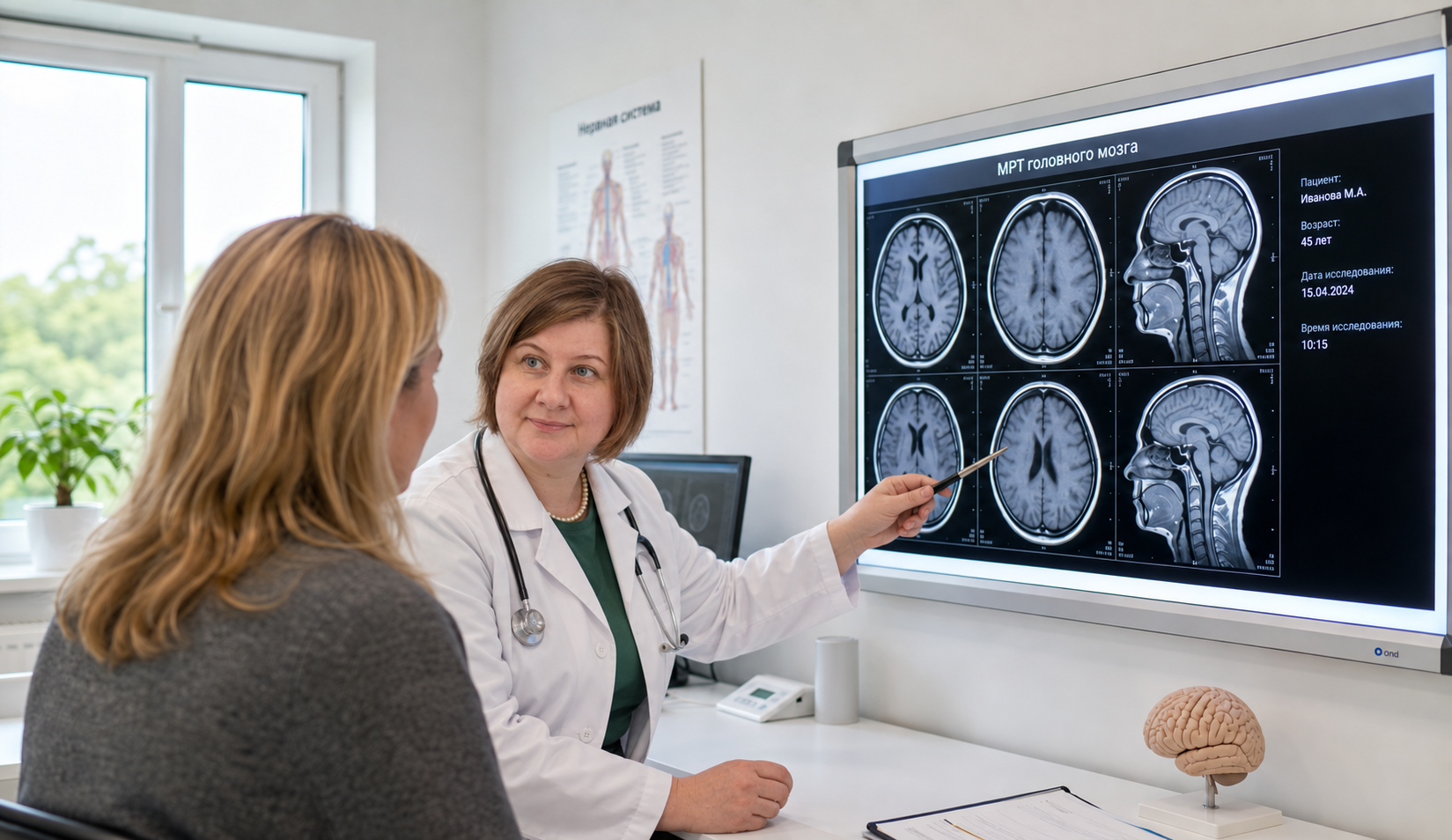
The first stage is a comprehensive examination of the body.
We go beyond simply making a diagnosis. It is crucial for us to understand how all body systems function, evaluate metabolic processes, inflammatory activity, immune status, gut and mitochondrial health, vitamin and trace element deficiencies, as well as other indicators that may influence the development of the disease.
It is high-quality diagnostics that forms the foundation of effective treatment.
What is included in the primary diagnostic list?
- Complete blood count (CBC)
- Biochemical blood test (total protein, lactate, bilirubin, urea, creatinine, ALT, AST, eosinophil cationic protein, NSE, S100, total IgE, TNF-alpha, C-reactive protein, rheumatoid factor)
- Urine organic acids — 60 parameters (urine)
- Amino acids — 48 parameters (blood)
- ASO (Antistreptolysin O)
- Human Herpesvirus 6 (HHV-6), quantitative
*Additional data may be required; the clinic administrators will provide you with more precise information.
Comprehensive diagnostics
The first stage is a comprehensive examination of the body.
We go beyond simply making a diagnosis. It is crucial for us to understand how all body systems function, evaluate metabolic processes, inflammatory activity, immune status, gut and mitochondrial health, vitamin and trace element deficiencies, as well as other indicators that may influence the development of the disease.
It is high-quality diagnostics that forms the foundation of effective treatment.
What is included in the primary diagnostic list?
- Complete blood count (CBC)
- Biochemical blood test (total protein, lactate, bilirubin, urea, creatinine, ALT, AST, eosinophil cationic protein, NSE, S100, total IgE, TNF-alpha, C-reactive protein, rheumatoid factor)
- Urine organic acids — 60 parameters (urine)
- Amino acids — 48 parameters (blood)
- ASO (Antistreptolysin O)
- Human Herpesvirus 6 (HHV-6), quantitative
*Additional data may be required; the clinic administrators will provide you with more precise information.
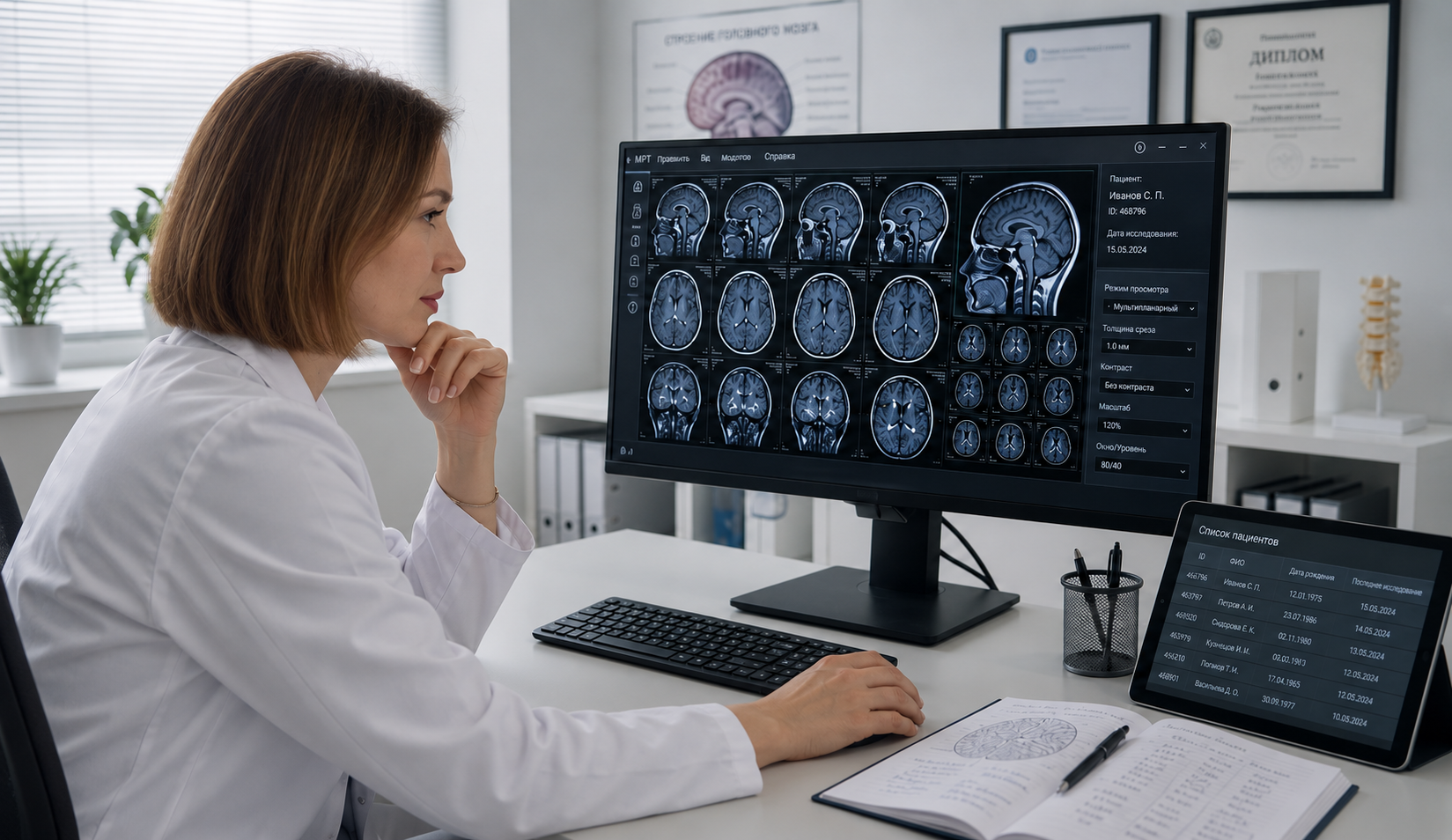
The exact same diagnosis can have completely different causes. Our task is to find the specific mechanism that led to the development of the illness in your particular case.
We analyze the examination results, medical history, and clinical picture to determine the root causes of the disease: chronic inflammation, metabolic disorders, mitochondrial dysfunction, toxic load, immune disorders, deficiency states, and other factors.
By addressing the cause, rather than just the symptoms, we create the foundation for sustainable results.
Identifying the cause of the disease
The exact same diagnosis can have completely different causes. Our task is to find the specific mechanism that led to the development of the illness in your particular case.
We analyze the examination results, medical history, and clinical picture to determine the root causes of the disease: chronic inflammation, metabolic disorders, mitochondrial dysfunction, toxic load, immune disorders, deficiency states, and other factors.
By addressing the cause, rather than just the symptoms, we create the foundation for sustainable results.
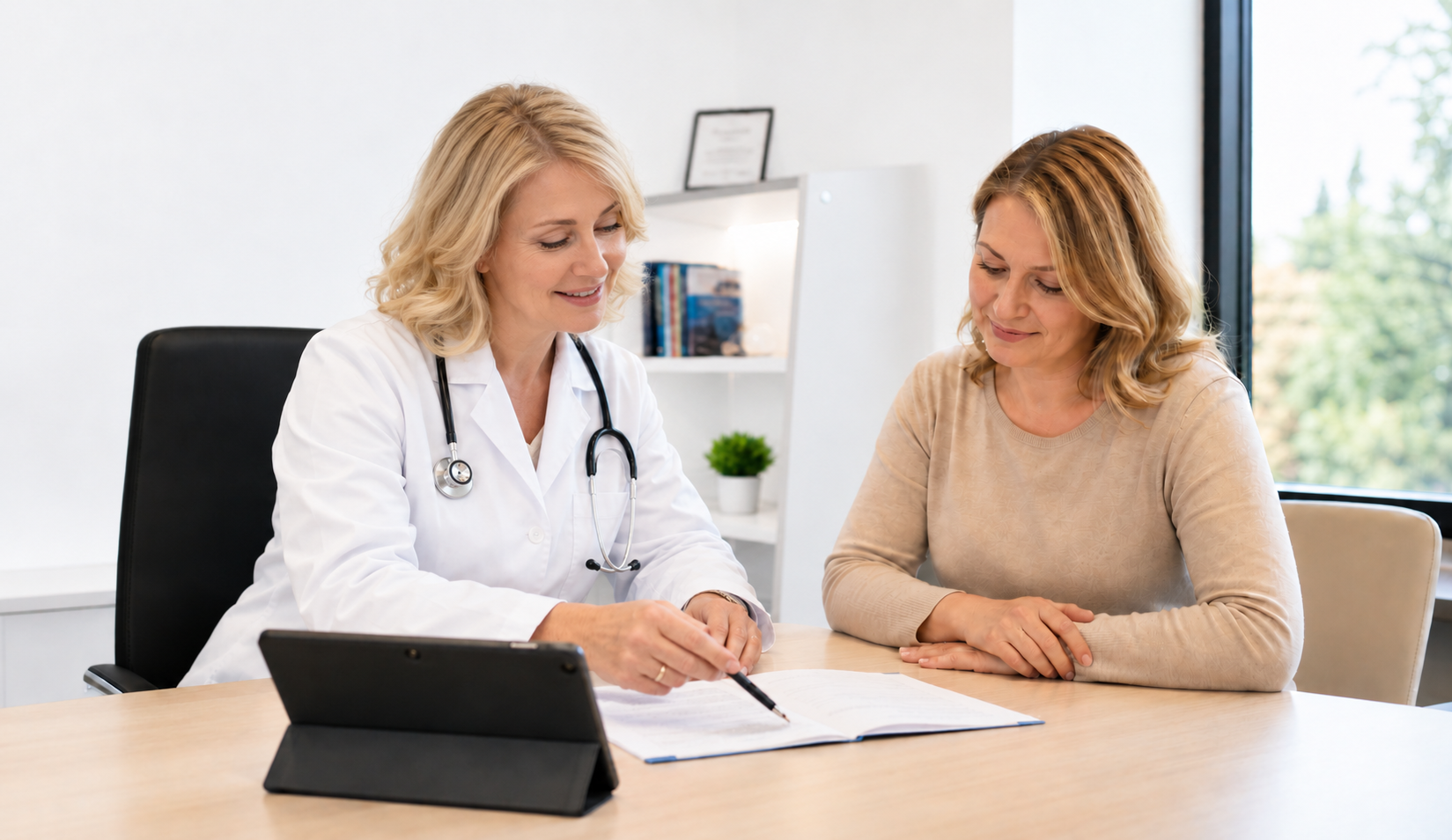
After establishing a complete clinical picture, the doctor develops a personalized treatment program.
Depending on the patient's condition, it may include:
- infusion therapy;
- dietary adjustments;
- ketogenic and metabolic programs;
- mitochondrial support;
- gut restoration;
- anti-inflammatory therapy;
- cellular technologies;
- nutritional support and other modern methods.
Each plan is created individually, taking into account age, diagnosis, examination results, and treatment goals.
Individualized treatment plan
After establishing a complete clinical picture, the doctor develops a personalized treatment program.
Depending on the patient's condition, it may include:
- infusion therapy;
- dietary adjustments;
- ketogenic and metabolic programs;
- mitochondrial support;
- gut restoration;
- anti-inflammatory therapy;
- cellular technologies;
- nutritional support and other modern methods.
Each plan is created individually, taking into account age, diagnosis, examination results, and treatment goals.
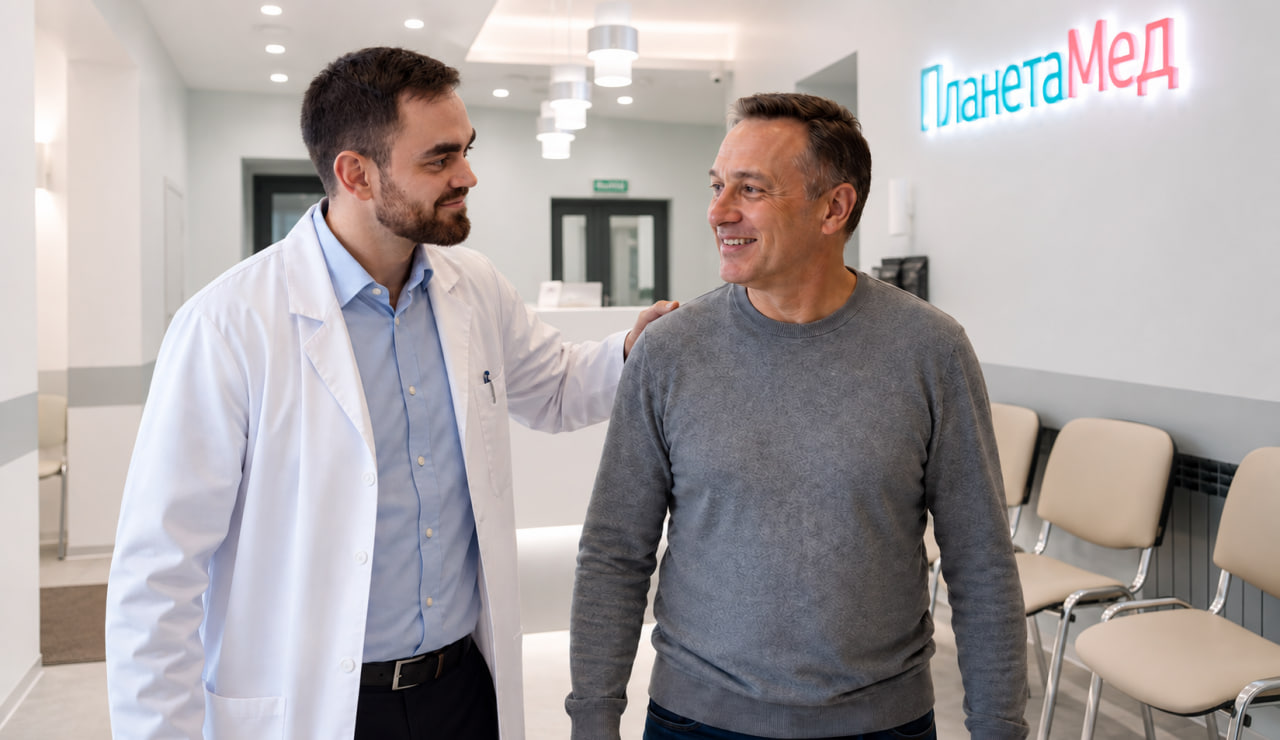
Treatment is a process that requires monitoring and timely adjustments.
Our specialists accompany the patient throughout the entire program: they evaluate progress, monitor health indicators, adjust prescriptions, and answer any questions that arise. This approach allows us to adapt the treatment in a timely manner and achieve the best possible results for each patient.
At PlanetaMed, we do not treat an isolated diagnosis — we work with the body as a whole, helping to restore its own resources and regain quality of life.
Support at all stages
Treatment is a process that requires monitoring and timely adjustments.
Our specialists accompany the patient throughout the entire program: they evaluate progress, monitor health indicators, adjust prescriptions, and answer any questions that arise. This approach allows us to adapt the treatment in a timely manner and achieve the best possible results for each patient.
At PlanetaMed, we do not treat an isolated diagnosis — we work with the body as a whole, helping to restore its own resources and regain quality of life.
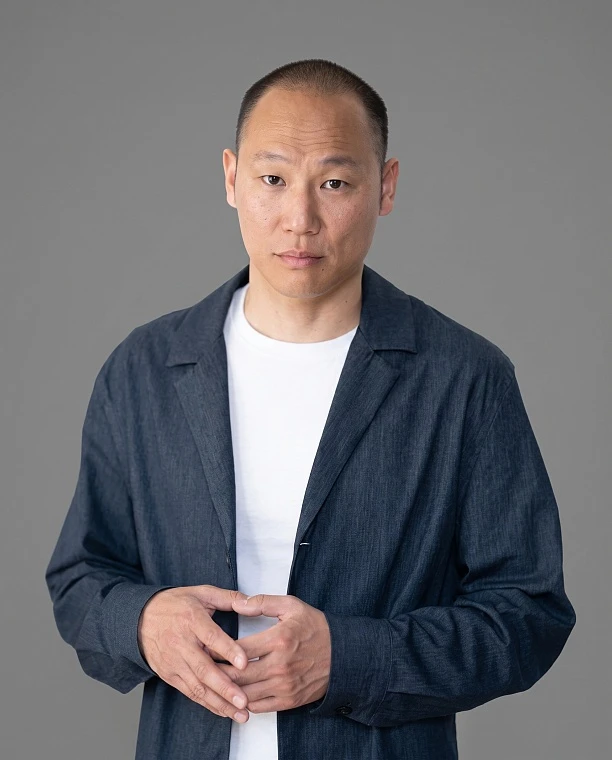
Anton Meliksovich
- Neurologist
- Epileptologist
- Integrative medicine specialist
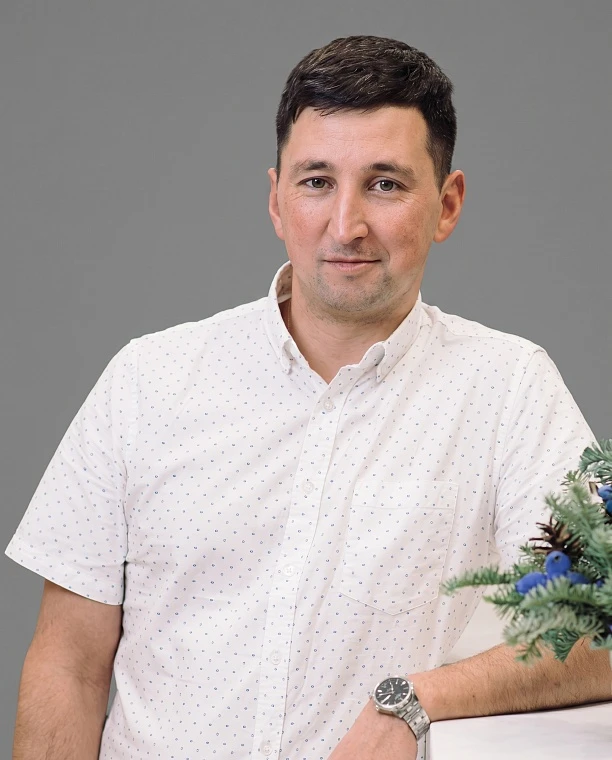
Timur Ruslanovich
- Neurologist
- Epileptologist
- Integrative medicine specialist
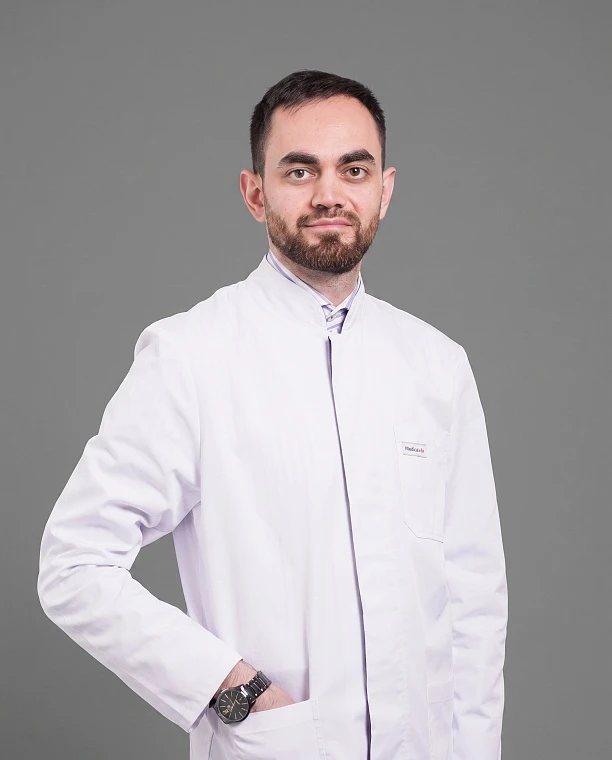
Latif Akifovich
- Neurologist-epileptologist
- Integrative medicine specialist
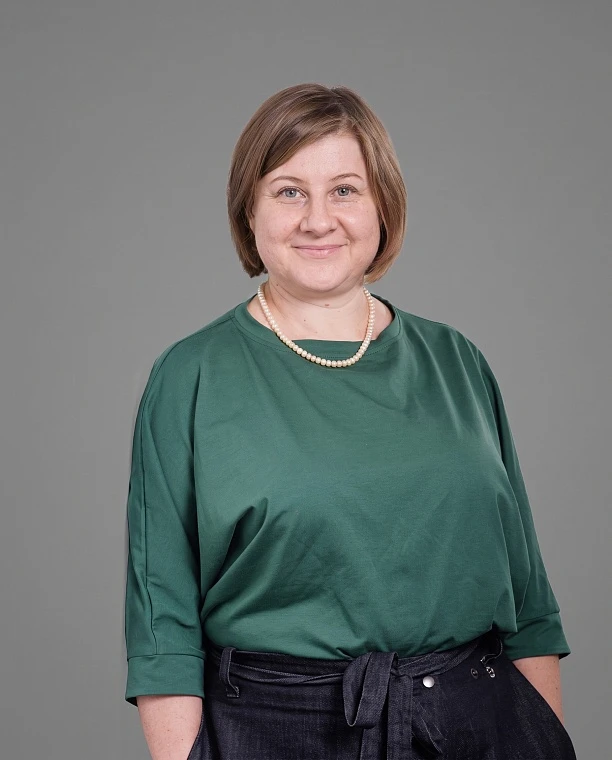
Yulia Vladimirovna
- Neurologist-epileptologist
- Neurologist
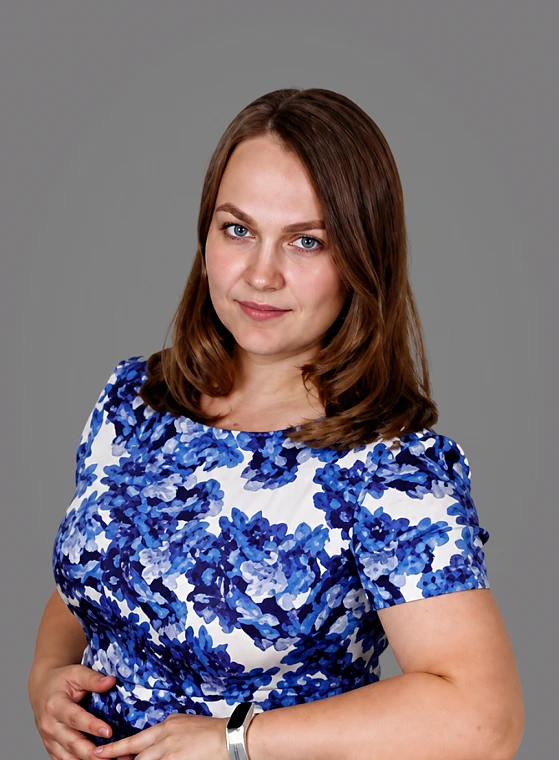
Anna Igorevna
- General Practitioner (Family Medicine)
- Neurologist
- Integrative medicine specialist