Parkinson's disease (PD)
PD is a progressive disease of the nervous system in which, due to a decrease in dopamine synthesis in the thalamus of the brain, neurons become overexcited.
Clinically, PD manifests as tremor in one hand or both hands, increasing muscle stiffness, reduced speed and amplitude of movements in the hands, steps become small, sometimes the patient is "thrown" forward while walking, posture is impaired, speech becomes slurred, the face becomes mask-like, thoughts slow down, and depression, sleep disturbances, and dementia gradually develop.
In addition to psychoneurological symptoms, somatic pathology is also present in the clinic – increased blood pressure, constipation, urinary disorders, and enuresis.
Separately from PD, parkinsonism syndromes are distinguished; the appearance of symptoms in these cases is associated with known brain damage, for example, as a consequence of stroke, traumatic brain injury, intoxication, or drug use. In true Parkinson's disease, obvious causes of neuronal damage cannot be identified.
Therapy for PD has a symptomatic direction – levodopa and carbidopa preparations are prescribed, which increase dopamine concentrations in the cell and prevent its breakdown.
Taking these drugs improves the patient's condition – stiffness decreases, motor function improves, but taking these drugs does not prevent disease progression.
The problem is the need for gradual, as denervation increases, escalation of drug doses; their effect becomes short-term, and with increasing doses, the likelihood of developing side effects increases.
Modern concepts consider PD as an immuno-mitochondrial disease, meaning that inflammation underlies the pathological process; evidence for this includes the detection of elevated synuclein protein in thalamic cells of PD patients. Another confirmation of the inflammatory theory of PD is the reduction in the number of dopaminergic neurons in intestinal inflammation.
PD is also considered a mitochondrial disease; most patients exhibit various types of mitochondrial disorders – a decrease in the number of mitochondria due to increased mitochondrial lysis, resulting in increased levels of free radicals in the blood and increased oxidative stress.
The immuno-mitochondrial concept of PD treatment is based on reducing the level of inflammation in the body and increasing the activity and quality of mitochondria.
The basis of therapy is the ketogenic diet according to the KETOMIT program, which simultaneously addresses several issues – reducing the level of intoxication, normalizing the gut microbiota, and increasing energy production by mitochondria. The use of additional programs of interval hypoxic therapy and hyperoxic oxygenation contributes to enhanced energy production. At the same time, anti-inflammatory and metabolic therapy is prescribed.
Special attention is paid to the processes of detoxification of the body, the removal of toxic products and metals.
Treatment should be started at the earliest manifestations, when the volume of neuronal damage is minimal and it seems that the symptoms resolve on their own. The longer the process lasts and the fewer active mitochondria remain, the more difficult it is to cultivate their pool and increase their activity.
In recent years, the effectiveness of cannabidiol (CBD oil) in the treatment of PD has been demonstrated. The use of oils can reduce motor and mental symptoms of the disease, has no side effects, and does not cause addiction.
More detailed information about systemic approaches to the treatment of Parkinson's disease can be found in the lecture at https://planetamed.ru/novyy-vzglyad-na-patogenez/
How does treatment work at the "PlanetaMed" clinic?
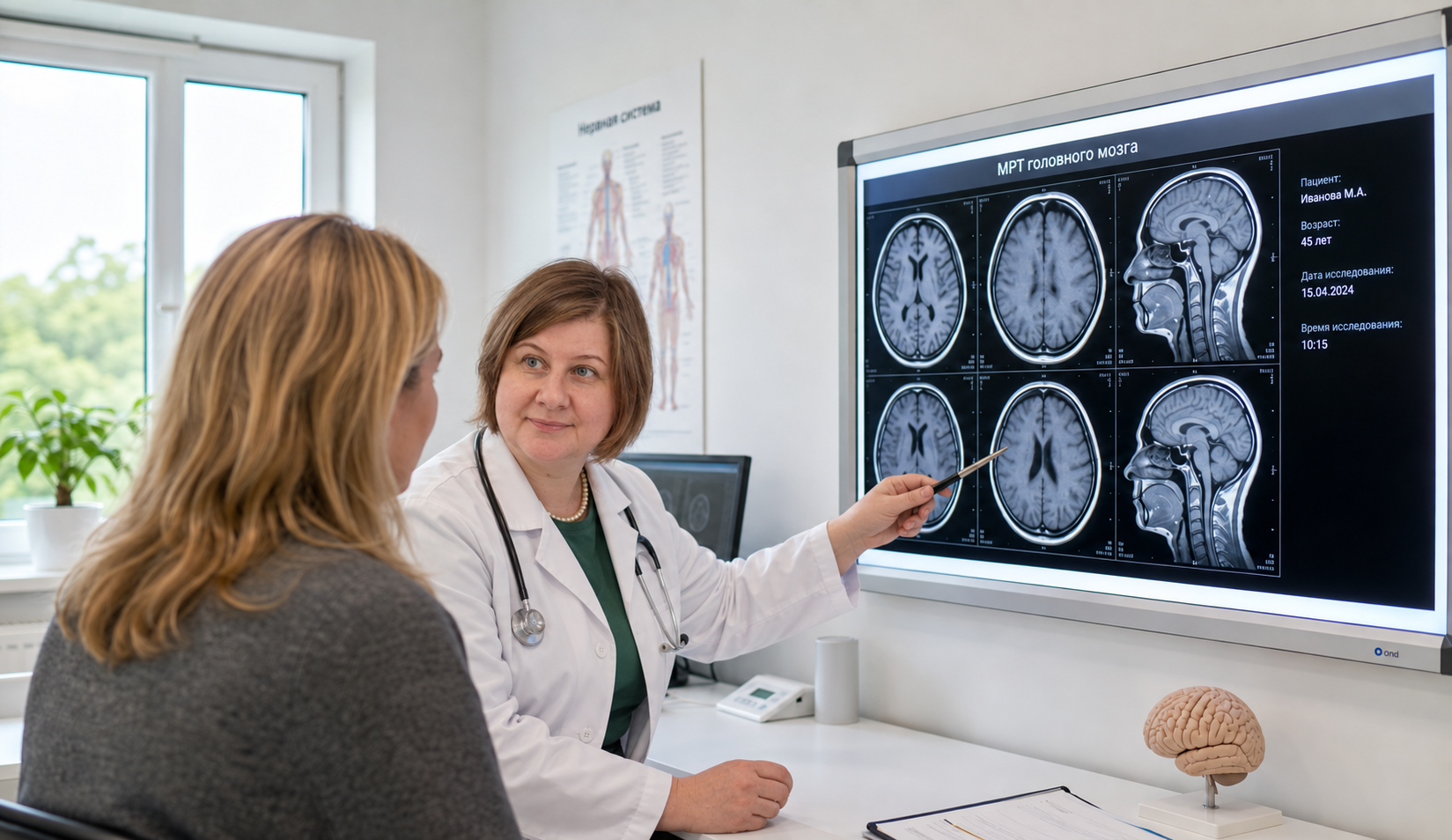
The first stage is a comprehensive examination of the body.
We go beyond simply making a diagnosis. It is crucial for us to understand how all body systems function, evaluate metabolic processes, inflammatory activity, immune status, gut and mitochondrial health, vitamin and trace element deficiencies, as well as other indicators that may influence the development of the disease.
It is high-quality diagnostics that forms the foundation of effective treatment.
What is included in the primary diagnostic list?
- Complete blood count (CBC)
- Biochemical blood test (total protein, lactate, bilirubin, urea, creatinine, ALT, AST, eosinophil cationic protein, NSE, S100, total IgE, TNF-alpha, C-reactive protein, rheumatoid factor)
- Urine organic acids — 60 parameters (urine)
- Amino acids — 48 parameters (blood)
- ASO (Antistreptolysin O)
- Human Herpesvirus 6 (HHV-6), quantitative
*Additional data may be required; the clinic administrators will provide you with more precise information.
Comprehensive diagnostics
The first stage is a comprehensive examination of the body.
We go beyond simply making a diagnosis. It is crucial for us to understand how all body systems function, evaluate metabolic processes, inflammatory activity, immune status, gut and mitochondrial health, vitamin and trace element deficiencies, as well as other indicators that may influence the development of the disease.
It is high-quality diagnostics that forms the foundation of effective treatment.
What is included in the primary diagnostic list?
- Complete blood count (CBC)
- Biochemical blood test (total protein, lactate, bilirubin, urea, creatinine, ALT, AST, eosinophil cationic protein, NSE, S100, total IgE, TNF-alpha, C-reactive protein, rheumatoid factor)
- Urine organic acids — 60 parameters (urine)
- Amino acids — 48 parameters (blood)
- ASO (Antistreptolysin O)
- Human Herpesvirus 6 (HHV-6), quantitative
*Additional data may be required; the clinic administrators will provide you with more precise information.
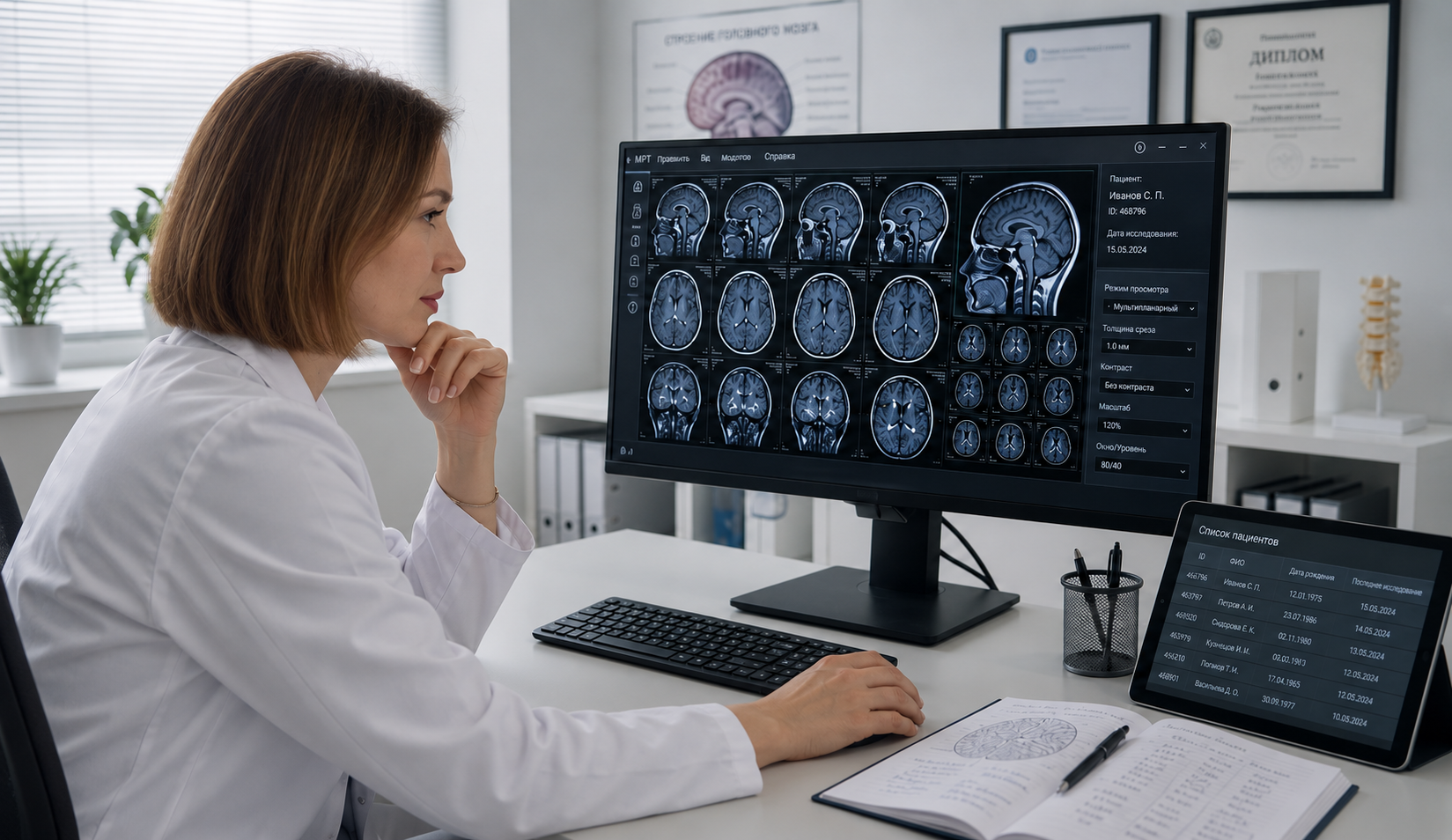
The exact same diagnosis can have completely different causes. Our task is to find the specific mechanism that led to the development of the illness in your particular case.
We analyze the examination results, medical history, and clinical picture to determine the root causes of the disease: chronic inflammation, metabolic disorders, mitochondrial dysfunction, toxic load, immune disorders, deficiency states, and other factors.
By addressing the cause, rather than just the symptoms, we create the foundation for sustainable results.
Identifying the cause of the disease
The exact same diagnosis can have completely different causes. Our task is to find the specific mechanism that led to the development of the illness in your particular case.
We analyze the examination results, medical history, and clinical picture to determine the root causes of the disease: chronic inflammation, metabolic disorders, mitochondrial dysfunction, toxic load, immune disorders, deficiency states, and other factors.
By addressing the cause, rather than just the symptoms, we create the foundation for sustainable results.

After establishing a complete clinical picture, the doctor develops a personalized treatment program.
Depending on the patient's condition, it may include:
- infusion therapy;
- dietary adjustments;
- ketogenic and metabolic programs;
- mitochondrial support;
- gut restoration;
- anti-inflammatory therapy;
- cellular technologies;
- nutritional support and other modern methods.
Each plan is created individually, taking into account age, diagnosis, examination results, and treatment goals.
Individualized treatment plan
After establishing a complete clinical picture, the doctor develops a personalized treatment program.
Depending on the patient's condition, it may include:
- infusion therapy;
- dietary adjustments;
- ketogenic and metabolic programs;
- mitochondrial support;
- gut restoration;
- anti-inflammatory therapy;
- cellular technologies;
- nutritional support and other modern methods.
Each plan is created individually, taking into account age, diagnosis, examination results, and treatment goals.
Treatment is a process that requires monitoring and timely adjustments.
Our specialists accompany the patient throughout the entire program: they evaluate progress, monitor health indicators, adjust prescriptions, and answer any questions that arise. This approach allows us to adapt the treatment in a timely manner and achieve the best possible results for each patient.
At PlanetaMed, we do not treat an isolated diagnosis — we work with the body as a whole, helping to restore its own resources and regain quality of life.
Support at all stages
Treatment is a process that requires monitoring and timely adjustments.
Our specialists accompany the patient throughout the entire program: they evaluate progress, monitor health indicators, adjust prescriptions, and answer any questions that arise. This approach allows us to adapt the treatment in a timely manner and achieve the best possible results for each patient.
At PlanetaMed, we do not treat an isolated diagnosis — we work with the body as a whole, helping to restore its own resources and regain quality of life.
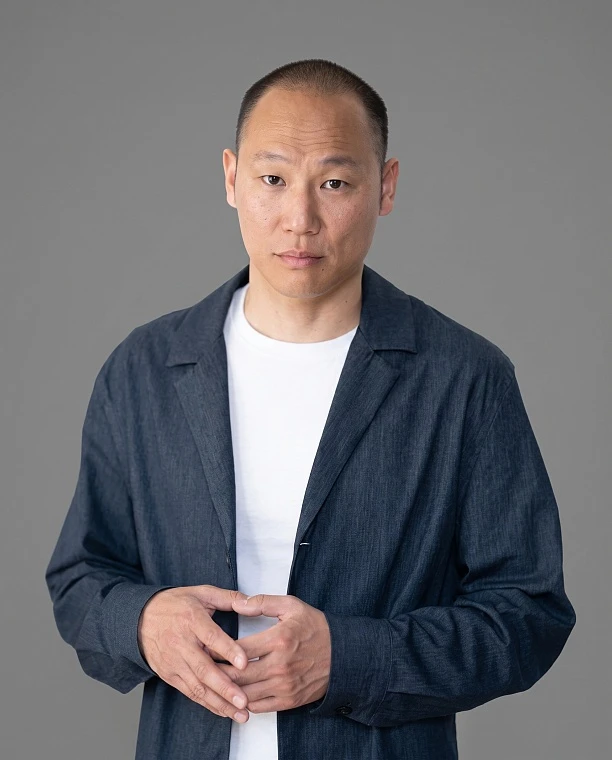
Anton Meliksovich
- Neurologist
- Epileptologist
- Integrative medicine specialist
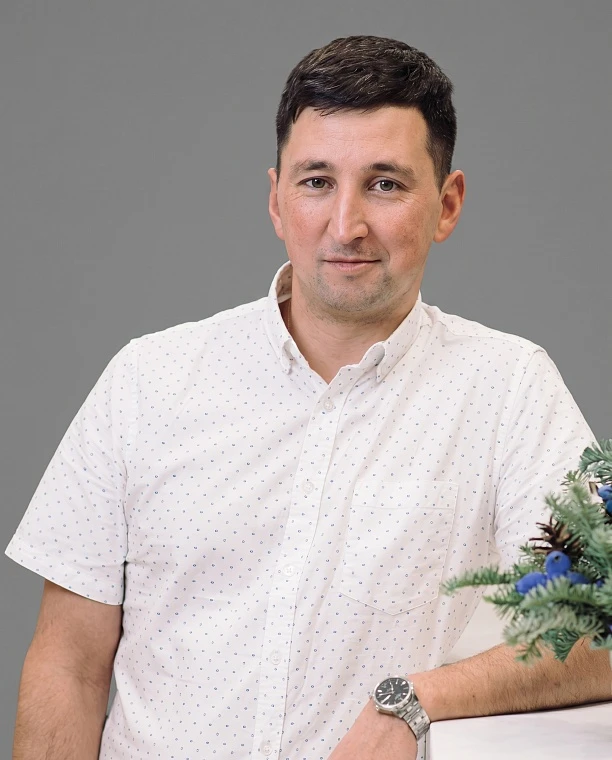
Timur Ruslanovich
- Neurologist
- Epileptologist
- Integrative medicine specialist
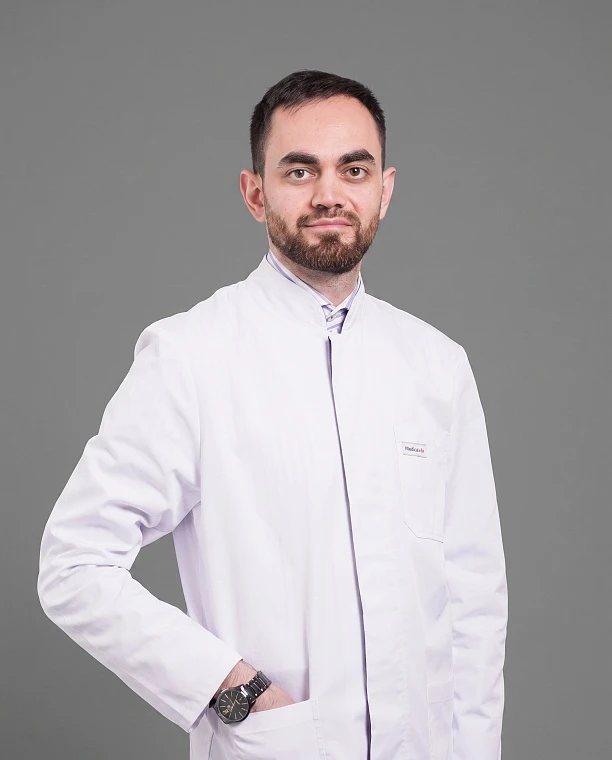
Latif Akifovich
- Neurologist-epileptologist
- Integrative medicine specialist
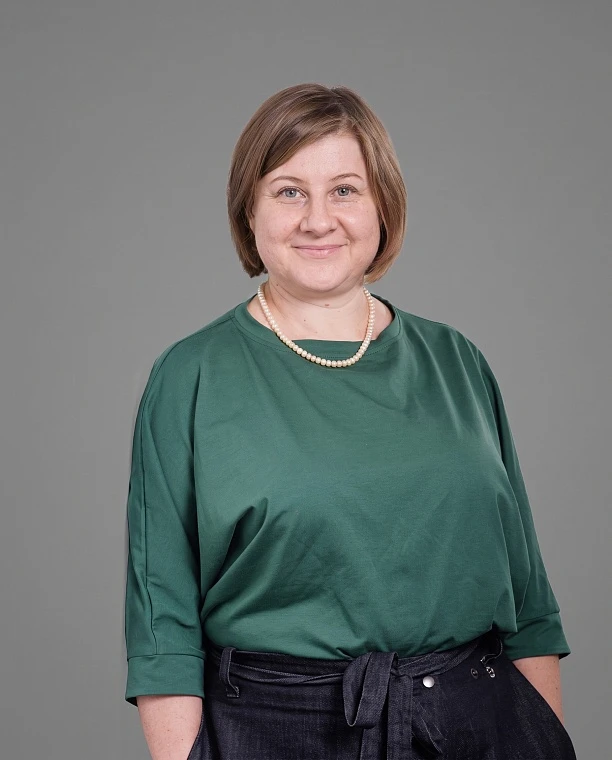
Yulia Vladimirovna
- Neurologist-epileptologist
- Neurologist
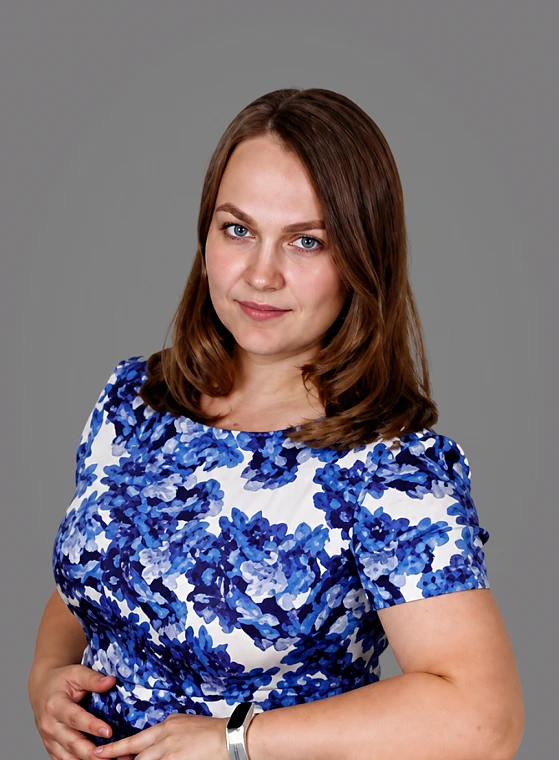
Anna Igorevna
- General Practitioner (Family Medicine)
- Neurologist
- Integrative medicine specialist