Cerebral Palsy
Cerebral palsy is manifested by a syndrome of motor disorders, impaired muscle tone, postural maintenance, and slowed or absent motor development.
For a long time, the causes of cerebral palsy were considered to be intrauterine or perinatal brain damage caused by birth trauma, intracranial hemorrhage, ischemia, intrauterine infection, or brain malformation.
The clinical picture of CP was the development of spastic hemi- or tetraparesis of skeletal muscles, that is, increased tone in two or all four limbs.
Motor disorders are often combined with mental and speech developmental delay.
There is no specific treatment for cerebral palsy; the emphasis is on motor development through massage, gymnastics, physiotherapy, reflexology, hydrotherapy, swimming, and other methods.
In cases of high muscle tone, drugs to reduce tone and block the neuromuscular synapse may be used – botulinum toxin, tizanidine, tolperisone. Sometimes surgeries to transect conductive nerve pathways and tendon release are offered.
The very definition of CP does not contain an indication of the cause of motor disorders; it merely states the fact of these disorders. However, currently the etiology of motor disorders is much broader; the main cause is often mitochondrial pathology, that is, a disorder of metabolic processes directly in the muscles, as a result of which muscle cells synthesize critically little energy. This leads to muscle weakness and delayed motor development in the child. In such cases, exercise, massage, and gymnastics with such children do not give the desired effect and do not contribute to muscle strengthening.
Children with motor delays are often found to have concomitant somatic pathology, which is mistakenly attributed to neurological disorders. For example, drooling due to inflammation of the salivary glands is mistakenly attributed to neurological pseudobulbar syndrome, constipation to reduced motor activity, and protective stress hypertonicity to cerebral damage.
Standard neurological and orthopedic programs are often a great stress for the child, are painful, and worst of all, these sufferings are inflicted in the presence of parents; accordingly, the child-mother bond is disrupted and overall the rehabilitation process is slowed down.
The basis of rehabilitation for a child with motor disorders in our clinic is determining the true cause of the motor disorders, studying the child's metabolic status, examining their amino acid and micronutrient balance, and correcting them.
Basic mitochondrial support includes correction of function and reduction of intoxication levels, correction of constipation, and reduction of inflammation. For this purpose, necessary laboratory tests are conducted. At the clinic, according to indications, the KETOMIT program is introduced, the diet is adjusted, and poorly digestible foods and those contributing to intoxication are removed.
To increase the energy output of muscle cells, courses of mitochondrial support are carried out, including ozone therapy and interval hypoxic therapy. The clinic organizes a rehabilitation course REMIT, during which the patient significantly improves their motor status.
How does treatment work at the "PlanetaMed" clinic?
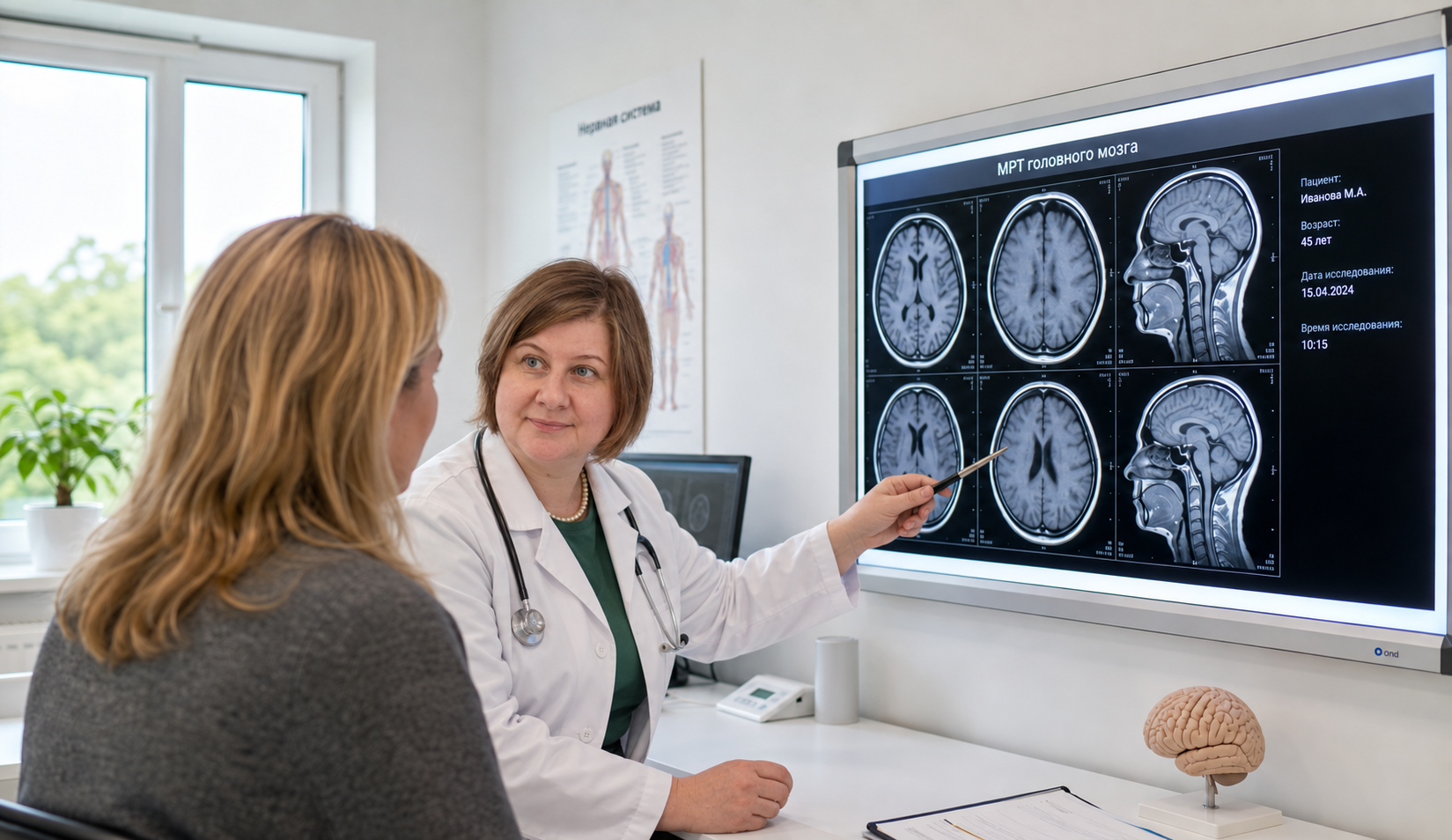
The first stage is a comprehensive examination of the body.
We go beyond simply making a diagnosis. It is crucial for us to understand how all body systems function, evaluate metabolic processes, inflammatory activity, immune status, gut and mitochondrial health, vitamin and trace element deficiencies, as well as other indicators that may influence the development of the disease.
It is high-quality diagnostics that forms the foundation of effective treatment.
What is included in the primary diagnostic list?
- Complete blood count (CBC)
- Biochemical blood test (total protein, lactate, bilirubin, urea, creatinine, ALT, AST, eosinophil cationic protein, NSE, S100, total IgE, TNF-alpha, C-reactive protein, rheumatoid factor)
- Urine organic acids — 60 parameters (urine)
- Amino acids — 48 parameters (blood)
- ASO (Antistreptolysin O)
- Human Herpesvirus 6 (HHV-6), quantitative
*Additional data may be required; the clinic administrators will provide you with more precise information.
Comprehensive diagnostics
The first stage is a comprehensive examination of the body.
We go beyond simply making a diagnosis. It is crucial for us to understand how all body systems function, evaluate metabolic processes, inflammatory activity, immune status, gut and mitochondrial health, vitamin and trace element deficiencies, as well as other indicators that may influence the development of the disease.
It is high-quality diagnostics that forms the foundation of effective treatment.
What is included in the primary diagnostic list?
- Complete blood count (CBC)
- Biochemical blood test (total protein, lactate, bilirubin, urea, creatinine, ALT, AST, eosinophil cationic protein, NSE, S100, total IgE, TNF-alpha, C-reactive protein, rheumatoid factor)
- Urine organic acids — 60 parameters (urine)
- Amino acids — 48 parameters (blood)
- ASO (Antistreptolysin O)
- Human Herpesvirus 6 (HHV-6), quantitative
*Additional data may be required; the clinic administrators will provide you with more precise information.
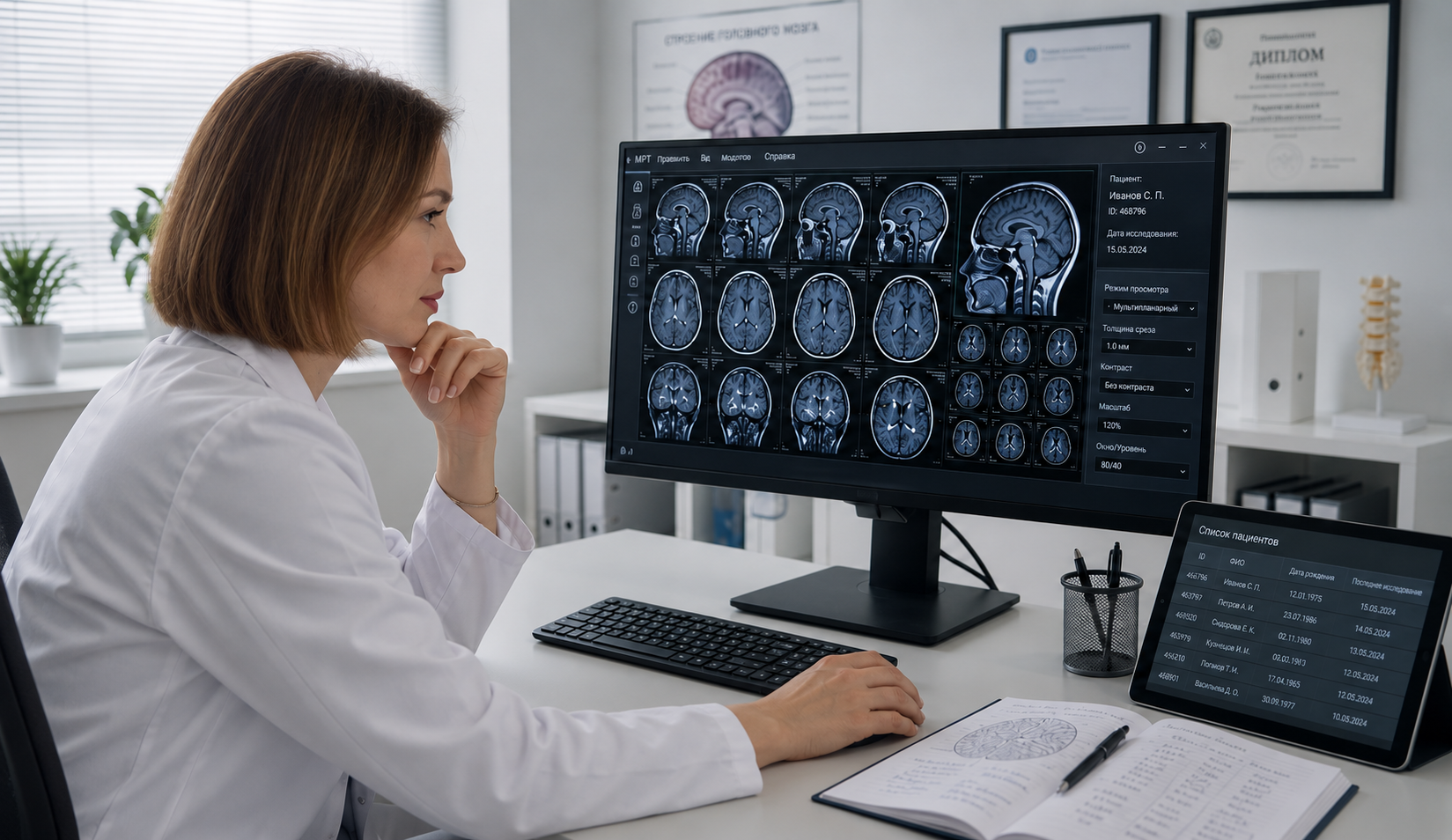
The exact same diagnosis can have completely different causes. Our task is to find the specific mechanism that led to the development of the illness in your particular case.
We analyze the examination results, medical history, and clinical picture to determine the root causes of the disease: chronic inflammation, metabolic disorders, mitochondrial dysfunction, toxic load, immune disorders, deficiency states, and other factors.
By addressing the cause, rather than just the symptoms, we create the foundation for sustainable results.
Identifying the cause of the disease
The exact same diagnosis can have completely different causes. Our task is to find the specific mechanism that led to the development of the illness in your particular case.
We analyze the examination results, medical history, and clinical picture to determine the root causes of the disease: chronic inflammation, metabolic disorders, mitochondrial dysfunction, toxic load, immune disorders, deficiency states, and other factors.
By addressing the cause, rather than just the symptoms, we create the foundation for sustainable results.
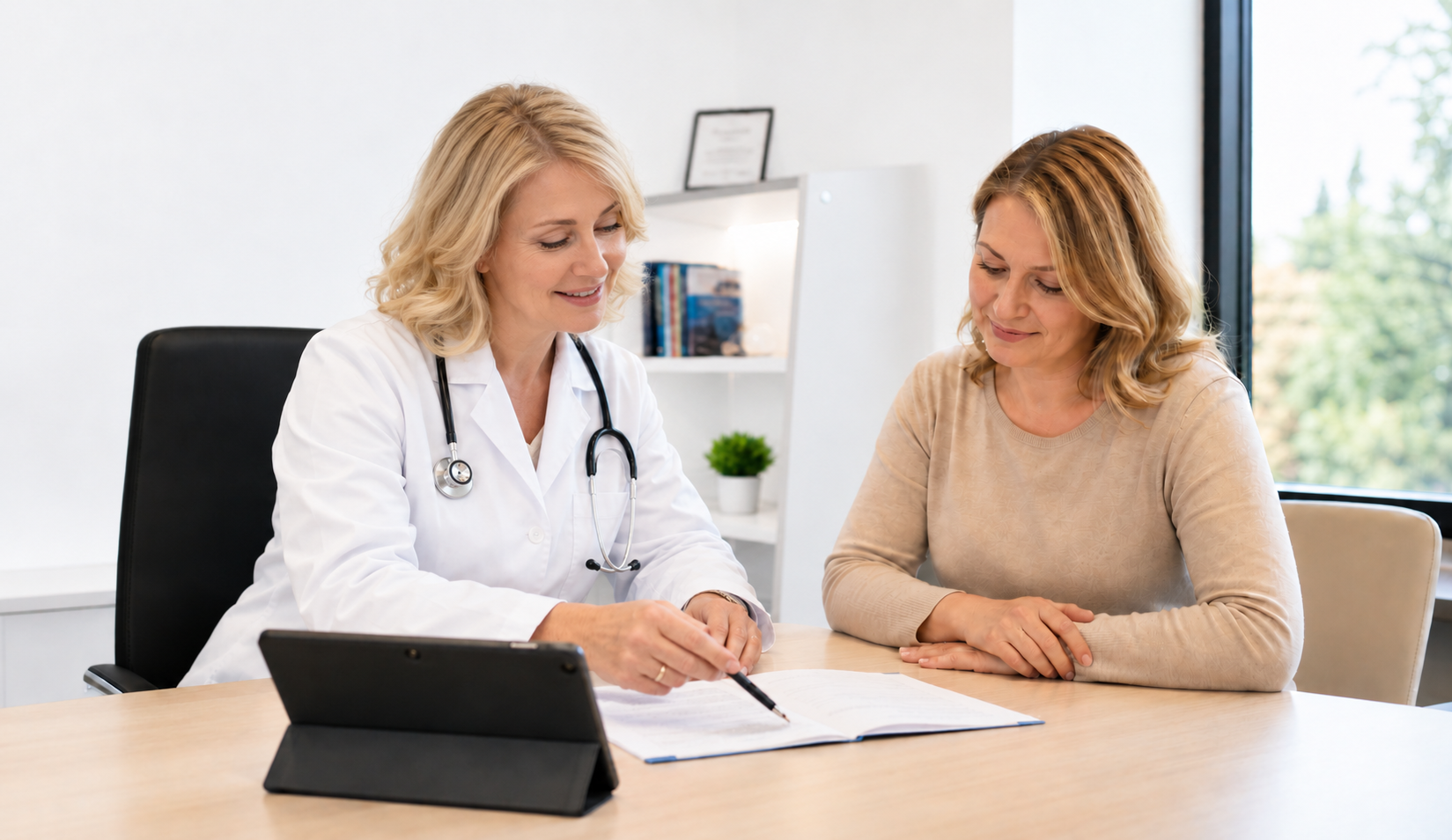
After establishing a complete clinical picture, the doctor develops a personalized treatment program.
Depending on the patient's condition, it may include:
- infusion therapy;
- dietary adjustments;
- ketogenic and metabolic programs;
- mitochondrial support;
- gut restoration;
- anti-inflammatory therapy;
- cellular technologies;
- nutritional support and other modern methods.
Each plan is created individually, taking into account age, diagnosis, examination results, and treatment goals.
Individualized treatment plan
After establishing a complete clinical picture, the doctor develops a personalized treatment program.
Depending on the patient's condition, it may include:
- infusion therapy;
- dietary adjustments;
- ketogenic and metabolic programs;
- mitochondrial support;
- gut restoration;
- anti-inflammatory therapy;
- cellular technologies;
- nutritional support and other modern methods.
Each plan is created individually, taking into account age, diagnosis, examination results, and treatment goals.
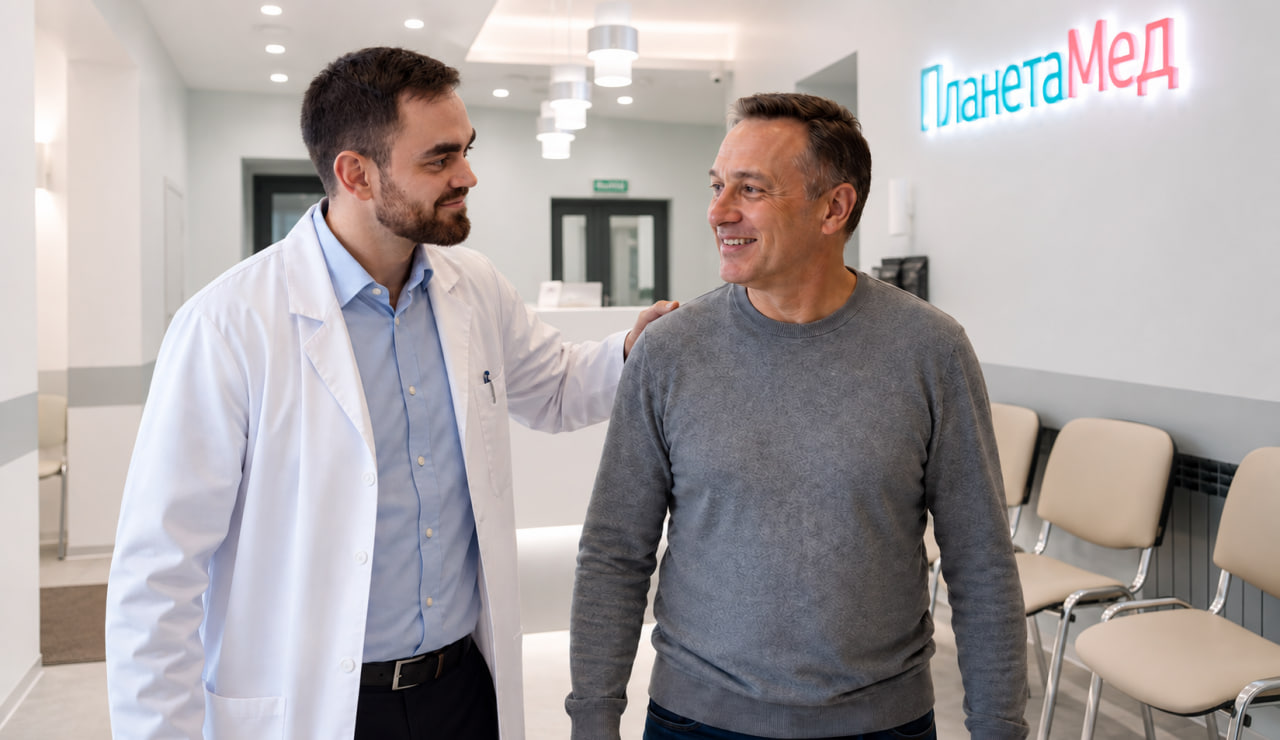
Treatment is a process that requires monitoring and timely adjustments.
Our specialists accompany the patient throughout the entire program: they evaluate progress, monitor health indicators, adjust prescriptions, and answer any questions that arise. This approach allows us to adapt the treatment in a timely manner and achieve the best possible results for each patient.
At PlanetaMed, we do not treat an isolated diagnosis — we work with the body as a whole, helping to restore its own resources and regain quality of life.
Support at all stages
Treatment is a process that requires monitoring and timely adjustments.
Our specialists accompany the patient throughout the entire program: they evaluate progress, monitor health indicators, adjust prescriptions, and answer any questions that arise. This approach allows us to adapt the treatment in a timely manner and achieve the best possible results for each patient.
At PlanetaMed, we do not treat an isolated diagnosis — we work with the body as a whole, helping to restore its own resources and regain quality of life.
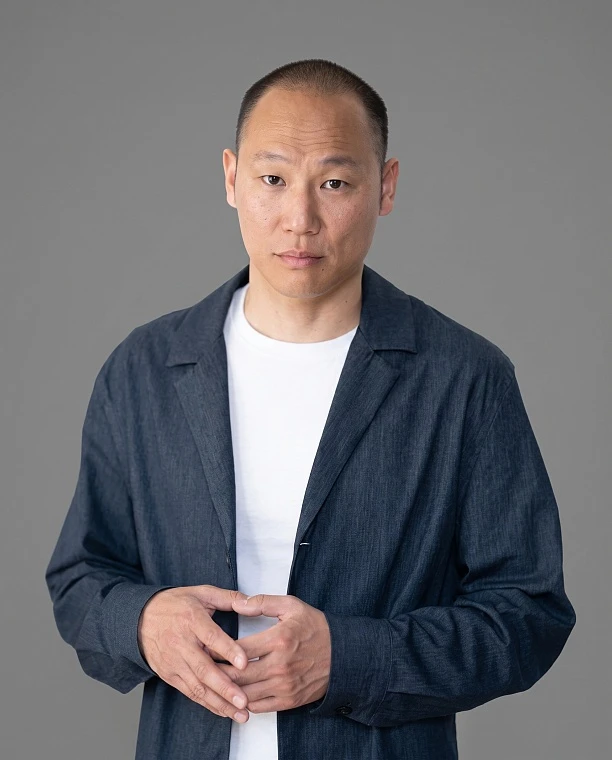
Anton Meliksovich
- Neurologist
- Epileptologist
- Integrative medicine specialist
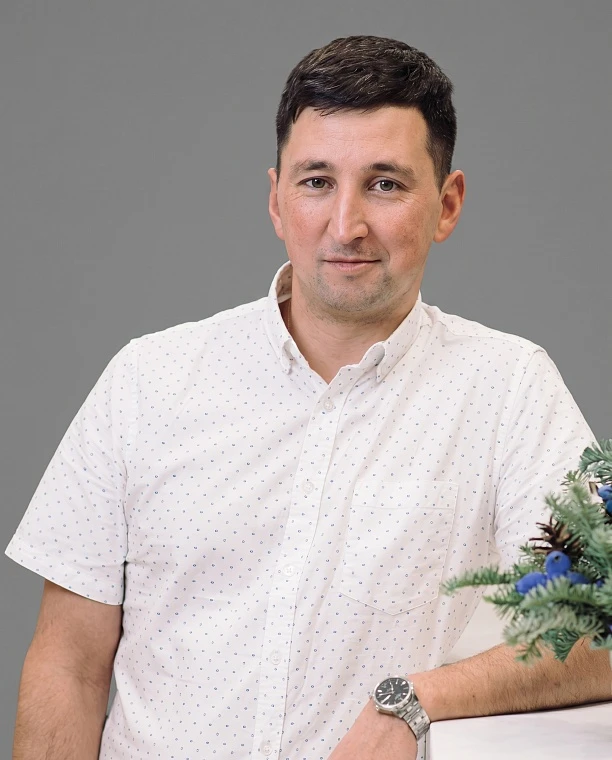
Timur Ruslanovich
- Neurologist
- Epileptologist
- Integrative medicine specialist
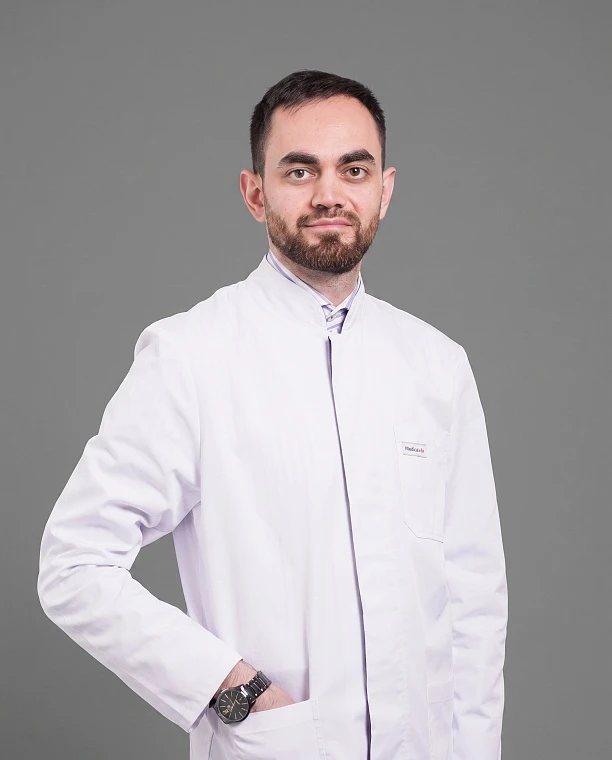
Latif Akifovich
- Neurologist-epileptologist
- Integrative medicine specialist
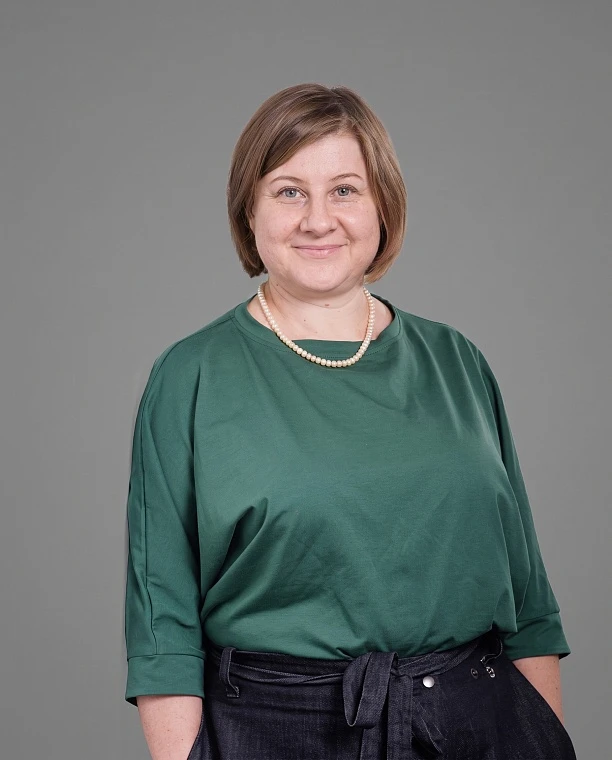
Yulia Vladimirovna
- Neurologist-epileptologist
- Neurologist
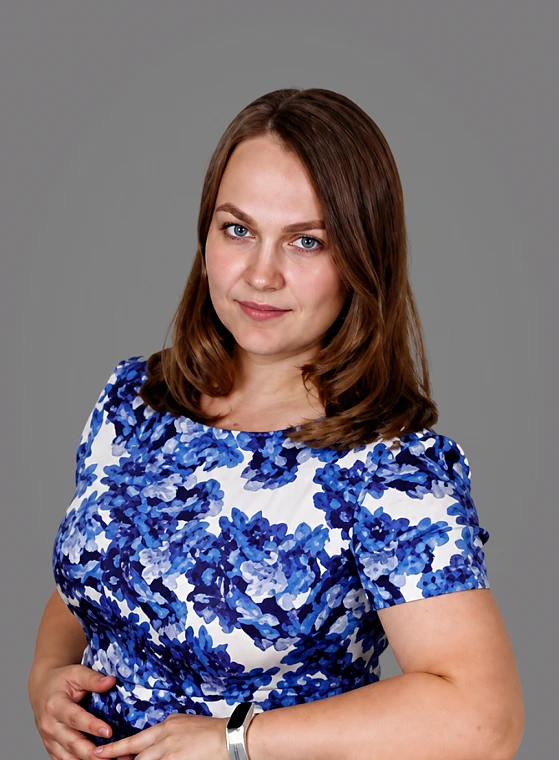
Anna Igorevna
- General Practitioner (Family Medicine)
- Neurologist
- Integrative medicine specialist