Enuresis
Nocturnal enuresis is a fairly common problem occurring in children, which not only reduces sleep quality due to wet bedding, but also, if it persists into older childhood or adolescence, has significant social and psychological consequences.
Normally, children over 5 years old do not have involuntary nighttime urination. Persistence of this symptom at an older age indicates brain immaturity; sometimes, as the brain matures, it resolves on its own at an older age. However, after the age of 5, this symptom should be considered a problem and a specialist should be consulted.
The causes of enuresis are divided into organic and functional, and they are also divided according to the location of the problem. As mentioned, the main cause is the immaturity of brain structures. Other problems may include dysplasia of the spine and spinal cord, for example, spina bifida, impaired conduction along the nerves that go to the bladder sphincters and regulate their tone. A hypotonic bladder with its overfilling or insufficient contraction, as well as a hyperreflexic bladder with low reservoir function, are also causes of involuntary nighttime urination.
A rare cause of enuresis is hyperproduction of urine at night, which is associated with insufficient synthesis of hormones that block urine production by the kidneys at night.
There are simple but often effective methods for preventing enuresis – limiting water intake in the evening, mandatory bladder emptying before bedtime. Some parents force the child to sit on the potty in the middle of the night if they know that urination occurs during sleep in the morning hours.
But it is more correct to eliminate the cause of enuresis; for this, it is necessary to take into account the clinical picture, and consider how enuresis appeared – whether it occurred after a period of dry nights, or whether it was present from early childhood.
Enuresis may appear after emotional stress or a past infection. In the first case, the situation can be stabilized with appropriate sedative therapy; in the second, treatment is aimed at treating inflammation and detoxifying the body.
For weak bladder sphincters, "intermittent stream" exercises are recommended; for innervation disorders – nerve stimulation, vitamin therapy.
If a child is diagnosed with nocturia – an excess of nighttime urine production over daytime volume – the issue of prescribing hormonal therapy with antidiuretic hormone is addressed.
The examination plan for a patient with enuresis depends on the clinical situation and may include urodynamics, lumbar spine X-ray, bladder ultrasound with residual urine determination, and electromyography.
If enuresis occurs in a child with mental developmental delay, then it is necessary to address the causes of the developmental delay; once they are resolved, the enuresis will resolve on its own.
To determine an individualized examination plan and prescribe treatment, you can consult the neurologists at our clinic.
How does treatment work at the "PlanetaMed" clinic?
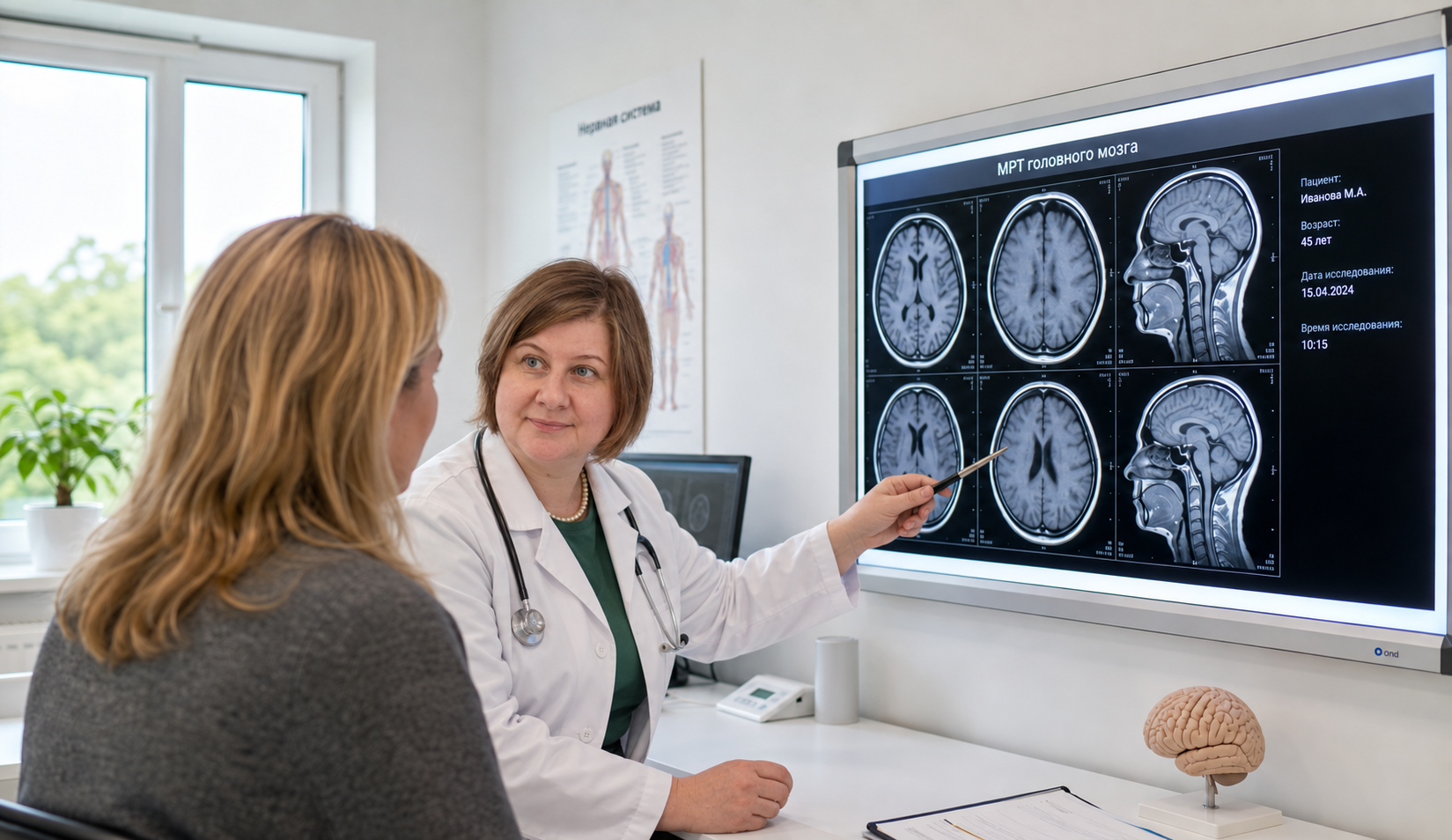
The first stage is a comprehensive examination of the body.
We go beyond simply making a diagnosis. It is crucial for us to understand how all body systems function, evaluate metabolic processes, inflammatory activity, immune status, gut and mitochondrial health, vitamin and trace element deficiencies, as well as other indicators that may influence the development of the disease.
It is high-quality diagnostics that forms the foundation of effective treatment.
What is included in the primary diagnostic list?
- Complete blood count (CBC)
- Biochemical blood test (total protein, lactate, bilirubin, urea, creatinine, ALT, AST, eosinophil cationic protein, NSE, S100, total IgE, TNF-alpha, C-reactive protein, rheumatoid factor)
- Urine organic acids — 60 parameters (urine)
- Amino acids — 48 parameters (blood)
- ASO (Antistreptolysin O)
- Human Herpesvirus 6 (HHV-6), quantitative
*Additional data may be required; the clinic administrators will provide you with more precise information.
Comprehensive diagnostics
The first stage is a comprehensive examination of the body.
We go beyond simply making a diagnosis. It is crucial for us to understand how all body systems function, evaluate metabolic processes, inflammatory activity, immune status, gut and mitochondrial health, vitamin and trace element deficiencies, as well as other indicators that may influence the development of the disease.
It is high-quality diagnostics that forms the foundation of effective treatment.
What is included in the primary diagnostic list?
- Complete blood count (CBC)
- Biochemical blood test (total protein, lactate, bilirubin, urea, creatinine, ALT, AST, eosinophil cationic protein, NSE, S100, total IgE, TNF-alpha, C-reactive protein, rheumatoid factor)
- Urine organic acids — 60 parameters (urine)
- Amino acids — 48 parameters (blood)
- ASO (Antistreptolysin O)
- Human Herpesvirus 6 (HHV-6), quantitative
*Additional data may be required; the clinic administrators will provide you with more precise information.
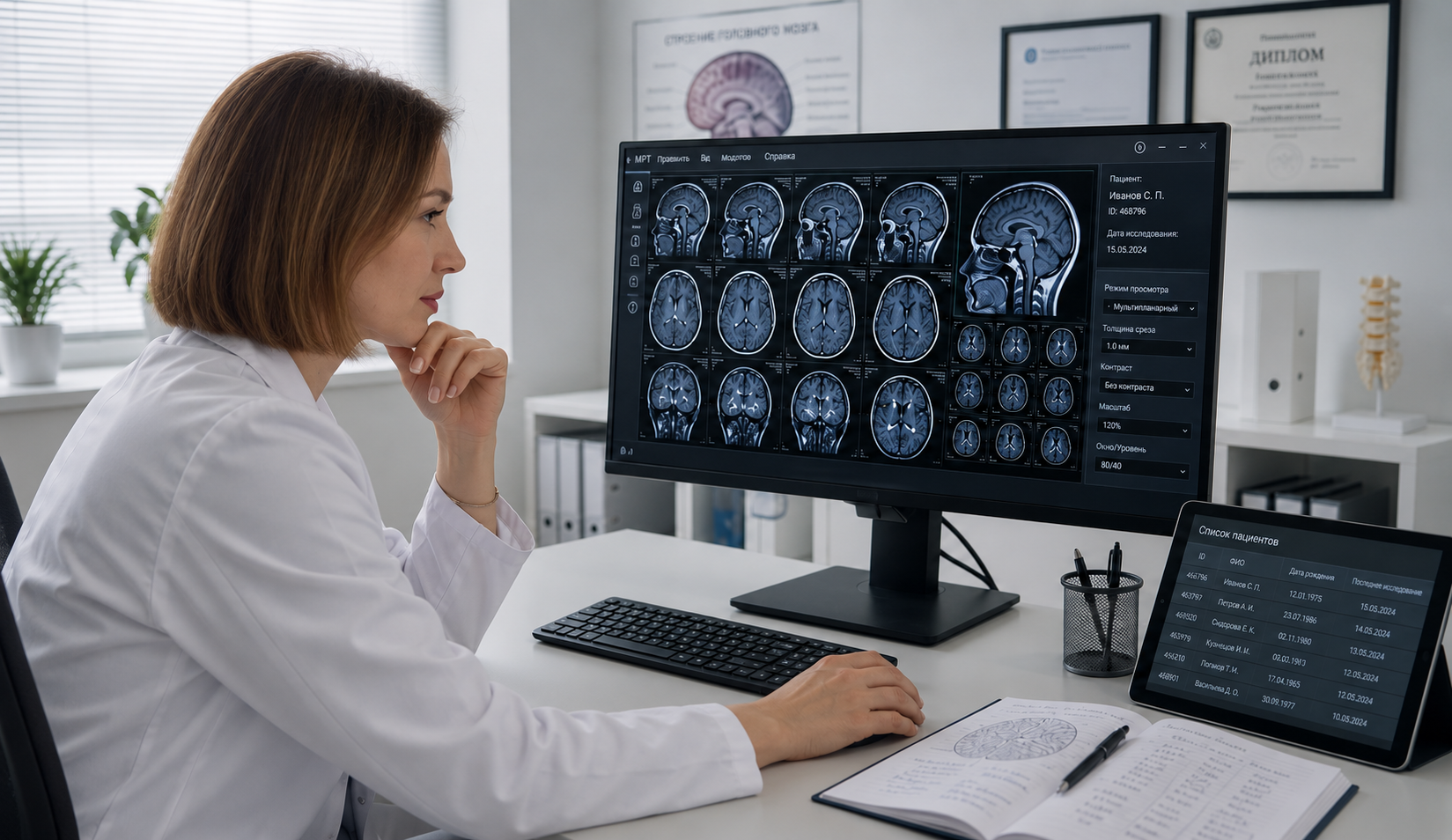
The exact same diagnosis can have completely different causes. Our task is to find the specific mechanism that led to the development of the illness in your particular case.
We analyze the examination results, medical history, and clinical picture to determine the root causes of the disease: chronic inflammation, metabolic disorders, mitochondrial dysfunction, toxic load, immune disorders, deficiency states, and other factors.
By addressing the cause, rather than just the symptoms, we create the foundation for sustainable results.
Identifying the cause of the disease
The exact same diagnosis can have completely different causes. Our task is to find the specific mechanism that led to the development of the illness in your particular case.
We analyze the examination results, medical history, and clinical picture to determine the root causes of the disease: chronic inflammation, metabolic disorders, mitochondrial dysfunction, toxic load, immune disorders, deficiency states, and other factors.
By addressing the cause, rather than just the symptoms, we create the foundation for sustainable results.
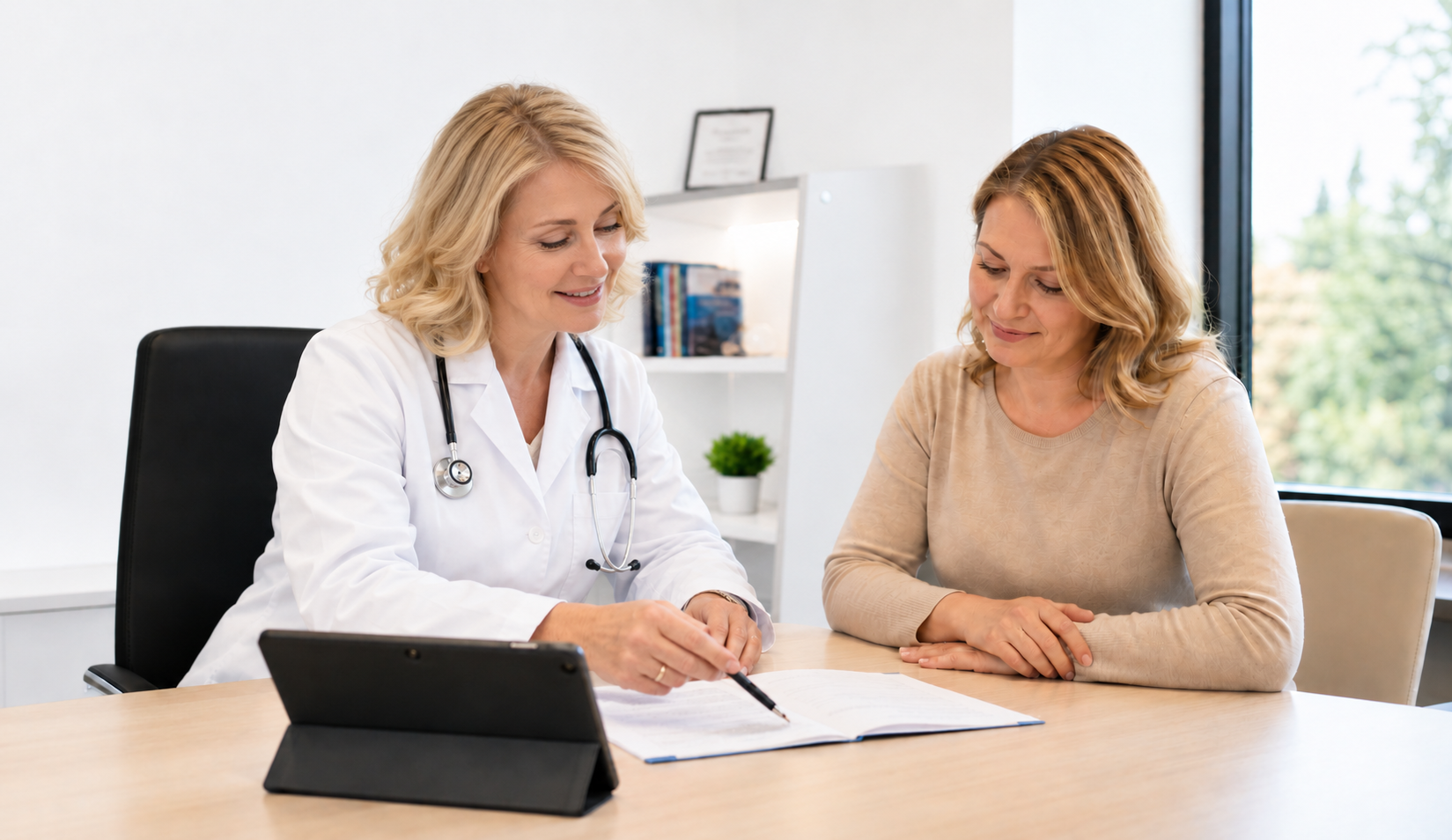
After establishing a complete clinical picture, the doctor develops a personalized treatment program.
Depending on the patient's condition, it may include:
- infusion therapy;
- dietary adjustments;
- ketogenic and metabolic programs;
- mitochondrial support;
- gut restoration;
- anti-inflammatory therapy;
- cellular technologies;
- nutritional support and other modern methods.
Each plan is created individually, taking into account age, diagnosis, examination results, and treatment goals.
Individualized treatment plan
After establishing a complete clinical picture, the doctor develops a personalized treatment program.
Depending on the patient's condition, it may include:
- infusion therapy;
- dietary adjustments;
- ketogenic and metabolic programs;
- mitochondrial support;
- gut restoration;
- anti-inflammatory therapy;
- cellular technologies;
- nutritional support and other modern methods.
Each plan is created individually, taking into account age, diagnosis, examination results, and treatment goals.
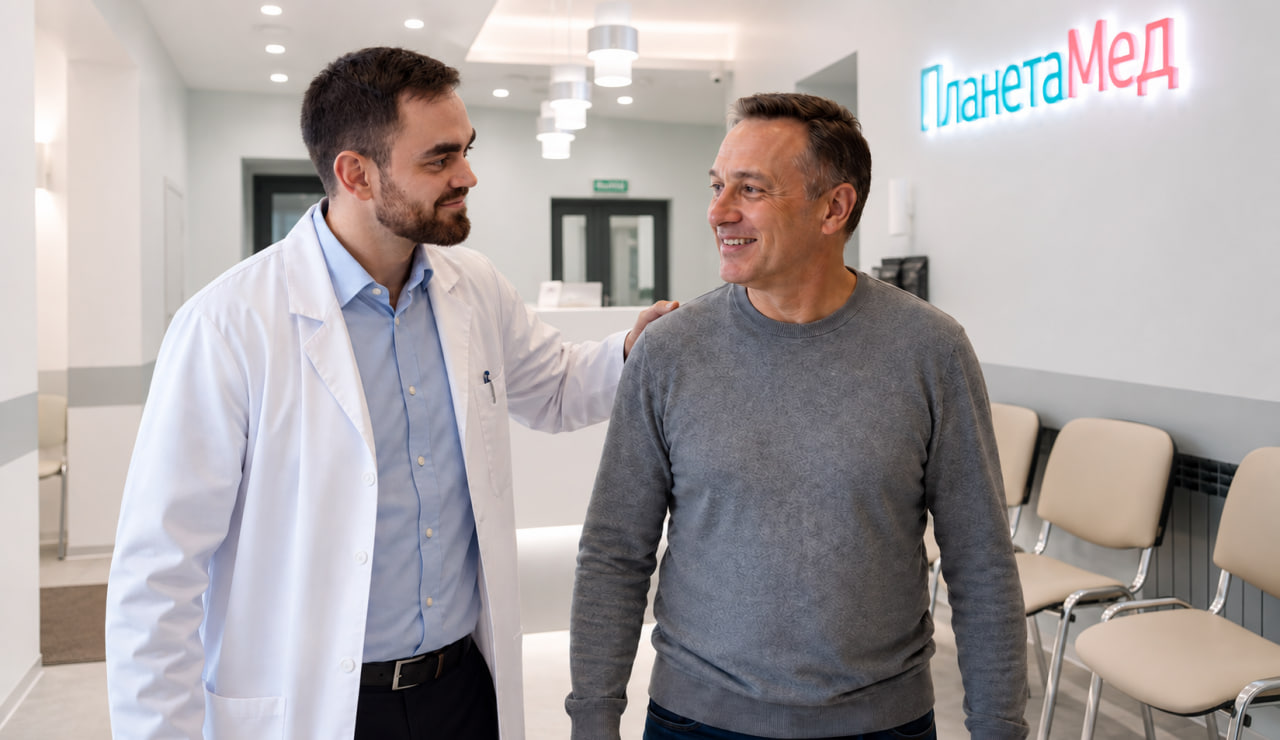
Treatment is a process that requires monitoring and timely adjustments.
Our specialists accompany the patient throughout the entire program: they evaluate progress, monitor health indicators, adjust prescriptions, and answer any questions that arise. This approach allows us to adapt the treatment in a timely manner and achieve the best possible results for each patient.
At PlanetaMed, we do not treat an isolated diagnosis — we work with the body as a whole, helping to restore its own resources and regain quality of life.
Support at all stages
Treatment is a process that requires monitoring and timely adjustments.
Our specialists accompany the patient throughout the entire program: they evaluate progress, monitor health indicators, adjust prescriptions, and answer any questions that arise. This approach allows us to adapt the treatment in a timely manner and achieve the best possible results for each patient.
At PlanetaMed, we do not treat an isolated diagnosis — we work with the body as a whole, helping to restore its own resources and regain quality of life.
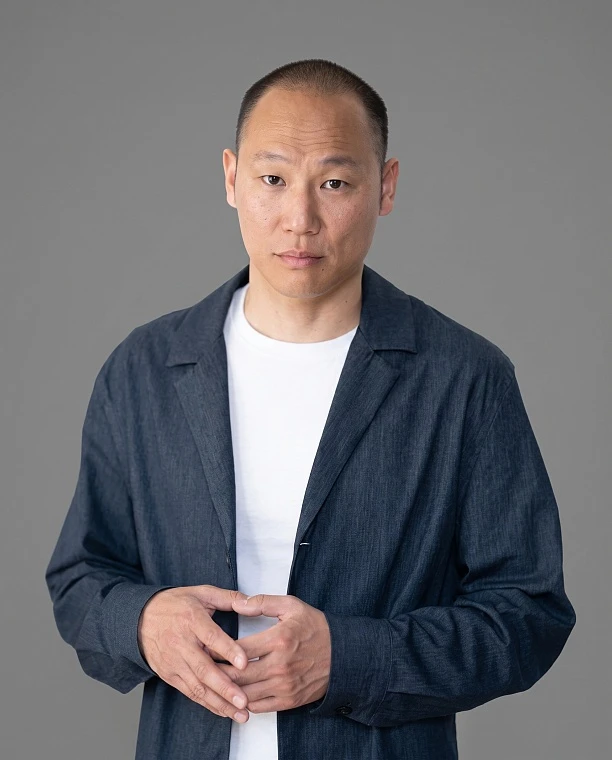
Anton Meliksovich
- Neurologist
- Epileptologist
- Integrative medicine specialist
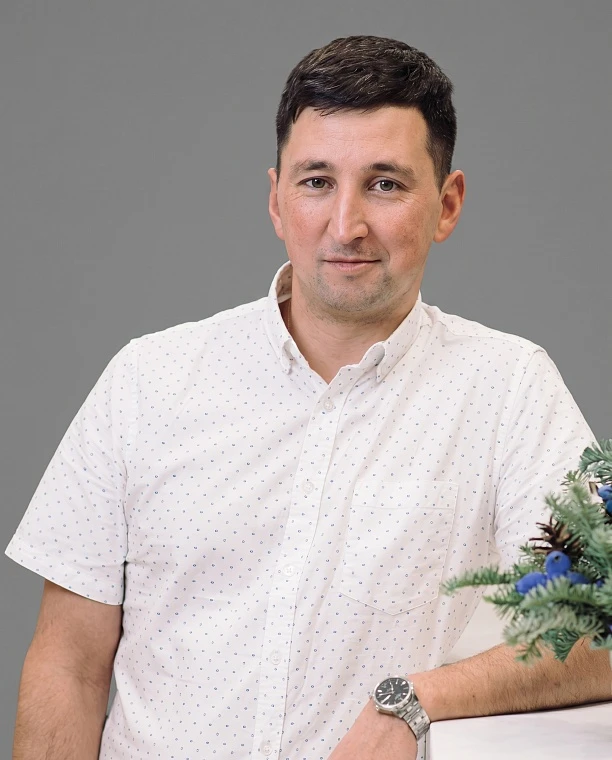
Timur Ruslanovich
- Neurologist
- Epileptologist
- Integrative medicine specialist
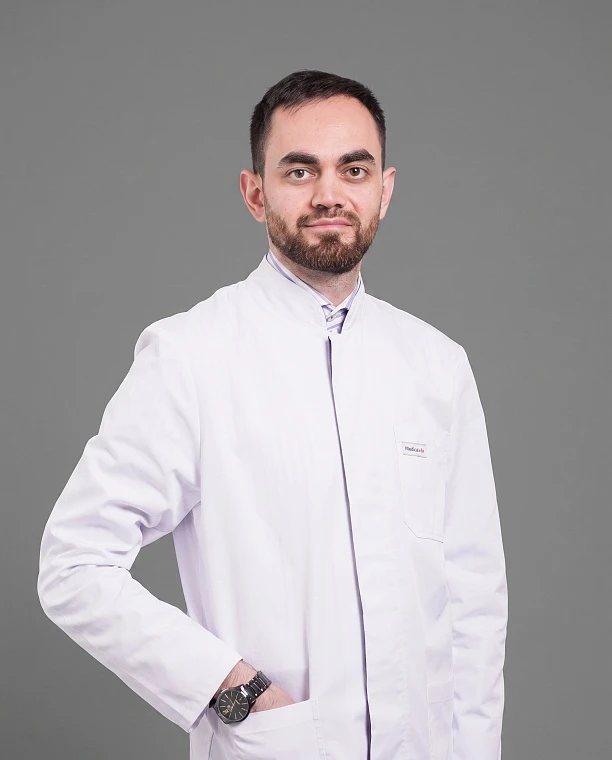
Latif Akifovich
- Neurologist-epileptologist
- Integrative medicine specialist
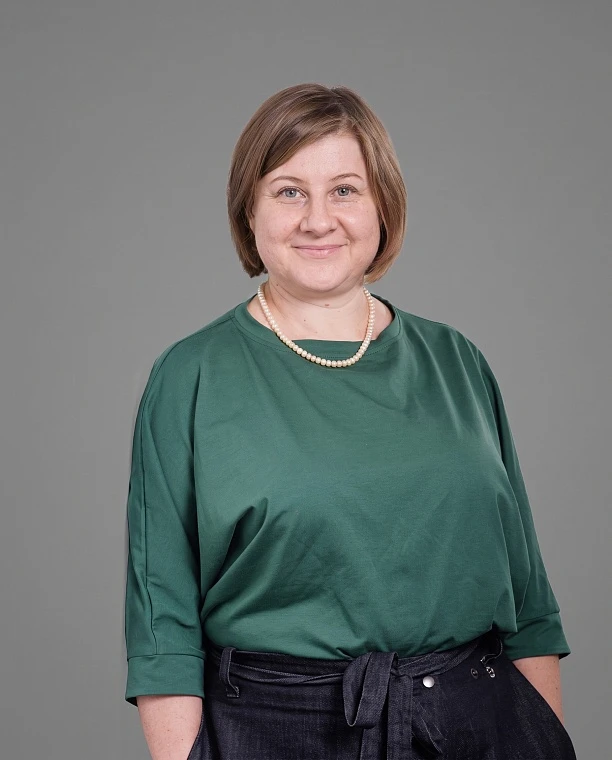
Yulia Vladimirovna
- Neurologist-epileptologist
- Neurologist
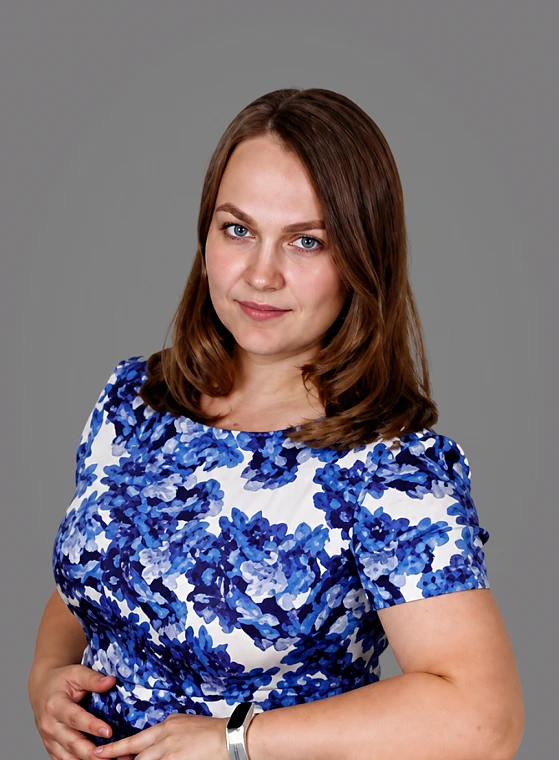
Anna Igorevna
- General Practitioner (Family Medicine)
- Neurologist
- Integrative medicine specialist