Epilepsy
Epilepsy is a brain disorder that clinically manifests as various types of convulsive and non-convulsive epileptic seizures.
The diagnosis of "epilepsy" is established based on basic examinations – brain MRI and EEG.
The main generally accepted method of treating epilepsy is anticonvulsant therapy (ACT) using antiepileptic drugs (AEDs).
The choice of AEDs and their combinations depends on the type of epileptic seizure and the results of EEG and VEEG monitoring, during which various types of epileptic activity can be recorded.
AEDs are not, as such, an antiepileptic therapy; they are symptomatic therapy that increases the resistance of nerve cells and their synapses to fluctuations in bioelectricity, the reflection of which is epileptiform activity on EEG. Effective ACT allows controlling epileptic seizures but does not eliminate their cause; in such cases, the patient takes anticonvulsants for life.
In epileptic encephalopathies and other forms of severe epilepsy, taking anticonvulsants is not effective; such forms are called resistant to anticonvulsant therapy.
For the treatment of resistant forms of epilepsy with status (prolonged) course of seizures, hormonal therapy with corticosteroids is often used, however, this may have only a temporary effect for a relatively short time, after which seizures resume.
Severe forms of epilepsy in children are often accompanied by regression in mental and motor development. Children with developmental disorders have a high risk of developing epilepsy.
The uniqueness of our approaches to treating epilepsy lies in finding and eliminating the causes of epilepsy. This allows limiting the volume and duration of anticonvulsant use, and in some cases, curing epileptic seizures without the use of AEDs at all.
MRI in the diagnosis of epilepsy has a limited scope; it only allows determining the structural basis of epilepsy, that is, it is informative in post-traumatic, post-stroke, tumor-related epilepsy, epilepsy due to brain malformations, or focal cortical dysplasias.
Most types of epilepsy do not have a structural basis for epileptic seizures, meaning that MRI, even performed on a high-field 3T machine using special "epileptological" diagnostic programs, does not reveal significant changes that could explain the presence of epileptic seizures or developmental delay in the patient. These are the so-called forms of non-lesional epilepsy.
As our research has shown, in most non-lesional forms of epilepsy, the cause of neuronal irritation in the brain and the appearance of epileptic activity is inflammatory processes, which may be localized in organs not directly connected to the brain.
For example, a strong correlation has been shown between various types of viruses and the development of temporal lobe epilepsy; bacterial intestinal infection or even the presence of parasites (toxocara, toxoplasma, various helminthic infestations) can become the cause of the development of seizure syndromes. The use of anticonvulsants in these cases is not very promising. Treatment aimed at eliminating the cause of brain irritation allows not only to stop the seizure syndrome but also to achieve stable remission.
To identify the causes of epilepsy, the clinic has developed and uses a laboratory diagnostic protocol; the state of immunity and neuroinflammation is studied, various potentially epileptogenic pathogenic agents are verified, and appropriate treatment protocols are applied.
In case of a pronounced inflammatory process, injectable forms of treatment, administration of immunoglobulins, antiviral and antibacterial drugs are used.
A number of forms of epilepsy can be caused by metabolic disorders in the body; without accurate biochemical diagnosis of the state of cellular metabolism of amino acids and their metabolites, it is impossible to identify such a form of epilepsy; the clinic uses chromatography-mass spectrometry laboratory tests for this purpose.
Some patients with resistant epilepsy respond well to the introduction of a ketogenic diet. The introduction of such a diet to patients with epileptic seizures is carried out only under the control of VEEG monitoring and metabolic parameters. The ketogenic diet allows discontinuing anticonvulsant therapy and completely eliminating epileptic seizures; in addition, a sharp increase in cognitive and motor skills in a developmentally delayed child may be observed. The program for introducing the ketogenic diet at the PlanetaMed clinic is called KETOMIT.
Overall, analyzing more than 20 years of experience working with epilepsy and seizure syndromes, it can be noted that the number of severe forms of epilepsy is steadily increasing, and the technologies used and effective at the end of the last century are currently not working. This requires constant updating and implementation of modern diagnostic panels and treatment methods, which is what is being done in our unique clinic.
You can conduct the entire necessary set of examinations in the clinic's laboratory and in our VEEG monitoring department.
Additional information on the diagnosis and treatment of epilepsy is presented in the course "Autism and Epilepsy" and in the lectures of the PlanetaMed Lecture Hall.
Stories
from our patients

How does treatment work at the "PlanetaMed" clinic?
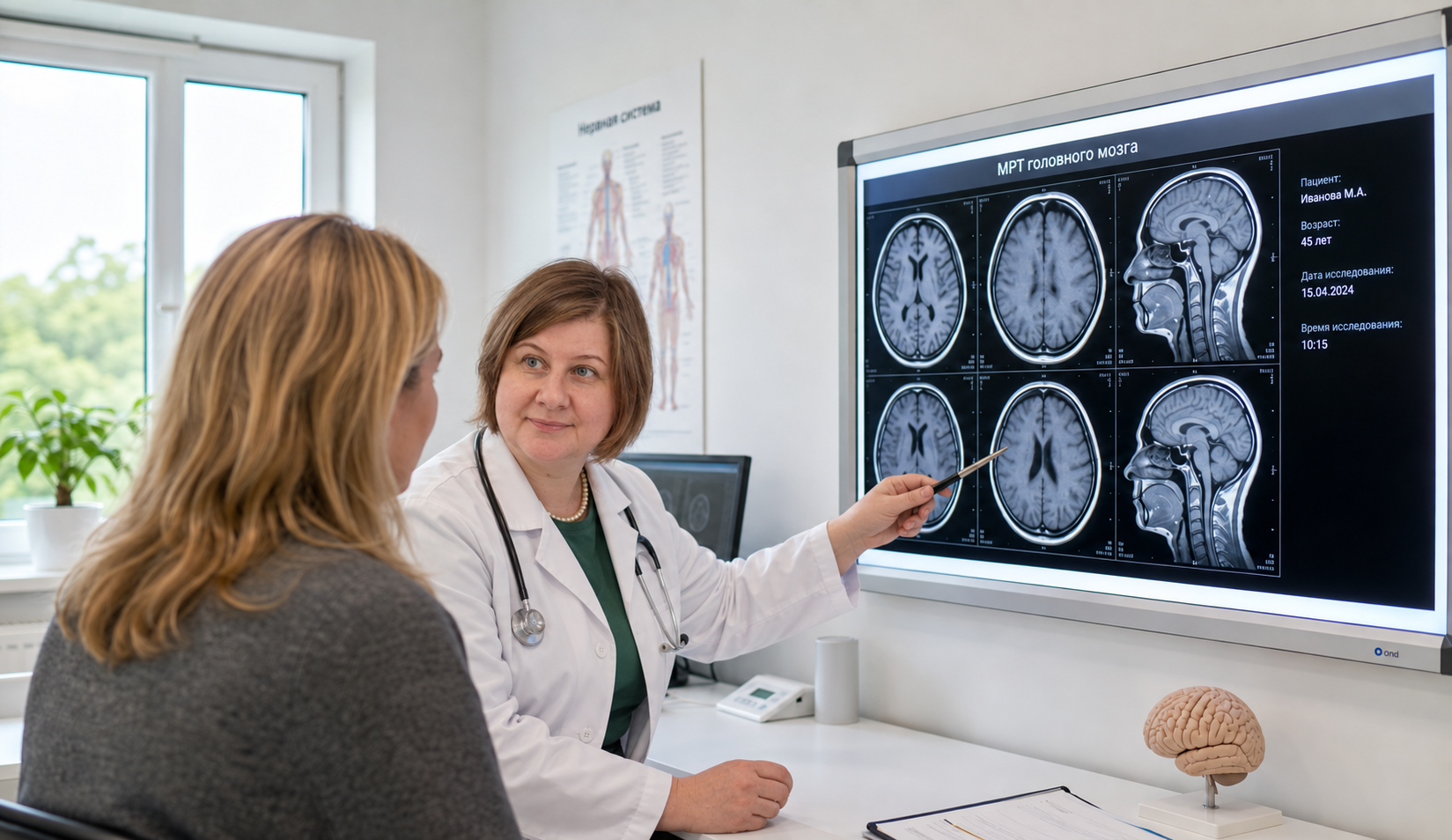
The first stage is a comprehensive examination of the body.
We go beyond simply making a diagnosis. It is crucial for us to understand how all body systems function, evaluate metabolic processes, inflammatory activity, immune status, gut and mitochondrial health, vitamin and trace element deficiencies, as well as other indicators that may influence the development of the disease.
It is high-quality diagnostics that forms the foundation of effective treatment.
What is included in the primary diagnostic list?
- Complete blood count (CBC)
- Biochemical blood test (total protein, lactate, bilirubin, urea, creatinine, ALT, AST, eosinophil cationic protein, NSE, S100, total IgE, TNF-alpha, C-reactive protein, rheumatoid factor)
- Urine organic acids — 60 parameters (urine)
- Amino acids — 48 parameters (blood)
- ASO (Antistreptolysin O)
- Human Herpesvirus 6 (HHV-6), quantitative
*Additional data may be required; the clinic administrators will provide you with more precise information.
Comprehensive diagnostics
The first stage is a comprehensive examination of the body.
We go beyond simply making a diagnosis. It is crucial for us to understand how all body systems function, evaluate metabolic processes, inflammatory activity, immune status, gut and mitochondrial health, vitamin and trace element deficiencies, as well as other indicators that may influence the development of the disease.
It is high-quality diagnostics that forms the foundation of effective treatment.
What is included in the primary diagnostic list?
- Complete blood count (CBC)
- Biochemical blood test (total protein, lactate, bilirubin, urea, creatinine, ALT, AST, eosinophil cationic protein, NSE, S100, total IgE, TNF-alpha, C-reactive protein, rheumatoid factor)
- Urine organic acids — 60 parameters (urine)
- Amino acids — 48 parameters (blood)
- ASO (Antistreptolysin O)
- Human Herpesvirus 6 (HHV-6), quantitative
*Additional data may be required; the clinic administrators will provide you with more precise information.
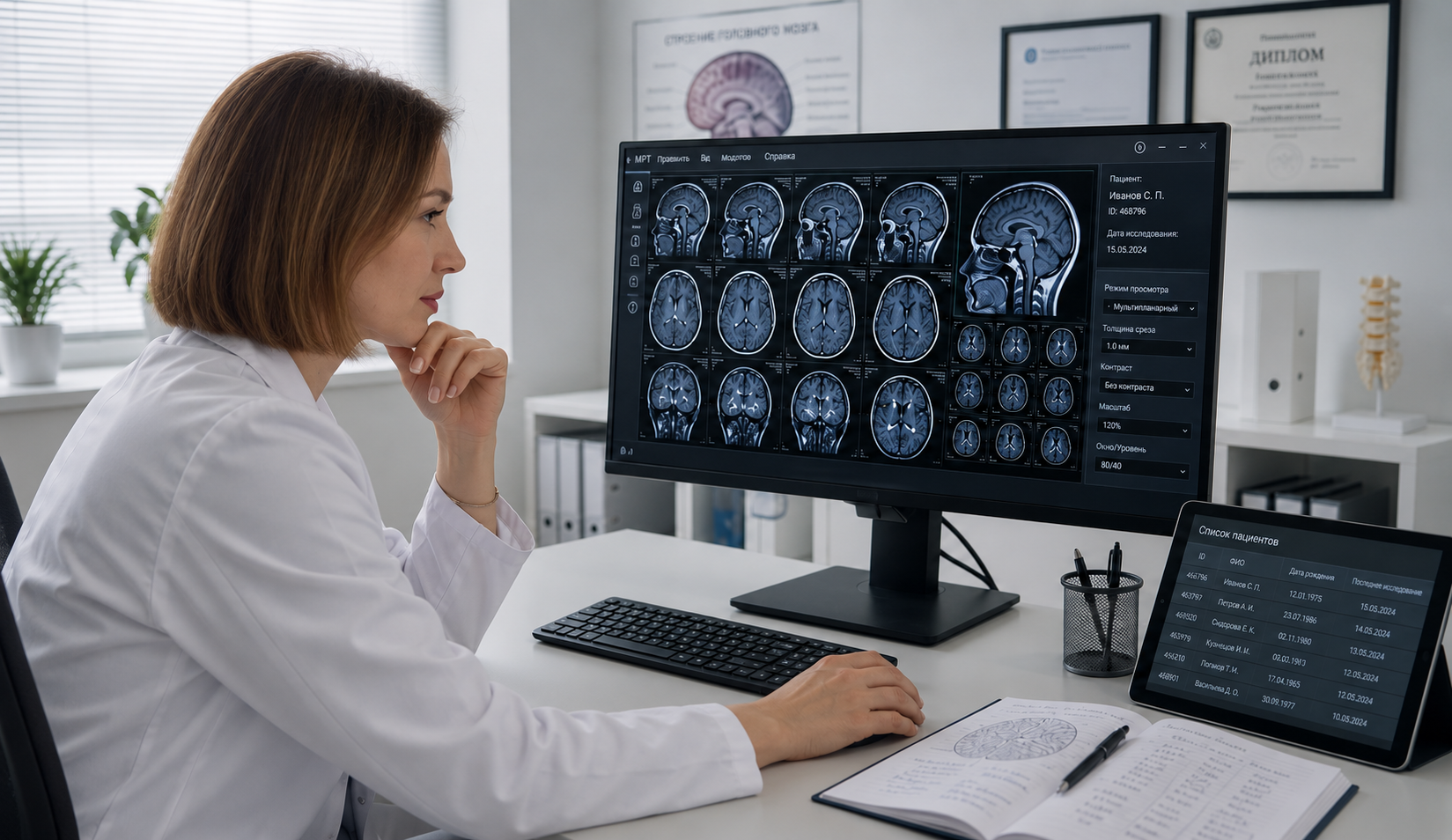
The exact same diagnosis can have completely different causes. Our task is to find the specific mechanism that led to the development of the illness in your particular case.
We analyze the examination results, medical history, and clinical picture to determine the root causes of the disease: chronic inflammation, metabolic disorders, mitochondrial dysfunction, toxic load, immune disorders, deficiency states, and other factors.
By addressing the cause, rather than just the symptoms, we create the foundation for sustainable results.
Identifying the cause of the disease
The exact same diagnosis can have completely different causes. Our task is to find the specific mechanism that led to the development of the illness in your particular case.
We analyze the examination results, medical history, and clinical picture to determine the root causes of the disease: chronic inflammation, metabolic disorders, mitochondrial dysfunction, toxic load, immune disorders, deficiency states, and other factors.
By addressing the cause, rather than just the symptoms, we create the foundation for sustainable results.

After establishing a complete clinical picture, the doctor develops a personalized treatment program.
Depending on the patient's condition, it may include:
- infusion therapy;
- dietary adjustments;
- ketogenic and metabolic programs;
- mitochondrial support;
- gut restoration;
- anti-inflammatory therapy;
- cellular technologies;
- nutritional support and other modern methods.
Each plan is created individually, taking into account age, diagnosis, examination results, and treatment goals.
Individualized treatment plan
After establishing a complete clinical picture, the doctor develops a personalized treatment program.
Depending on the patient's condition, it may include:
- infusion therapy;
- dietary adjustments;
- ketogenic and metabolic programs;
- mitochondrial support;
- gut restoration;
- anti-inflammatory therapy;
- cellular technologies;
- nutritional support and other modern methods.
Each plan is created individually, taking into account age, diagnosis, examination results, and treatment goals.
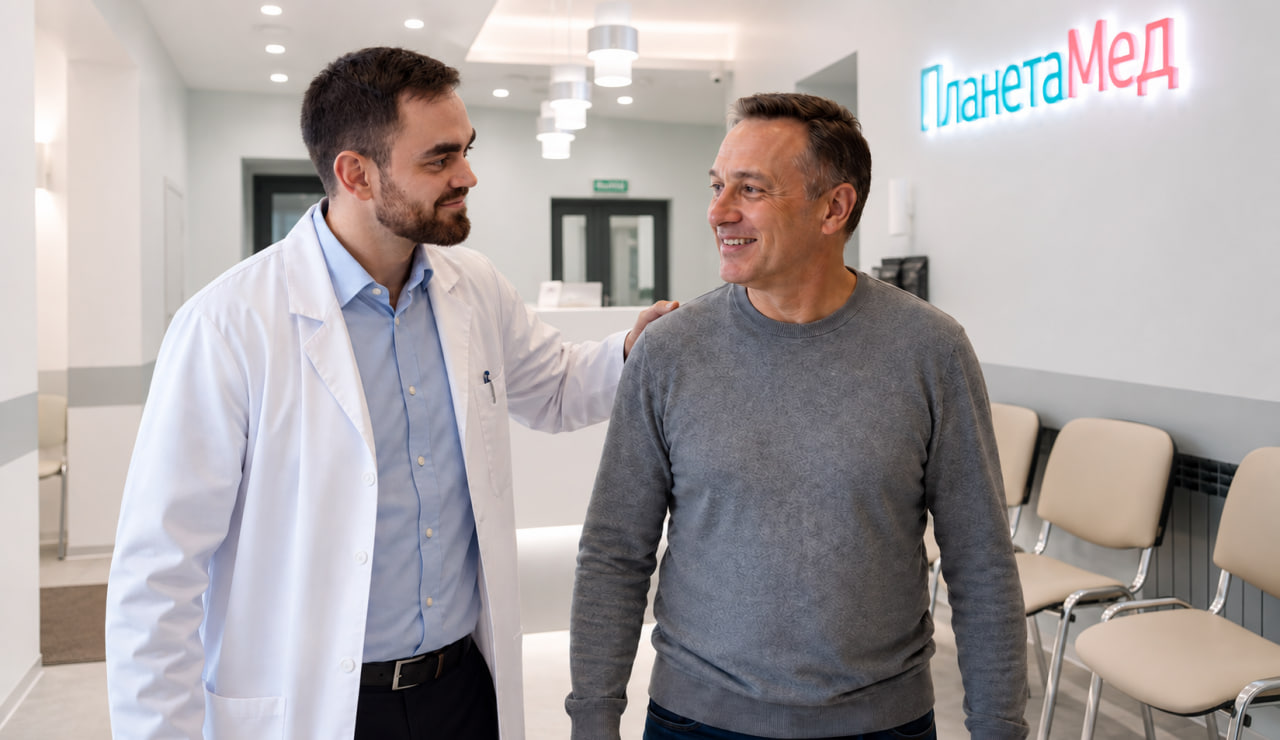
Treatment is a process that requires monitoring and timely adjustments.
Our specialists accompany the patient throughout the entire program: they evaluate progress, monitor health indicators, adjust prescriptions, and answer any questions that arise. This approach allows us to adapt the treatment in a timely manner and achieve the best possible results for each patient.
At PlanetaMed, we do not treat an isolated diagnosis — we work with the body as a whole, helping to restore its own resources and regain quality of life.
Support at all stages
Treatment is a process that requires monitoring and timely adjustments.
Our specialists accompany the patient throughout the entire program: they evaluate progress, monitor health indicators, adjust prescriptions, and answer any questions that arise. This approach allows us to adapt the treatment in a timely manner and achieve the best possible results for each patient.
At PlanetaMed, we do not treat an isolated diagnosis — we work with the body as a whole, helping to restore its own resources and regain quality of life.
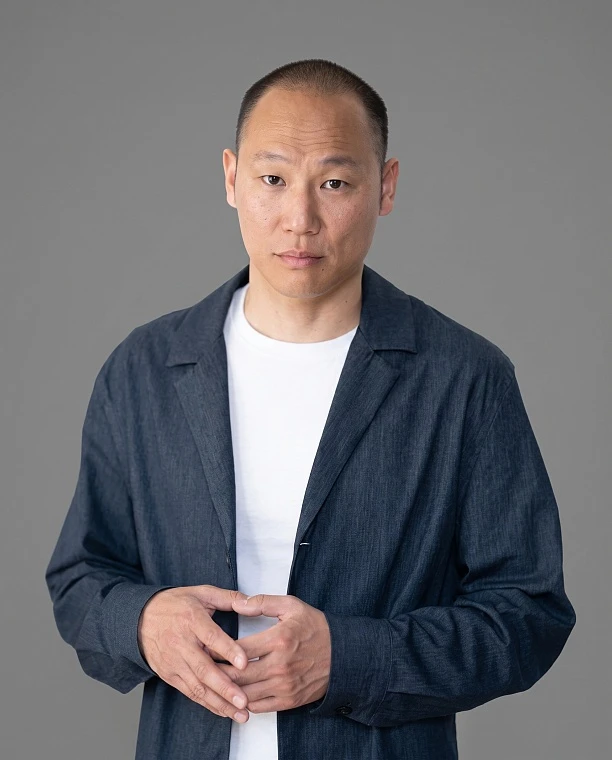
Anton Meliksovich
- Neurologist
- Epileptologist
- Integrative medicine specialist
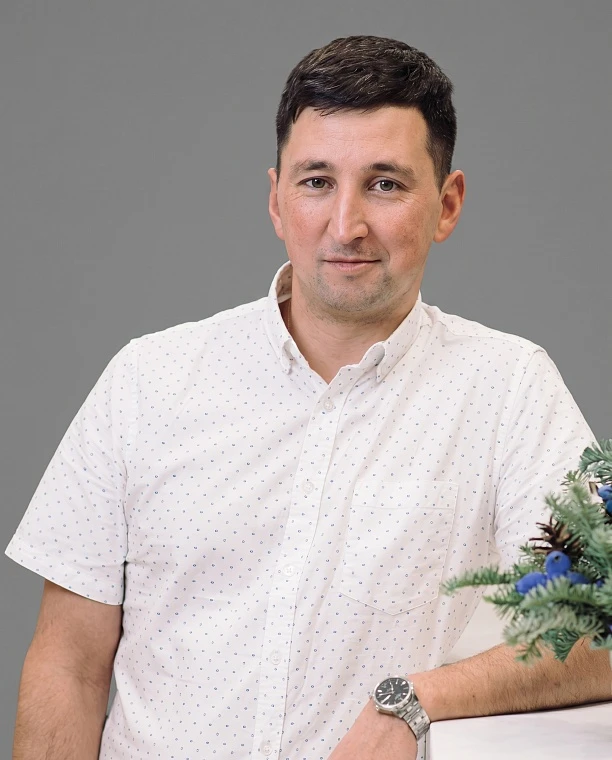
Timur Ruslanovich
- Neurologist
- Epileptologist
- Integrative medicine specialist
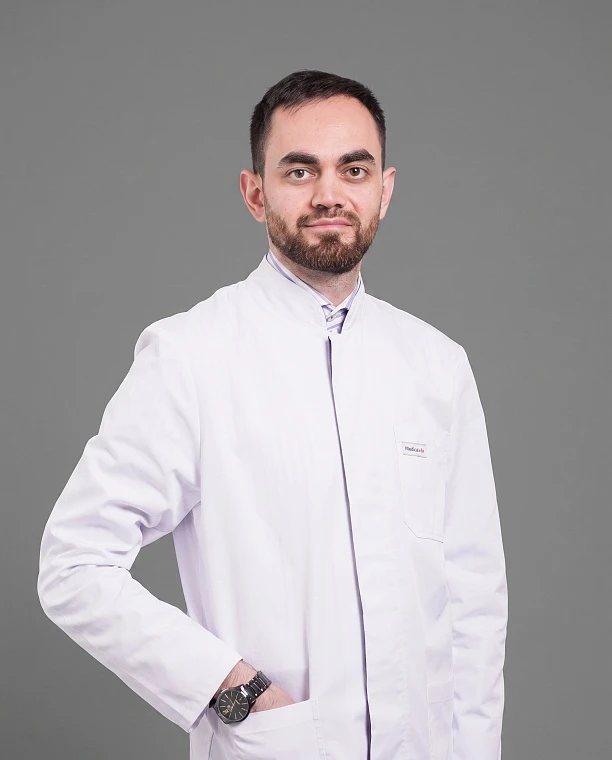
Latif Akifovich
- Neurologist-epileptologist
- Integrative medicine specialist
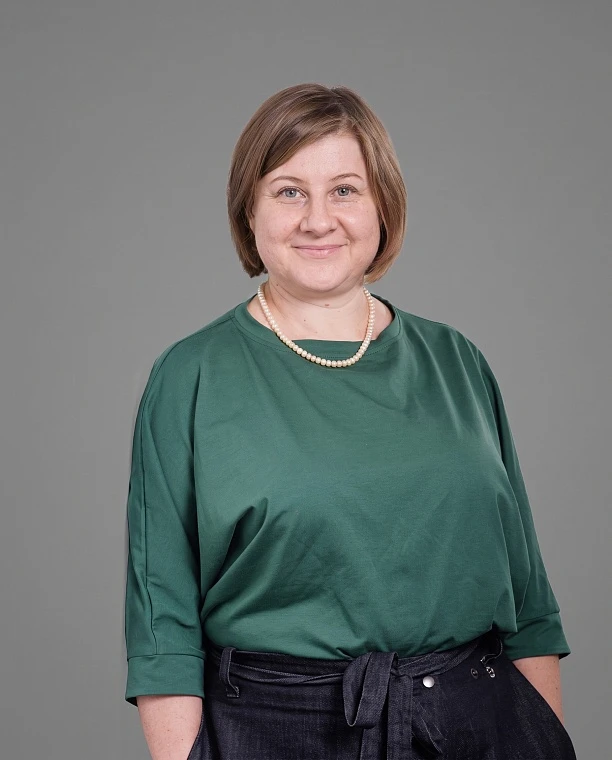
Yulia Vladimirovna
- Neurologist-epileptologist
- Neurologist
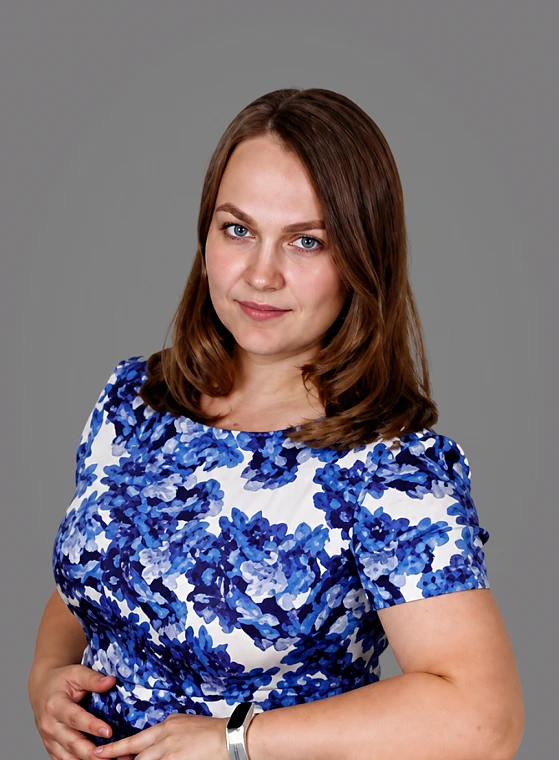
Anna Igorevna
- General Practitioner (Family Medicine)
- Neurologist
- Integrative medicine specialist