Mitochondrial dysfunction
The functionality of every organ and every cell is determined by a set of biochemical processes. And every biochemical reaction in the human body is an energy-consuming process. The more metabolically active a cell is, the greater the amount of energy it requires.
The energy supply of a cell depends on the number and performance of special organelles called mitochondria. One cell can contain from 200 to 2000 mitochondria; the largest number of mitochondria is found in skeletal and cardiac muscle cells, hepatocytes, and brain cells.
Naturally, in the absence of resources and "fuel," every cell will suffer and fail to perform its function; therefore, mitochondrial dysfunction leads to dysfunction and insufficiency of the cell and the organ as a whole.
The main task of mitochondria is the synthesis and resynthesis of macroergic compounds, i.e., molecules whose breakdown releases energy. The most important macroergic compound is the adenosine triphosphate (ATP) molecule.
The total energy supply resulting from the work of all mitochondria of all cells of the body is defined as "mitochondrial function," and the reduction of mitochondrial pool capacity, accordingly, is "mitochondrial dysfunction."
Impairment of mitochondrial function also includes primary mitochondrial pathology, a group of severe genetically mediated diseases that belong to the group of orphan diseases (link to the "Orphan Diseases" section).
Mitochondrial dysfunction is a clinical-laboratory phenomenon. The clinical picture and spectrum of complaints in mitochondrial dysfunction are extremely wide:
Mitochondrial dysfunction is not a metaphorical concept. Verification and determination of the degree of mitochondrial dysfunction development is carried out using metabolomic laboratory tests. (Link to the interpretation service).
From the perspective of biochemical processes, mitochondrial dysfunction can be:
According to the severity and duration of the process, acute compensatory mitochondrial dysfunction, subcompensated, and decompensated are distinguished.
Correction of mitochondrial dysfunction is a long and labor-intensive process of work by a team of specialists, which includes comprehensive metabolic and anti-inflammatory therapy, mandatory hormonal support, as well as specialized rehabilitation measures combined into the REMIT program, including hyperoxygenation, interval hypoxic therapy, and ozone therapy https://planetamed.ru/uslugi/remit/
More details about the significance of mitochondrial dysfunction in the development of neuroinflammation and psychoneurological disorders can be found in the lecture course on the Ketogenic Diet as the main part of metabolic and mitochondrial therapy https://planetamed.ru/category/lektoriy/ and in the lecture course on Neurobiochemistry and Immunology https://planetamed.ru/courses/neyrobiokhimiya-i-immunologiya-ras/
Results
of our work
4 months
How does treatment work at the "PlanetaMed" clinic?
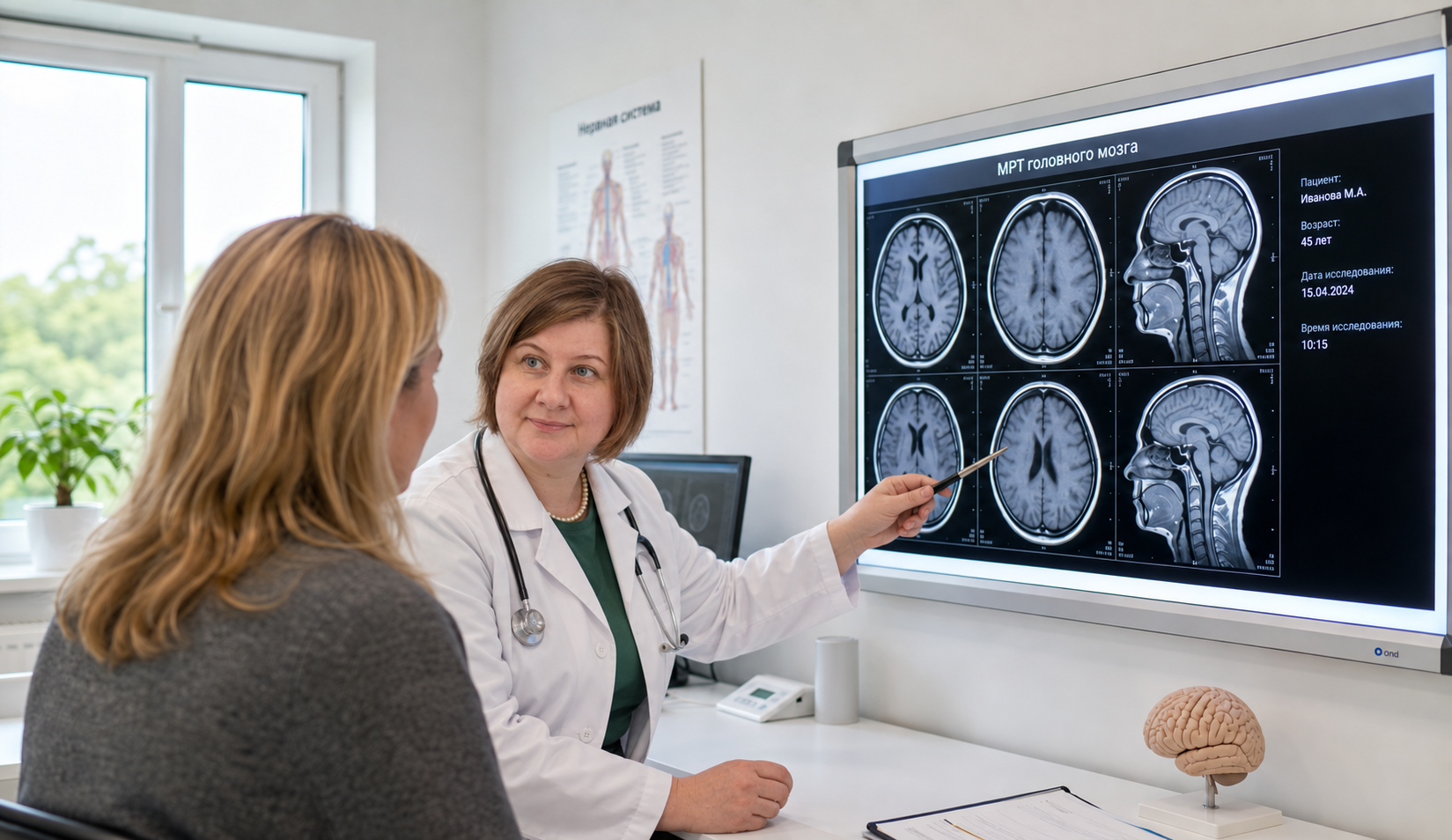
The first stage is a comprehensive examination of the body.
We go beyond simply making a diagnosis. It is crucial for us to understand how all body systems function, evaluate metabolic processes, inflammatory activity, immune status, gut and mitochondrial health, vitamin and trace element deficiencies, as well as other indicators that may influence the development of the disease.
It is high-quality diagnostics that forms the foundation of effective treatment.
What is included in the primary diagnostic list?
- Complete blood count (CBC)
- Biochemical blood test (total protein, lactate, bilirubin, urea, creatinine, ALT, AST, eosinophil cationic protein, NSE, S100, total IgE, TNF-alpha, C-reactive protein, rheumatoid factor)
- Urine organic acids — 60 parameters (urine)
- Amino acids — 48 parameters (blood)
- ASO (Antistreptolysin O)
- Human Herpesvirus 6 (HHV-6), quantitative
*Additional data may be required; the clinic administrators will provide you with more precise information.
Comprehensive diagnostics
The first stage is a comprehensive examination of the body.
We go beyond simply making a diagnosis. It is crucial for us to understand how all body systems function, evaluate metabolic processes, inflammatory activity, immune status, gut and mitochondrial health, vitamin and trace element deficiencies, as well as other indicators that may influence the development of the disease.
It is high-quality diagnostics that forms the foundation of effective treatment.
What is included in the primary diagnostic list?
- Complete blood count (CBC)
- Biochemical blood test (total protein, lactate, bilirubin, urea, creatinine, ALT, AST, eosinophil cationic protein, NSE, S100, total IgE, TNF-alpha, C-reactive protein, rheumatoid factor)
- Urine organic acids — 60 parameters (urine)
- Amino acids — 48 parameters (blood)
- ASO (Antistreptolysin O)
- Human Herpesvirus 6 (HHV-6), quantitative
*Additional data may be required; the clinic administrators will provide you with more precise information.
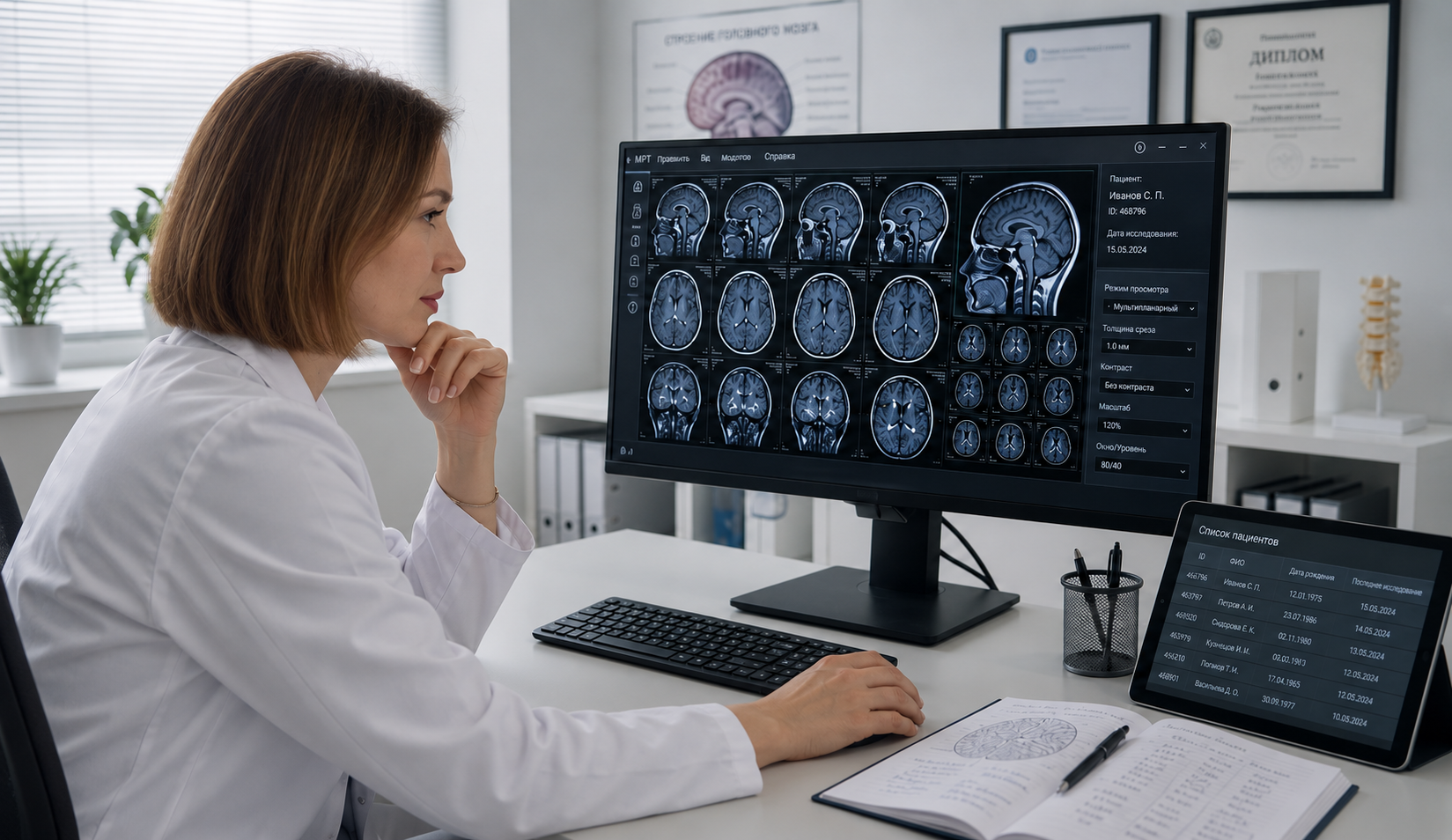
The exact same diagnosis can have completely different causes. Our task is to find the specific mechanism that led to the development of the illness in your particular case.
We analyze the examination results, medical history, and clinical picture to determine the root causes of the disease: chronic inflammation, metabolic disorders, mitochondrial dysfunction, toxic load, immune disorders, deficiency states, and other factors.
By addressing the cause, rather than just the symptoms, we create the foundation for sustainable results.
Identifying the cause of the disease
The exact same diagnosis can have completely different causes. Our task is to find the specific mechanism that led to the development of the illness in your particular case.
We analyze the examination results, medical history, and clinical picture to determine the root causes of the disease: chronic inflammation, metabolic disorders, mitochondrial dysfunction, toxic load, immune disorders, deficiency states, and other factors.
By addressing the cause, rather than just the symptoms, we create the foundation for sustainable results.

After establishing a complete clinical picture, the doctor develops a personalized treatment program.
Depending on the patient's condition, it may include:
- infusion therapy;
- dietary adjustments;
- ketogenic and metabolic programs;
- mitochondrial support;
- gut restoration;
- anti-inflammatory therapy;
- cellular technologies;
- nutritional support and other modern methods.
Each plan is created individually, taking into account age, diagnosis, examination results, and treatment goals.
Individualized treatment plan
After establishing a complete clinical picture, the doctor develops a personalized treatment program.
Depending on the patient's condition, it may include:
- infusion therapy;
- dietary adjustments;
- ketogenic and metabolic programs;
- mitochondrial support;
- gut restoration;
- anti-inflammatory therapy;
- cellular technologies;
- nutritional support and other modern methods.
Each plan is created individually, taking into account age, diagnosis, examination results, and treatment goals.
Treatment is a process that requires monitoring and timely adjustments.
Our specialists accompany the patient throughout the entire program: they evaluate progress, monitor health indicators, adjust prescriptions, and answer any questions that arise. This approach allows us to adapt the treatment in a timely manner and achieve the best possible results for each patient.
At PlanetaMed, we do not treat an isolated diagnosis — we work with the body as a whole, helping to restore its own resources and regain quality of life.
Support at all stages
Treatment is a process that requires monitoring and timely adjustments.
Our specialists accompany the patient throughout the entire program: they evaluate progress, monitor health indicators, adjust prescriptions, and answer any questions that arise. This approach allows us to adapt the treatment in a timely manner and achieve the best possible results for each patient.
At PlanetaMed, we do not treat an isolated diagnosis — we work with the body as a whole, helping to restore its own resources and regain quality of life.
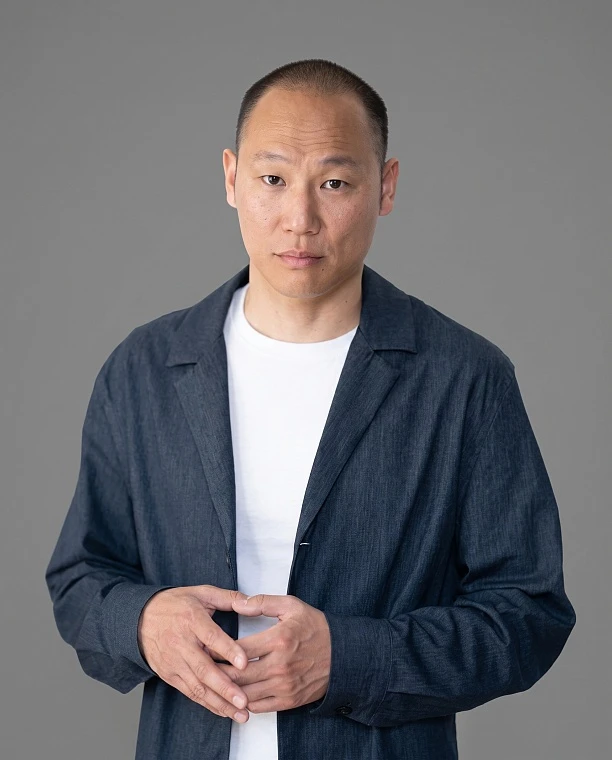
Anton Meliksovich
- Neurologist
- Epileptologist
- Integrative medicine specialist
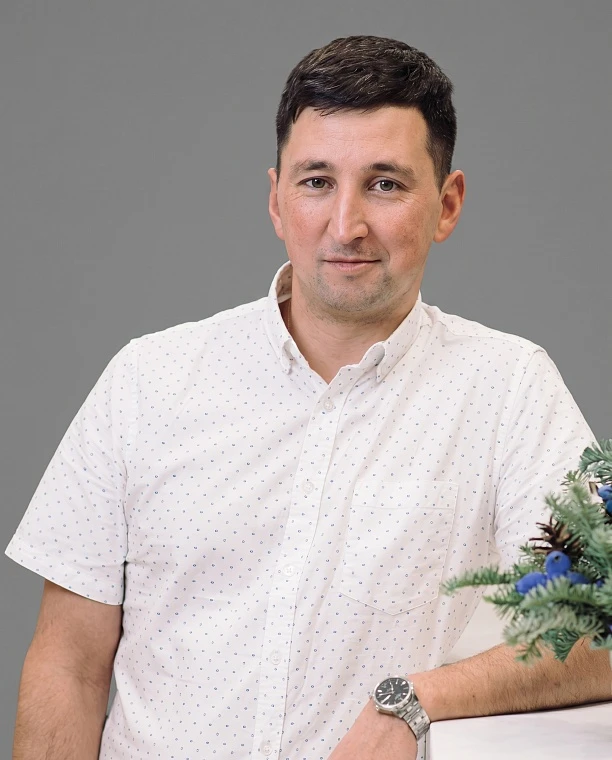
Timur Ruslanovich
- Neurologist
- Epileptologist
- Integrative medicine specialist
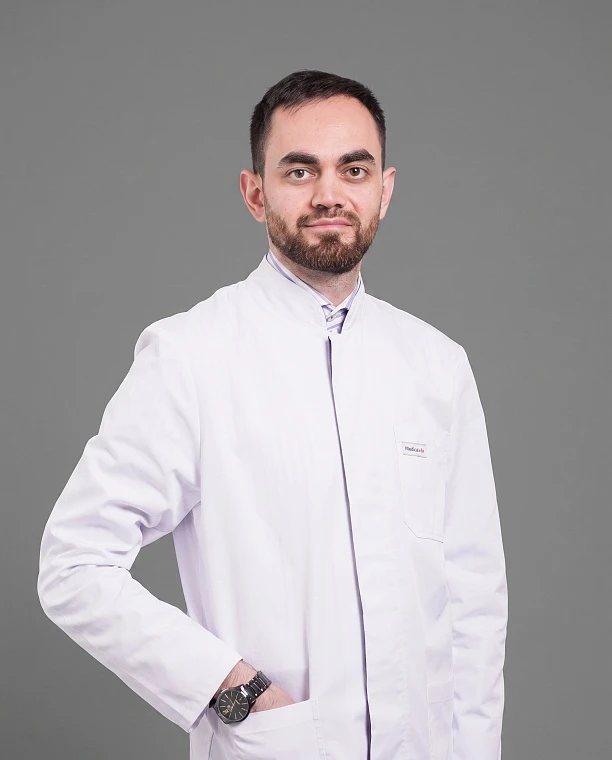
Latif Akifovich
- Neurologist-epileptologist
- Integrative medicine specialist
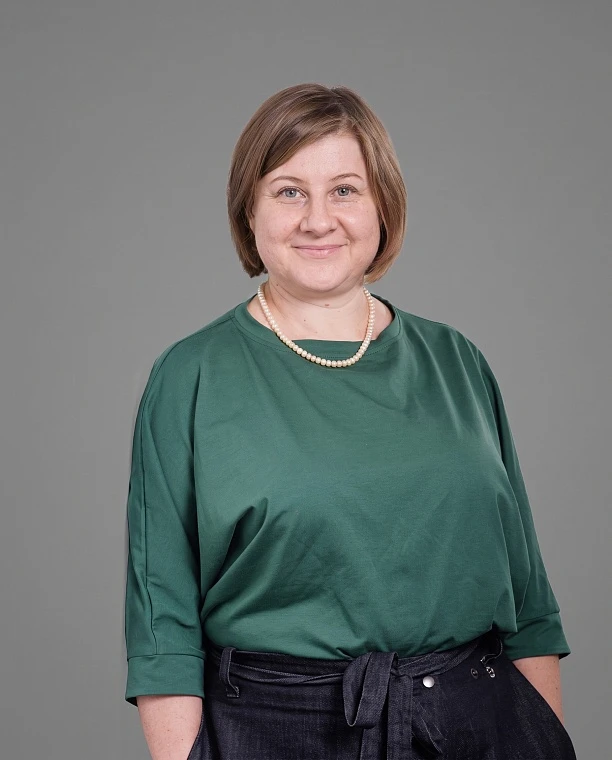
Yulia Vladimirovna
- Neurologist-epileptologist
- Neurologist
Anna Igorevna
- General Practitioner (Family Medicine)
- Neurologist
- Integrative medicine specialist