Orphan diseases
All known diseases can be classified by their frequency of occurrence in the population. Common diseases affect a huge number of people annually, and accordingly, teams of scientific researchers, healthcare organizers, pharmaceutical companies, and directly practicing clinicians are involved in the development of their diagnostic, therapeutic, and preventive strategies.
However, not all diseases are encountered in a doctor's routine practice every day; there is a practically separate branch of medicine that studies rare diseases. These diseases are also called orphan diseases – from the word "orphan." Orphan diseases are considered to be those occurring less than 1 case per 2000, which corresponds to the concept of "low prevalence in the population."
The list of rare diseases in the Russian Federation includes 215 diseases, but the identification of these diseases requires diagnostic tests, including genetic studies.
https://static-0.minzdrav.gov.ru/system/attachments/attaches/000/059/514/original/Перечень_редких_%28орфанных%29_заболеваний_от_31_марта_2022_года.pdf
One of the necessary measures for identifying orphan diseases is neonatal screening – mass examination of newborns. Previously, screening for 5 diseases was mandatory in the Russian Federation; since January 1, 2023, neonatal screening in perinatal centers and maternity hospitals of the Russian Federation has been conducted for 36 congenital diseases.
Nevertheless, there are at least 500 metabolic disorders alone that are not included in the neonatal screening list.
The greatest difficulty in working with orphan diseases lies in the polymorphic, often subtle clinical picture, a low percentage of disease detection, and the extremely limited availability of orphan medicinal products.
Required list of studies:
(Link to interpretation of metabolic studies)
The vast majority of rare diseases are genetically mediated, and therefore cannot be completely cured and remain with the person for life, but they can and must be stabilized and brought into a state of compensation. However, patient prognosis is directly correlated with the timing of diagnosis and the initiation of specific treatment.
Our clinic provides observation and treatment for children with congenital metabolic disorders and rare hereditary pathologies.
Mitochondrial pathology is a group of hereditary diseases resulting from gross disorders of cellular energy metabolism and manifests with a polymorphic clinical picture, predominantly affecting the central nervous system, skeletal muscles, as well as a number of systemic manifestations.
Depending on the leading metabolic defect, four groups of mitochondrial diseases are considered:
The genetic aspects of mitochondrial diseases differ significantly from classical principles of hereditary diseases: maternal inheritance, heteroplasmy, and mitotic segregation. Mitochondrial DNA accumulates mutations 10 times faster than nuclear genomic DNA, as it lacks typical protective mechanisms.
The same set of mutations can lead to the development of different symptomatic pictures; for example, mutation A3243G leads to the development of encephalopathy with stroke-like paroxysms – classic MELAS syndrome, and can also lead to the development of chronic progressive external ophthalmoplegia or diabetes mellitus. At the same time, mutations in different genes can lead to the development of a similar clinical picture.
Major hereditary mitochondrial diseases and clinical syndromes:
Treatment of hereditary mitochondrial pathology is always the work of a council of doctors (geneticist, neurologist, pediatrician, and others).
Despite experience and a number of studied patterns, the therapy of orphan diseases is always a strictly personalized selection of therapeutic and rehabilitation measures, including:
Орфанные заболевания — это редкие медицинские патологии, которые затрагивают очень небольшую часть населения. Слово происходит от английского orphan disease («сиротское» заболевание). Название возникло потому, что из-за малой распространенности фармкомпаниям долгое время было невыгодно разрабатывать для них лекарства.
How does treatment work at the "PlanetaMed" clinic?
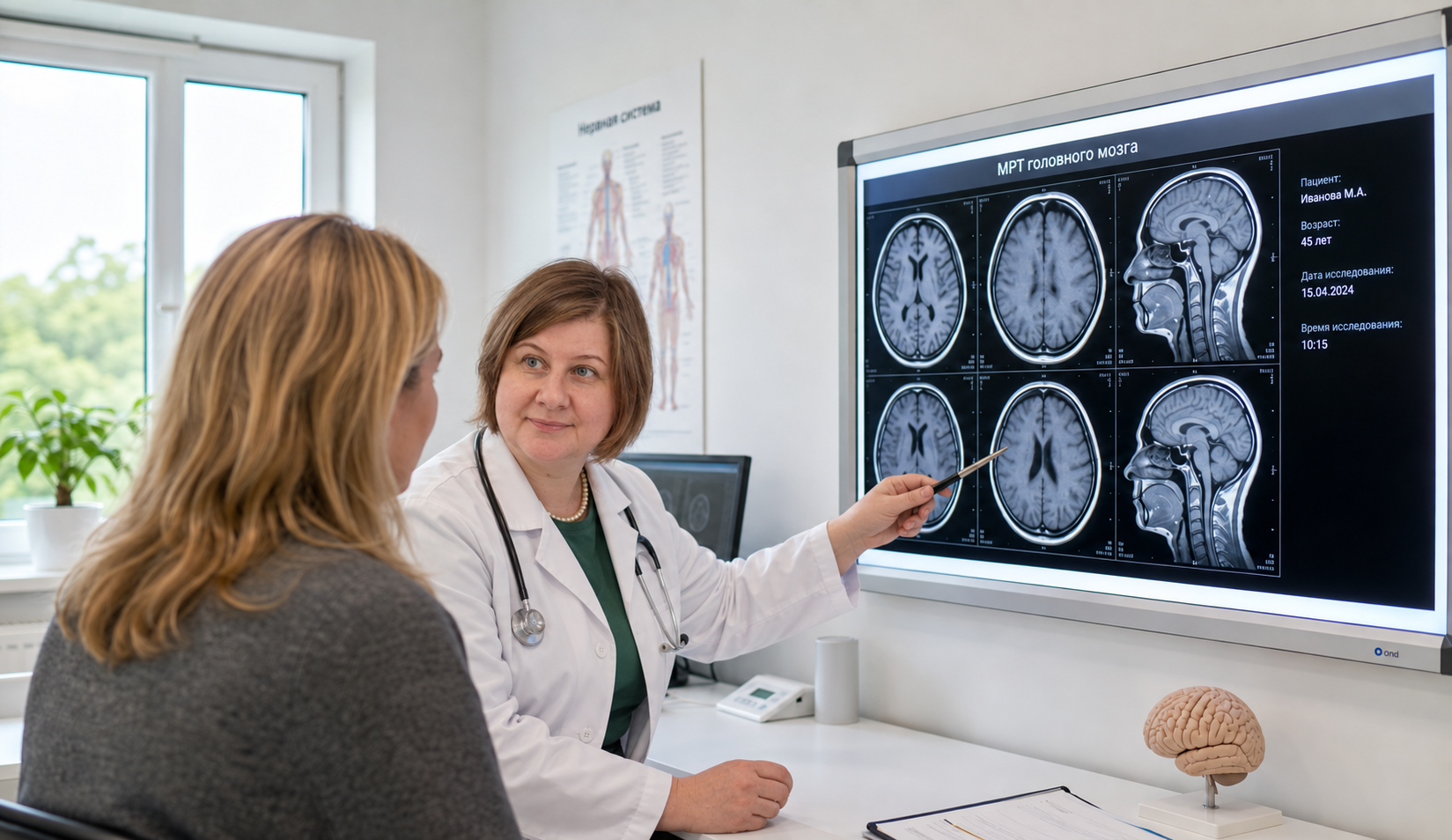
The first stage is a comprehensive examination of the body.
We go beyond simply making a diagnosis. It is crucial for us to understand how all body systems function, evaluate metabolic processes, inflammatory activity, immune status, gut and mitochondrial health, vitamin and trace element deficiencies, as well as other indicators that may influence the development of the disease.
It is high-quality diagnostics that forms the foundation of effective treatment.
What is included in the primary diagnostic list?
- Complete blood count (CBC)
- Biochemical blood test (total protein, lactate, bilirubin, urea, creatinine, ALT, AST, eosinophil cationic protein, NSE, S100, total IgE, TNF-alpha, C-reactive protein, rheumatoid factor)
- Urine organic acids — 60 parameters (urine)
- Amino acids — 48 parameters (blood)
- ASO (Antistreptolysin O)
- Human Herpesvirus 6 (HHV-6), quantitative
*Additional data may be required; the clinic administrators will provide you with more precise information.
Comprehensive diagnostics
The first stage is a comprehensive examination of the body.
We go beyond simply making a diagnosis. It is crucial for us to understand how all body systems function, evaluate metabolic processes, inflammatory activity, immune status, gut and mitochondrial health, vitamin and trace element deficiencies, as well as other indicators that may influence the development of the disease.
It is high-quality diagnostics that forms the foundation of effective treatment.
What is included in the primary diagnostic list?
- Complete blood count (CBC)
- Biochemical blood test (total protein, lactate, bilirubin, urea, creatinine, ALT, AST, eosinophil cationic protein, NSE, S100, total IgE, TNF-alpha, C-reactive protein, rheumatoid factor)
- Urine organic acids — 60 parameters (urine)
- Amino acids — 48 parameters (blood)
- ASO (Antistreptolysin O)
- Human Herpesvirus 6 (HHV-6), quantitative
*Additional data may be required; the clinic administrators will provide you with more precise information.
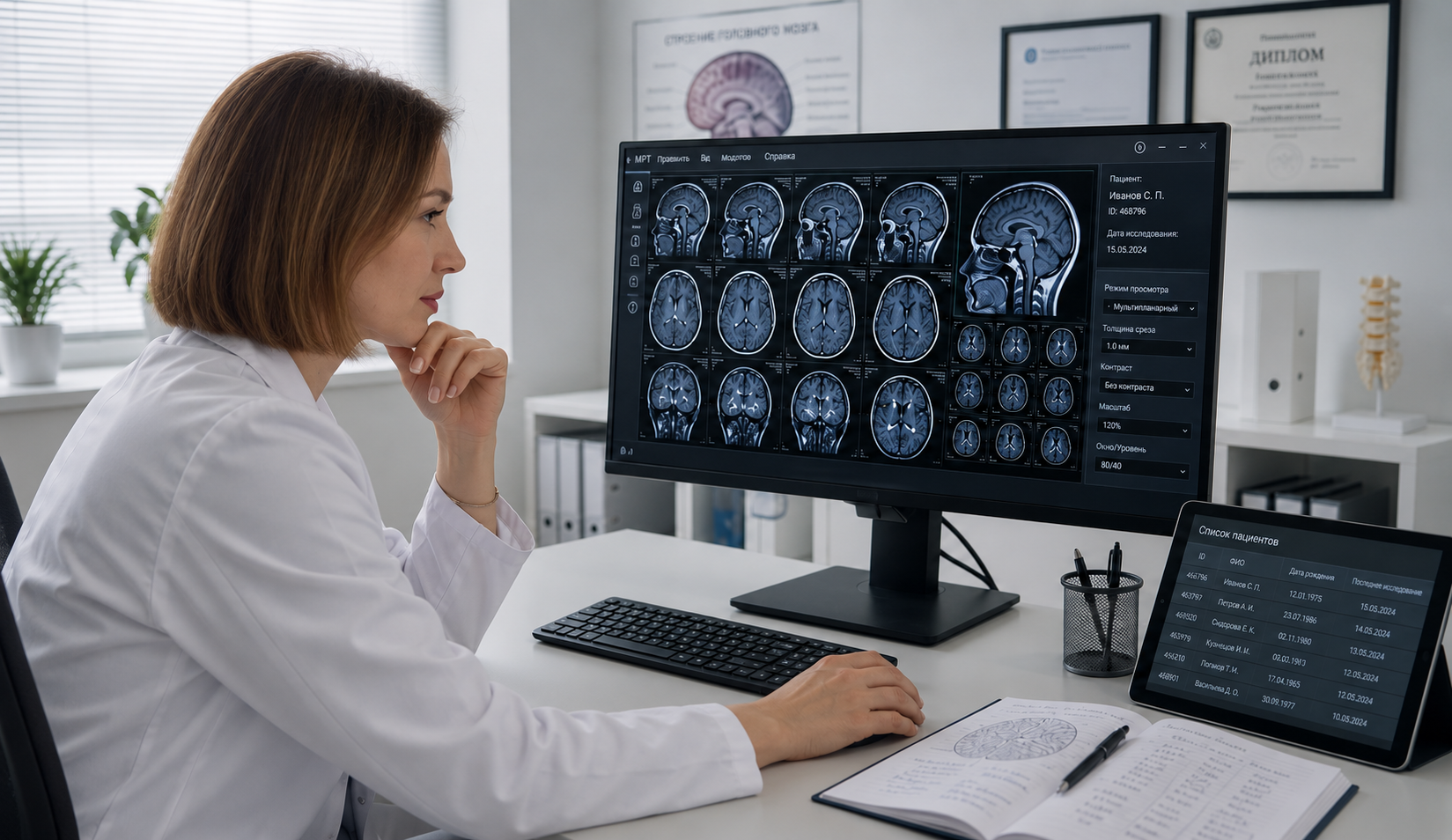
The exact same diagnosis can have completely different causes. Our task is to find the specific mechanism that led to the development of the illness in your particular case.
We analyze the examination results, medical history, and clinical picture to determine the root causes of the disease: chronic inflammation, metabolic disorders, mitochondrial dysfunction, toxic load, immune disorders, deficiency states, and other factors.
By addressing the cause, rather than just the symptoms, we create the foundation for sustainable results.
Identifying the cause of the disease
The exact same diagnosis can have completely different causes. Our task is to find the specific mechanism that led to the development of the illness in your particular case.
We analyze the examination results, medical history, and clinical picture to determine the root causes of the disease: chronic inflammation, metabolic disorders, mitochondrial dysfunction, toxic load, immune disorders, deficiency states, and other factors.
By addressing the cause, rather than just the symptoms, we create the foundation for sustainable results.

After establishing a complete clinical picture, the doctor develops a personalized treatment program.
Depending on the patient's condition, it may include:
- infusion therapy;
- dietary adjustments;
- ketogenic and metabolic programs;
- mitochondrial support;
- gut restoration;
- anti-inflammatory therapy;
- cellular technologies;
- nutritional support and other modern methods.
Each plan is created individually, taking into account age, diagnosis, examination results, and treatment goals.
Individualized treatment plan
After establishing a complete clinical picture, the doctor develops a personalized treatment program.
Depending on the patient's condition, it may include:
- infusion therapy;
- dietary adjustments;
- ketogenic and metabolic programs;
- mitochondrial support;
- gut restoration;
- anti-inflammatory therapy;
- cellular technologies;
- nutritional support and other modern methods.
Each plan is created individually, taking into account age, diagnosis, examination results, and treatment goals.
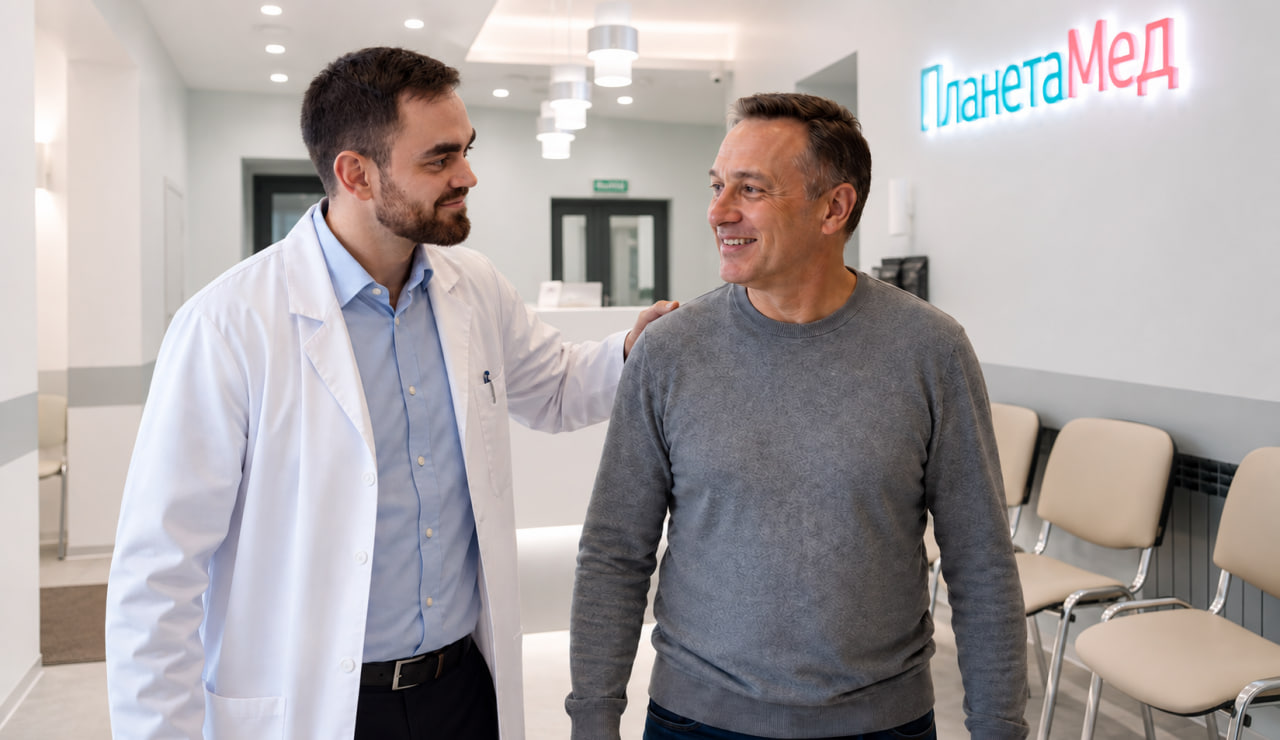
Treatment is a process that requires monitoring and timely adjustments.
Our specialists accompany the patient throughout the entire program: they evaluate progress, monitor health indicators, adjust prescriptions, and answer any questions that arise. This approach allows us to adapt the treatment in a timely manner and achieve the best possible results for each patient.
At PlanetaMed, we do not treat an isolated diagnosis — we work with the body as a whole, helping to restore its own resources and regain quality of life.
Support at all stages
Treatment is a process that requires monitoring and timely adjustments.
Our specialists accompany the patient throughout the entire program: they evaluate progress, monitor health indicators, adjust prescriptions, and answer any questions that arise. This approach allows us to adapt the treatment in a timely manner and achieve the best possible results for each patient.
At PlanetaMed, we do not treat an isolated diagnosis — we work with the body as a whole, helping to restore its own resources and regain quality of life.
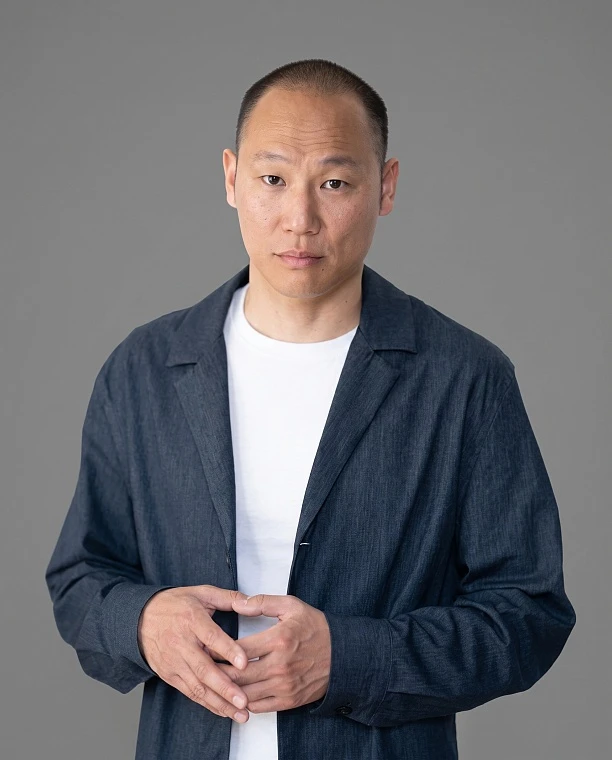
Anton Meliksovich
- Neurologist
- Epileptologist
- Integrative medicine specialist
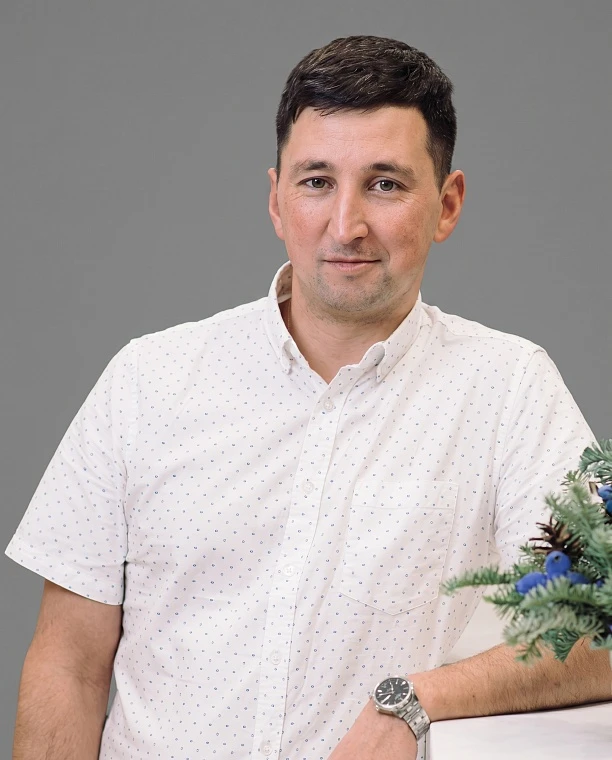
Timur Ruslanovich
- Neurologist
- Epileptologist
- Integrative medicine specialist
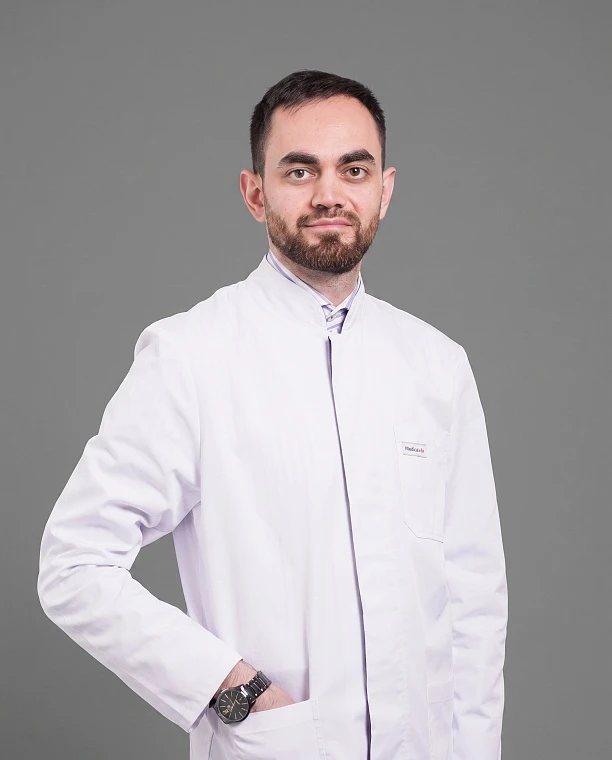
Latif Akifovich
- Neurologist-epileptologist
- Integrative medicine specialist
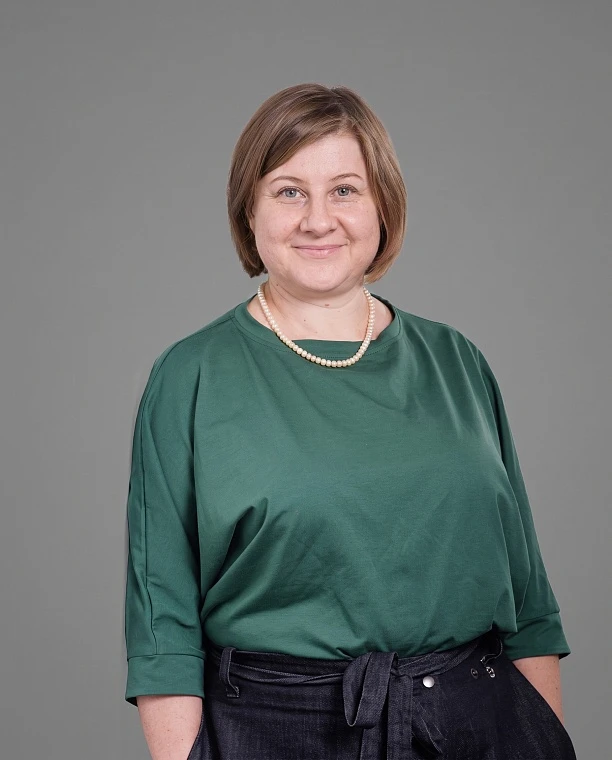
Yulia Vladimirovna
- Neurologist-epileptologist
- Neurologist
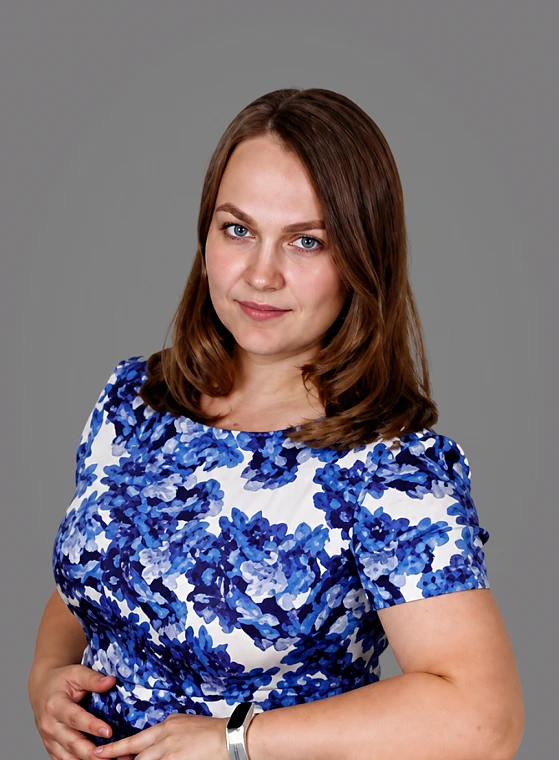
Anna Igorevna
- General Practitioner (Family Medicine)
- Neurologist
- Integrative medicine specialist