Multiple sclerosis
Multiple sclerosis is an autoimmune disease of the central nervous system, which manifests as damage to the myelin sheath of neurons in the brain and spinal cord.
Clinical manifestations of multiple sclerosis include the periodic appearance of focal neurological symptoms, which may be visual impairment, gait disturbance, coordination problems, hearing loss, numbness in various parts of the body, and other symptoms associated with focal nerve damage in the corresponding areas of the brain and spinal cord. An exacerbation lasts several days and is treated with anti-inflammatory hormonal therapy.
Depending on the nature of the disease course, several types of MS are distinguished – relapsing-remitting, primary-progressive, and secondary-progressive.
Conceptually, these types differ only in the degree of clinical recovery after exacerbations (complete or partial) and the rate of disability – that is, the appearance of difficulties in self-care, walking, speech, etc.
The diagnosis of multiple sclerosis is established based on clinical manifestations, frequency of exacerbations, MRI results, and laboratory tests.
On MRI in multiple sclerosis, foci of demyelination are found – areas of damage to the myelin sheaths of neurons. The MRI picture may differ from the clinical state. That is, with an increase in the number of foci on MRI, a relatively stable clinical picture may be observed, and conversely, during clinical exacerbation, a relatively good MRI picture may be noted, meaning that up to a certain stage, changes in neuronal myelination may be reversible.
Laboratory tests allow assessment of the degree of immune system tension, the level of inflammation in the body, which then allows evaluation of the results of the therapy being administered.
Standard treatment of multiple sclerosis is carried out according to protocols. The protocol for treating exacerbations is pulse therapy with corticosteroids. For prevention of exacerbations, disease-modifying therapies (DMTs) are prescribed – drugs that modify the course of multiple sclerosis. They are divided into 2 groups – immunosuppressive drugs, that is, those suppressing immune system activity to reduce its attacks on the body's own tissues, and immunoreplacement therapy drugs – interferons of various classes.
The effectiveness of DMTs is individual; in general, they may somewhat reduce the frequency of exacerbations, but they do not affect the cause of MS development.
Classical literature does not take into account the cause of immune irritation, which secondarily produces immune complexes and pro-inflammatory substances that contribute to neuronal damage. However, patients know that any cold or intestinal infection can become a trigger for MS exacerbation.
In our practice, we try to use DMTs only in extreme cases; the basis of therapy in our clinic is systemic antigenic unloading, increasing the density of protective biological membranes of the body, and correction of hormonal, vitamin, and micronutrient status to increase the body's resistance to possible immune system triggers.
Therefore, laboratory diagnostics include a detailed assessment of immune status, viral, bacterial, fungal, and parasitic load, assessment of hormonal status, and the state of the detoxification system.
Treatment for each patient is selected individually depending on their immune status, the number and localization of foci of extracerebral inflammation, and changes in their microbiota.
A mandatory point in the treatment of multiple sclerosis is dietary correction, predominantly a high-fat ketogenic diet is used. It helps reduce inflammation, strengthen brain membranes, and promote remyelination of neurons. The introduction of the ketogenic diet at the clinic is carried out through the KETOMIT program.
Detailed information about integrative treatment of multiple sclerosis can be heard in our lecture.
After the inflammatory processes are controlled, drugs that promote remyelination are prescribed, and the REMIT program is conducted.
The use of systemic therapy for multiple sclerosis, taking into account the individual state of the body and eliminating the causes that cause overstrain of the immune system, allows achieving prevention of exacerbations and promoting the restoration of already damaged cells of the nervous system.
How does treatment work at the "PlanetaMed" clinic?
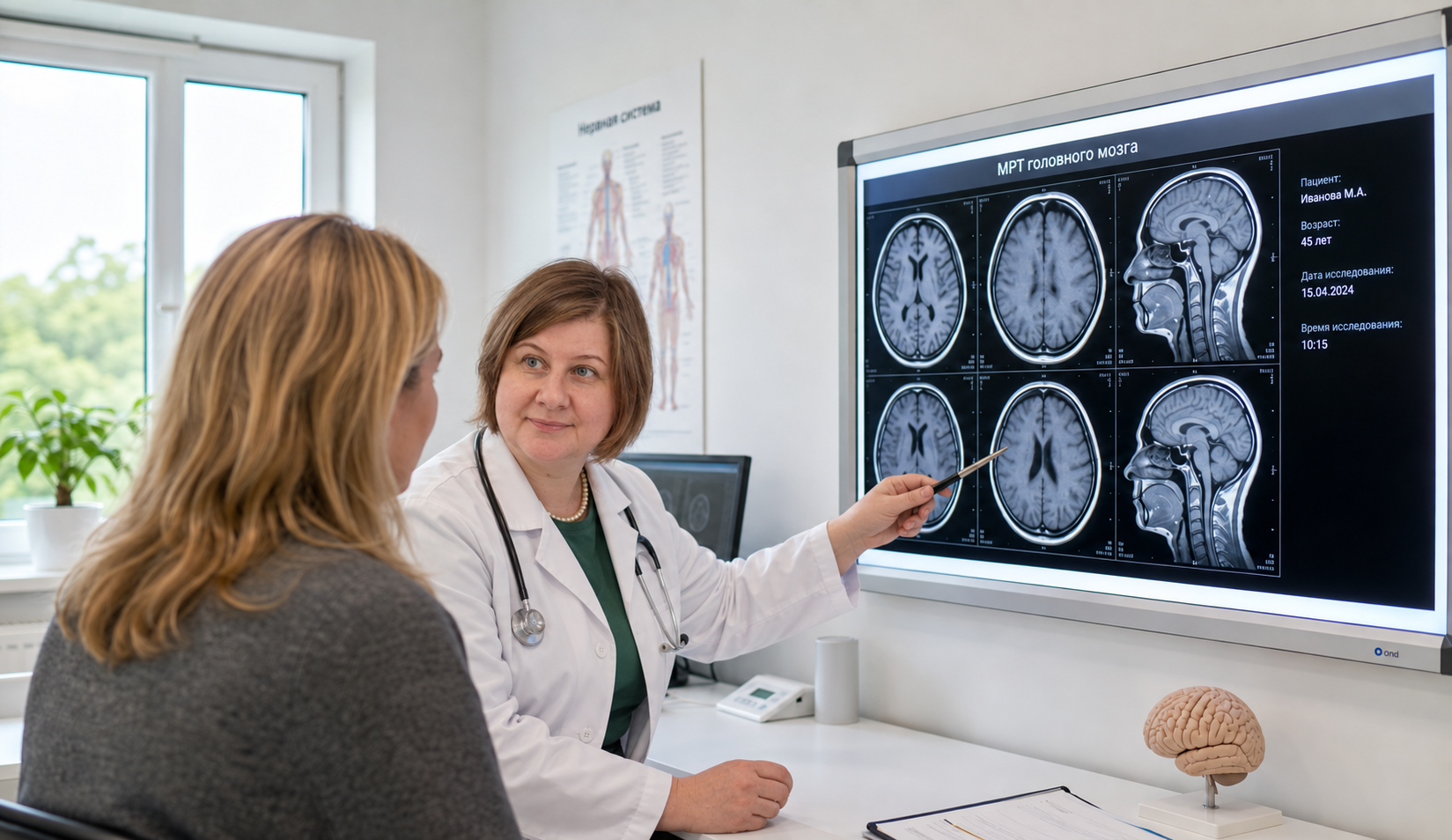
The first stage is a comprehensive examination of the body.
We go beyond simply making a diagnosis. It is crucial for us to understand how all body systems function, evaluate metabolic processes, inflammatory activity, immune status, gut and mitochondrial health, vitamin and trace element deficiencies, as well as other indicators that may influence the development of the disease.
It is high-quality diagnostics that forms the foundation of effective treatment.
What is included in the primary diagnostic list?
- Complete blood count (CBC)
- Biochemical blood test (total protein, lactate, bilirubin, urea, creatinine, ALT, AST, eosinophil cationic protein, NSE, S100, total IgE, TNF-alpha, C-reactive protein, rheumatoid factor)
- Urine organic acids — 60 parameters (urine)
- Amino acids — 48 parameters (blood)
- ASO (Antistreptolysin O)
- Human Herpesvirus 6 (HHV-6), quantitative
*Additional data may be required; the clinic administrators will provide you with more precise information.
Comprehensive diagnostics
The first stage is a comprehensive examination of the body.
We go beyond simply making a diagnosis. It is crucial for us to understand how all body systems function, evaluate metabolic processes, inflammatory activity, immune status, gut and mitochondrial health, vitamin and trace element deficiencies, as well as other indicators that may influence the development of the disease.
It is high-quality diagnostics that forms the foundation of effective treatment.
What is included in the primary diagnostic list?
- Complete blood count (CBC)
- Biochemical blood test (total protein, lactate, bilirubin, urea, creatinine, ALT, AST, eosinophil cationic protein, NSE, S100, total IgE, TNF-alpha, C-reactive protein, rheumatoid factor)
- Urine organic acids — 60 parameters (urine)
- Amino acids — 48 parameters (blood)
- ASO (Antistreptolysin O)
- Human Herpesvirus 6 (HHV-6), quantitative
*Additional data may be required; the clinic administrators will provide you with more precise information.
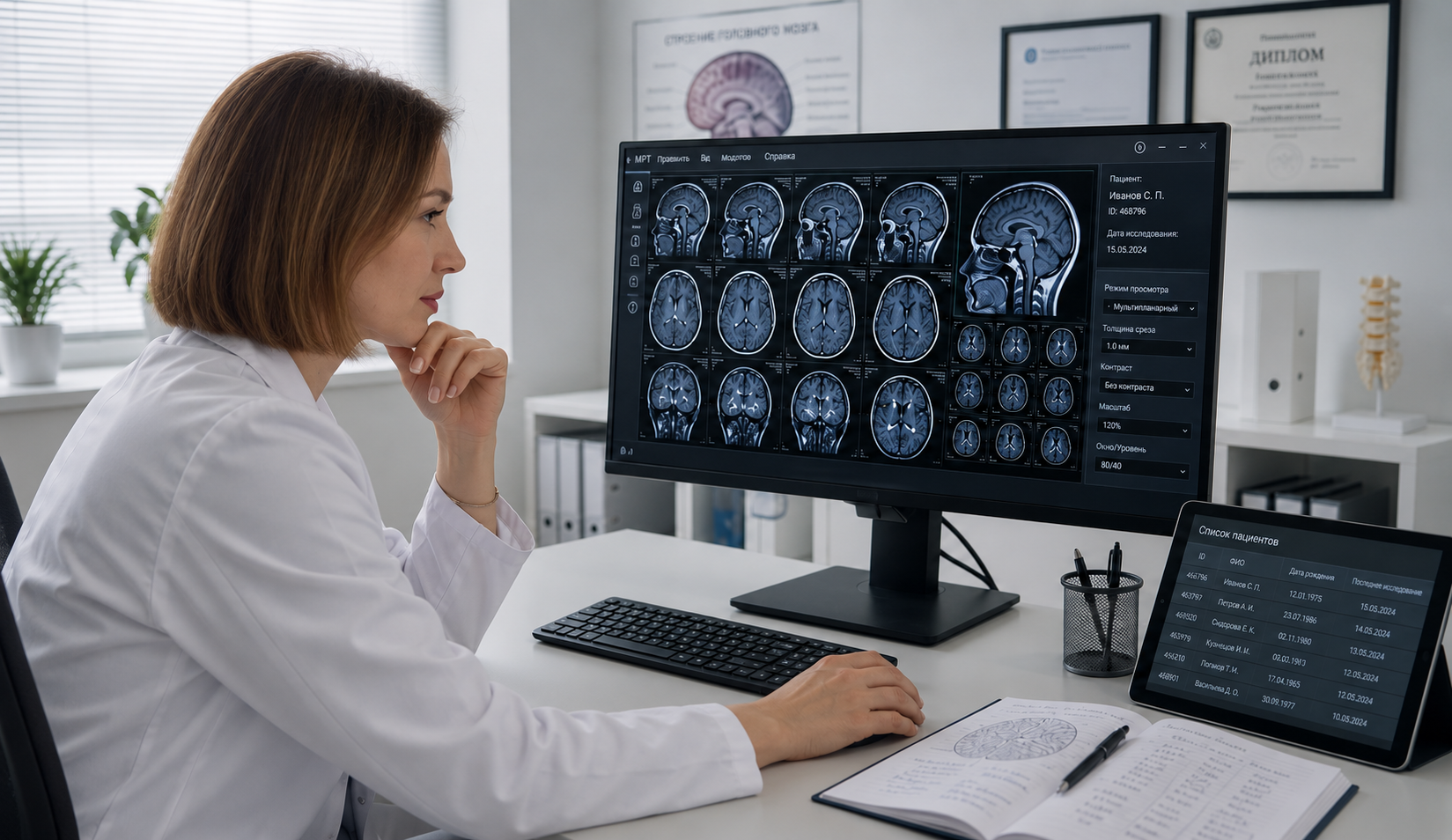
The exact same diagnosis can have completely different causes. Our task is to find the specific mechanism that led to the development of the illness in your particular case.
We analyze the examination results, medical history, and clinical picture to determine the root causes of the disease: chronic inflammation, metabolic disorders, mitochondrial dysfunction, toxic load, immune disorders, deficiency states, and other factors.
By addressing the cause, rather than just the symptoms, we create the foundation for sustainable results.
Identifying the cause of the disease
The exact same diagnosis can have completely different causes. Our task is to find the specific mechanism that led to the development of the illness in your particular case.
We analyze the examination results, medical history, and clinical picture to determine the root causes of the disease: chronic inflammation, metabolic disorders, mitochondrial dysfunction, toxic load, immune disorders, deficiency states, and other factors.
By addressing the cause, rather than just the symptoms, we create the foundation for sustainable results.

After establishing a complete clinical picture, the doctor develops a personalized treatment program.
Depending on the patient's condition, it may include:
- infusion therapy;
- dietary adjustments;
- ketogenic and metabolic programs;
- mitochondrial support;
- gut restoration;
- anti-inflammatory therapy;
- cellular technologies;
- nutritional support and other modern methods.
Each plan is created individually, taking into account age, diagnosis, examination results, and treatment goals.
Individualized treatment plan
After establishing a complete clinical picture, the doctor develops a personalized treatment program.
Depending on the patient's condition, it may include:
- infusion therapy;
- dietary adjustments;
- ketogenic and metabolic programs;
- mitochondrial support;
- gut restoration;
- anti-inflammatory therapy;
- cellular technologies;
- nutritional support and other modern methods.
Each plan is created individually, taking into account age, diagnosis, examination results, and treatment goals.
Treatment is a process that requires monitoring and timely adjustments.
Our specialists accompany the patient throughout the entire program: they evaluate progress, monitor health indicators, adjust prescriptions, and answer any questions that arise. This approach allows us to adapt the treatment in a timely manner and achieve the best possible results for each patient.
At PlanetaMed, we do not treat an isolated diagnosis — we work with the body as a whole, helping to restore its own resources and regain quality of life.
Support at all stages
Treatment is a process that requires monitoring and timely adjustments.
Our specialists accompany the patient throughout the entire program: they evaluate progress, monitor health indicators, adjust prescriptions, and answer any questions that arise. This approach allows us to adapt the treatment in a timely manner and achieve the best possible results for each patient.
At PlanetaMed, we do not treat an isolated diagnosis — we work with the body as a whole, helping to restore its own resources and regain quality of life.

Anton Meliksovich
- Neurologist
- Epileptologist
- Integrative medicine specialist
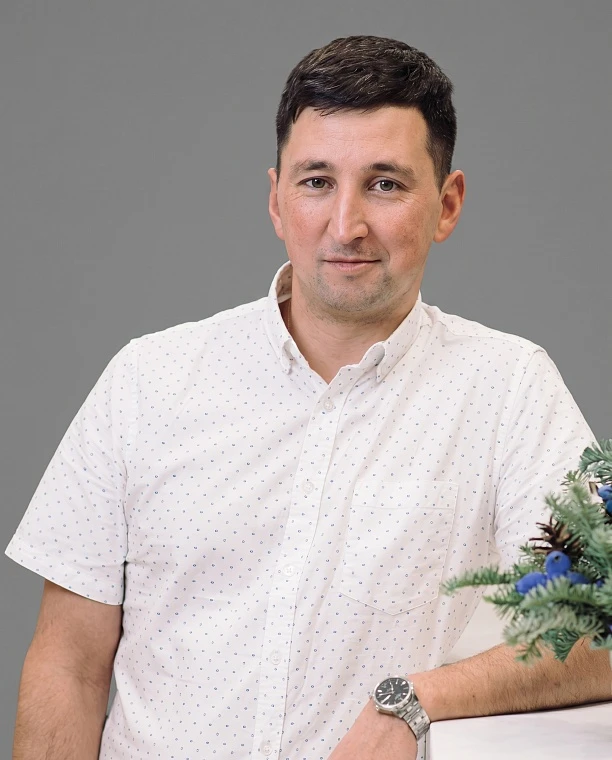
Timur Ruslanovich
- Neurologist
- Epileptologist
- Integrative medicine specialist
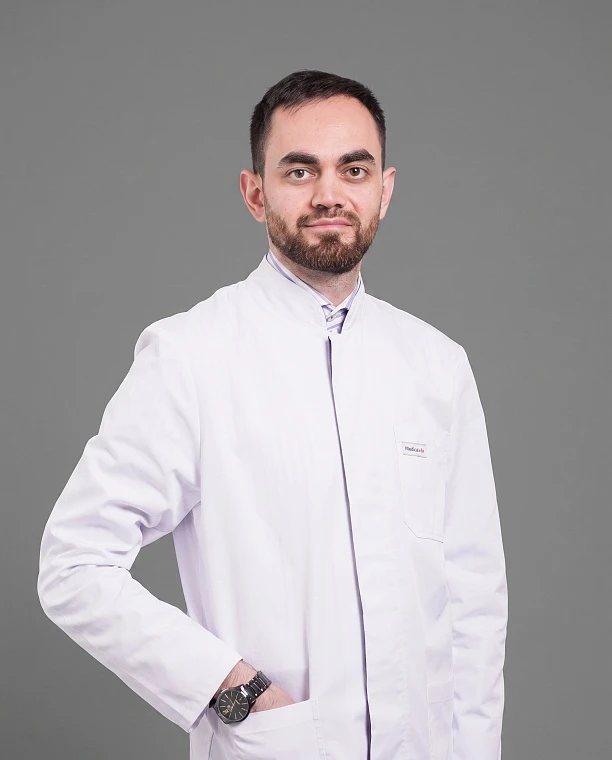
Latif Akifovich
- Neurologist-epileptologist
- Integrative medicine specialist
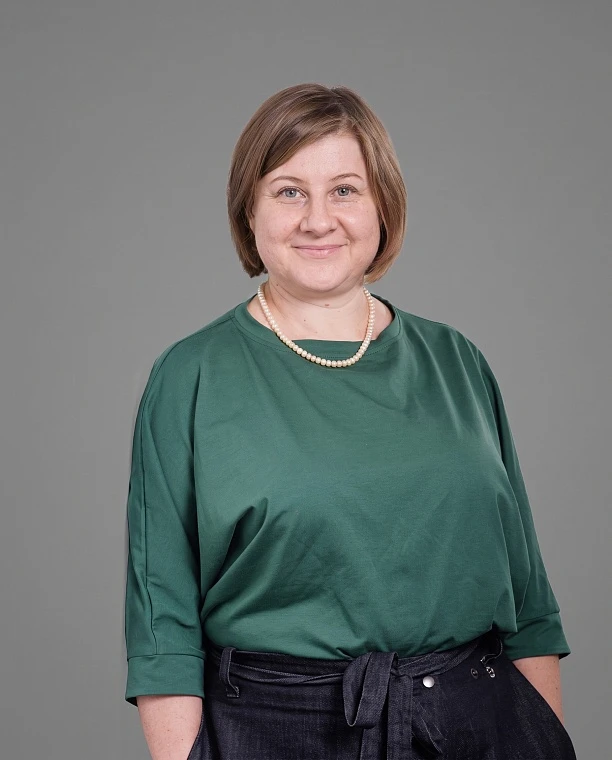
Yulia Vladimirovna
- Neurologist-epileptologist
- Neurologist
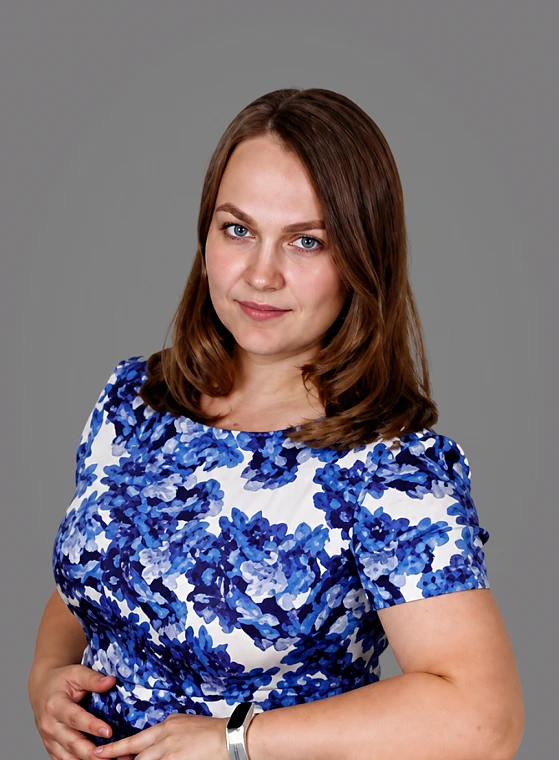
Anna Igorevna
- General Practitioner (Family Medicine)
- Neurologist
- Integrative medicine specialist