Down syndrome
Down syndrome (trisomy of chromosome 21) is a chromosomal genetic disorder; in addition to external developmental features, its main clinical manifestations include mental and speech developmental delay, reduced immunity, endocrine and cardiac disorders, and gastrointestinal diseases. People with Down syndrome have an increased risk of developing oncological diseases, and life expectancy is significantly reduced compared to the general population.
The clinical picture and degree of neurological impairment in children with Down syndrome vary significantly. Some children can attend regular schools, have self-care skills, and find employment, while others are deeply disabled with severe mental retardation and absence of speech.
The diversity of clinical manifestations of Down syndrome is associated not so much with genetic features as with the severity of concomitant immunological and metabolic disorders.
In addition to standard medical check-ups (vision control, ultrasound of the heart and internal organs), we conduct additional laboratory tests, including studies of intestinal microbiota, antigenic load, viral and bacterial infection, measuring the concentration of vitamins and amino acids in the blood, and also assess the level of metabolic disorders.
The biomedical correction program is built individually, depending on the severity of laboratory changes, and laboratory monitoring is carried out at intermediate stages of treatment.
Special attention is paid to the study and correction of the patient's micronutrient and hormonal status.
Recently, Down syndrome has been considered as a state of mitochondrial dysfunction; accordingly, drug therapy should be built within this concept. The effectiveness of the ketogenic diet has also been demonstrated; the diet was used not only as a way to combat obesity, but also as a method of metabolic correction.
When using the ketogenic diet, improvement in cognitive status, increased physical activity, and reduced levels of inflammation are observed.
The introduction of the ketogenic diet for people with mitochondrial diseases is carried out at the clinic, under medical supervision. The use of the KETOMIT program, in addition to introducing the ketogenic diet, adapting the child to ketosis, and training parents, includes mitochondrial therapy programs – interval hypoxic therapy.
In addition, periodic use of the REMIT program allows increasing the energy capacity of mitochondria, which in turn enhances the activity of brain neurons, strengthens muscles, and boosts immunity.
How does treatment work at the "PlanetaMed" clinic?
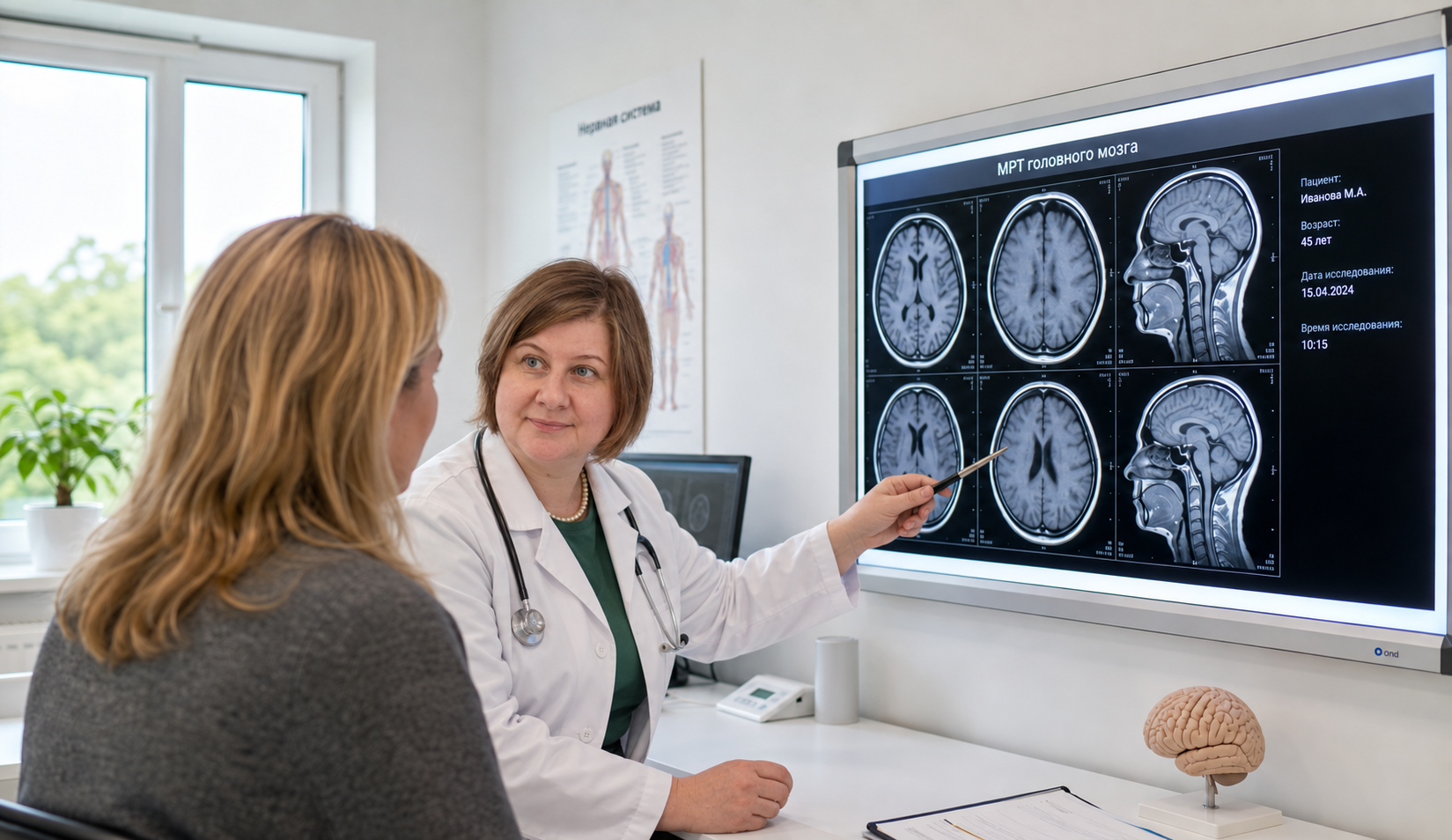
The first stage is a comprehensive examination of the body.
We go beyond simply making a diagnosis. It is crucial for us to understand how all body systems function, evaluate metabolic processes, inflammatory activity, immune status, gut and mitochondrial health, vitamin and trace element deficiencies, as well as other indicators that may influence the development of the disease.
It is high-quality diagnostics that forms the foundation of effective treatment.
What is included in the primary diagnostic list?
- Complete blood count (CBC)
- Biochemical blood test (total protein, lactate, bilirubin, urea, creatinine, ALT, AST, eosinophil cationic protein, NSE, S100, total IgE, TNF-alpha, C-reactive protein, rheumatoid factor)
- Urine organic acids — 60 parameters (urine)
- Amino acids — 48 parameters (blood)
- ASO (Antistreptolysin O)
- Human Herpesvirus 6 (HHV-6), quantitative
*Additional data may be required; the clinic administrators will provide you with more precise information.
Comprehensive diagnostics
The first stage is a comprehensive examination of the body.
We go beyond simply making a diagnosis. It is crucial for us to understand how all body systems function, evaluate metabolic processes, inflammatory activity, immune status, gut and mitochondrial health, vitamin and trace element deficiencies, as well as other indicators that may influence the development of the disease.
It is high-quality diagnostics that forms the foundation of effective treatment.
What is included in the primary diagnostic list?
- Complete blood count (CBC)
- Biochemical blood test (total protein, lactate, bilirubin, urea, creatinine, ALT, AST, eosinophil cationic protein, NSE, S100, total IgE, TNF-alpha, C-reactive protein, rheumatoid factor)
- Urine organic acids — 60 parameters (urine)
- Amino acids — 48 parameters (blood)
- ASO (Antistreptolysin O)
- Human Herpesvirus 6 (HHV-6), quantitative
*Additional data may be required; the clinic administrators will provide you with more precise information.
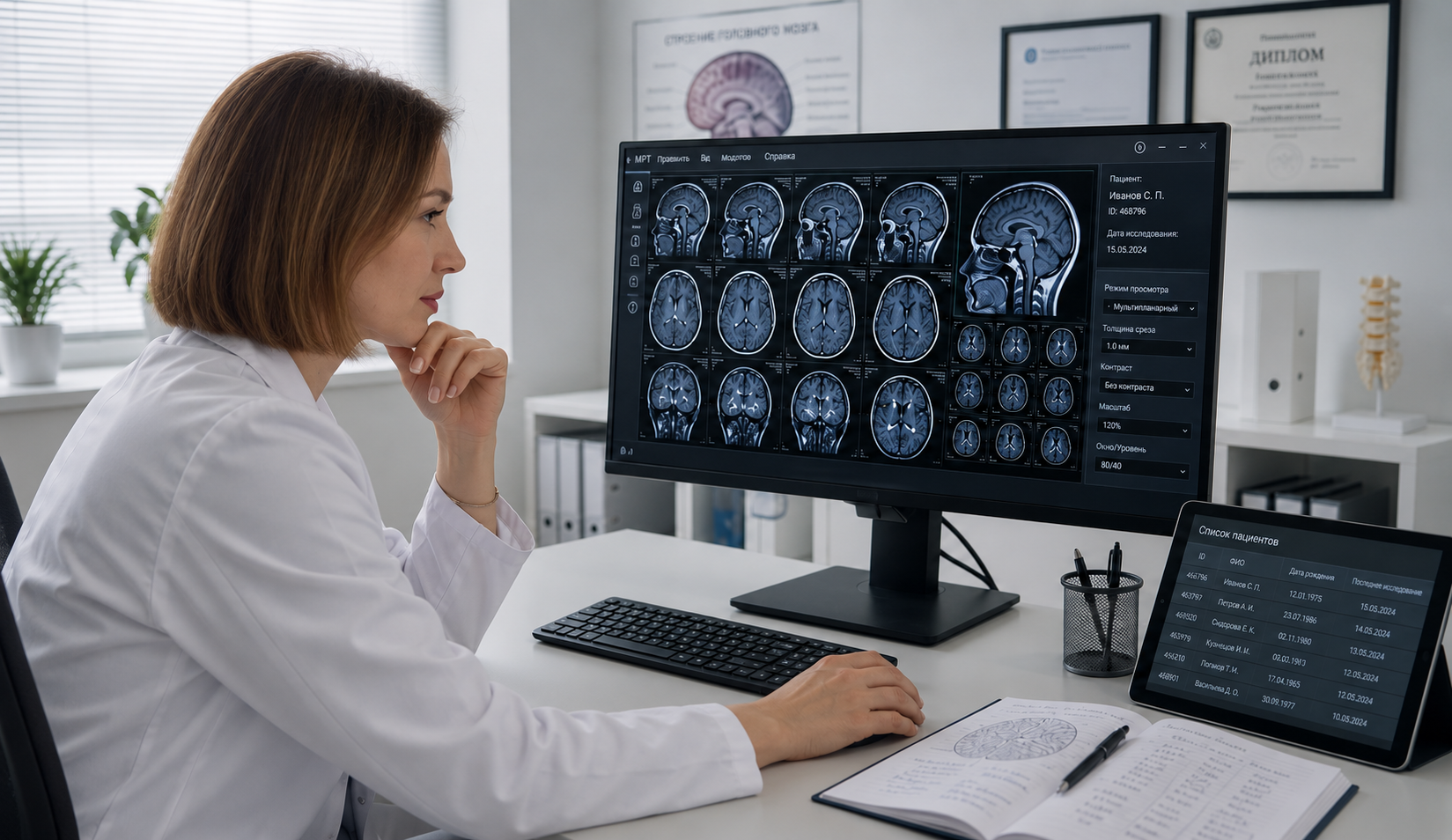
The exact same diagnosis can have completely different causes. Our task is to find the specific mechanism that led to the development of the illness in your particular case.
We analyze the examination results, medical history, and clinical picture to determine the root causes of the disease: chronic inflammation, metabolic disorders, mitochondrial dysfunction, toxic load, immune disorders, deficiency states, and other factors.
By addressing the cause, rather than just the symptoms, we create the foundation for sustainable results.
Identifying the cause of the disease
The exact same diagnosis can have completely different causes. Our task is to find the specific mechanism that led to the development of the illness in your particular case.
We analyze the examination results, medical history, and clinical picture to determine the root causes of the disease: chronic inflammation, metabolic disorders, mitochondrial dysfunction, toxic load, immune disorders, deficiency states, and other factors.
By addressing the cause, rather than just the symptoms, we create the foundation for sustainable results.

After establishing a complete clinical picture, the doctor develops a personalized treatment program.
Depending on the patient's condition, it may include:
- infusion therapy;
- dietary adjustments;
- ketogenic and metabolic programs;
- mitochondrial support;
- gut restoration;
- anti-inflammatory therapy;
- cellular technologies;
- nutritional support and other modern methods.
Each plan is created individually, taking into account age, diagnosis, examination results, and treatment goals.
Individualized treatment plan
After establishing a complete clinical picture, the doctor develops a personalized treatment program.
Depending on the patient's condition, it may include:
- infusion therapy;
- dietary adjustments;
- ketogenic and metabolic programs;
- mitochondrial support;
- gut restoration;
- anti-inflammatory therapy;
- cellular technologies;
- nutritional support and other modern methods.
Each plan is created individually, taking into account age, diagnosis, examination results, and treatment goals.
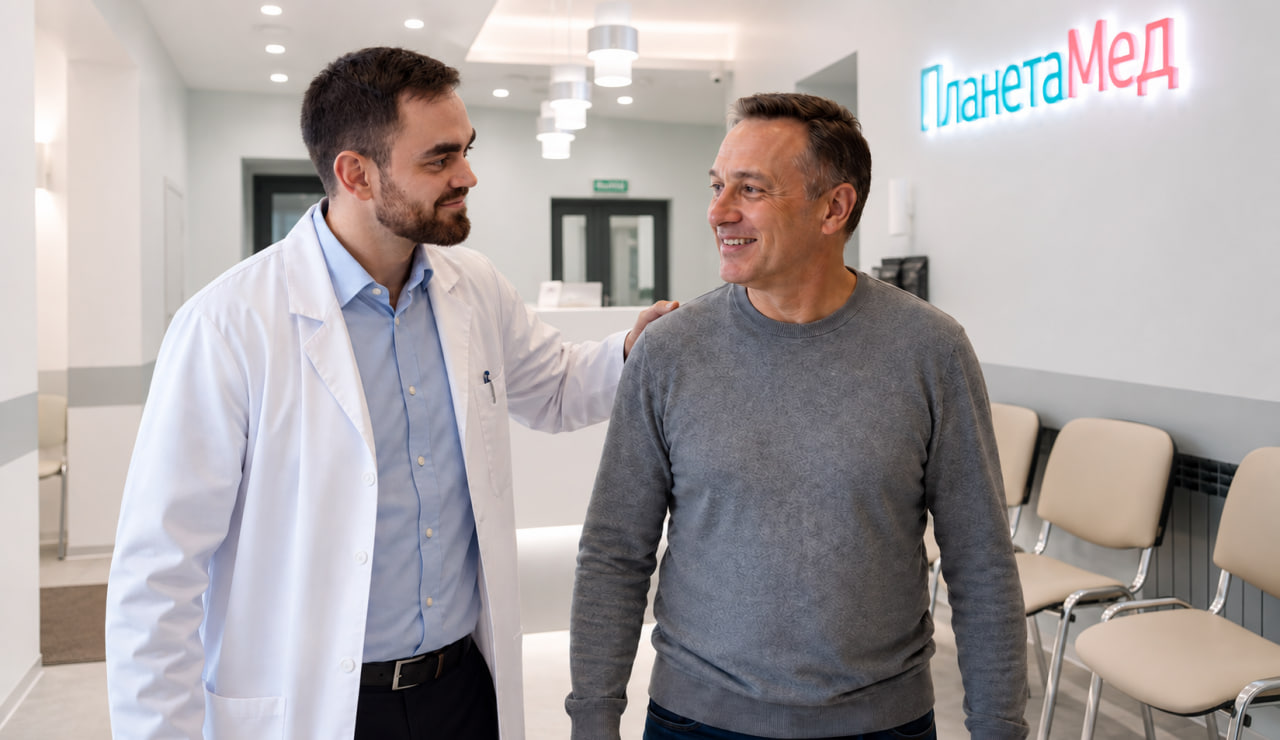
Treatment is a process that requires monitoring and timely adjustments.
Our specialists accompany the patient throughout the entire program: they evaluate progress, monitor health indicators, adjust prescriptions, and answer any questions that arise. This approach allows us to adapt the treatment in a timely manner and achieve the best possible results for each patient.
At PlanetaMed, we do not treat an isolated diagnosis — we work with the body as a whole, helping to restore its own resources and regain quality of life.
Support at all stages
Treatment is a process that requires monitoring and timely adjustments.
Our specialists accompany the patient throughout the entire program: they evaluate progress, monitor health indicators, adjust prescriptions, and answer any questions that arise. This approach allows us to adapt the treatment in a timely manner and achieve the best possible results for each patient.
At PlanetaMed, we do not treat an isolated diagnosis — we work with the body as a whole, helping to restore its own resources and regain quality of life.

Anton Meliksovich
- Neurologist
- Epileptologist
- Integrative medicine specialist
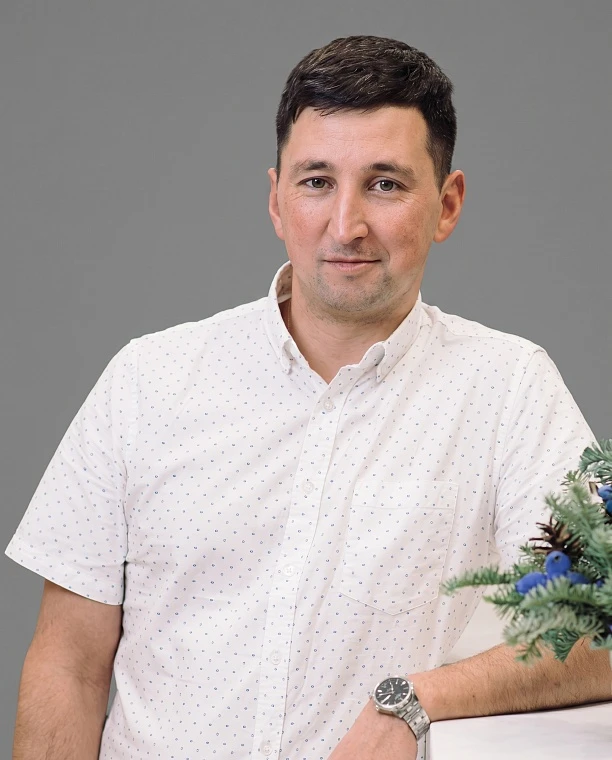
Timur Ruslanovich
- Neurologist
- Epileptologist
- Integrative medicine specialist
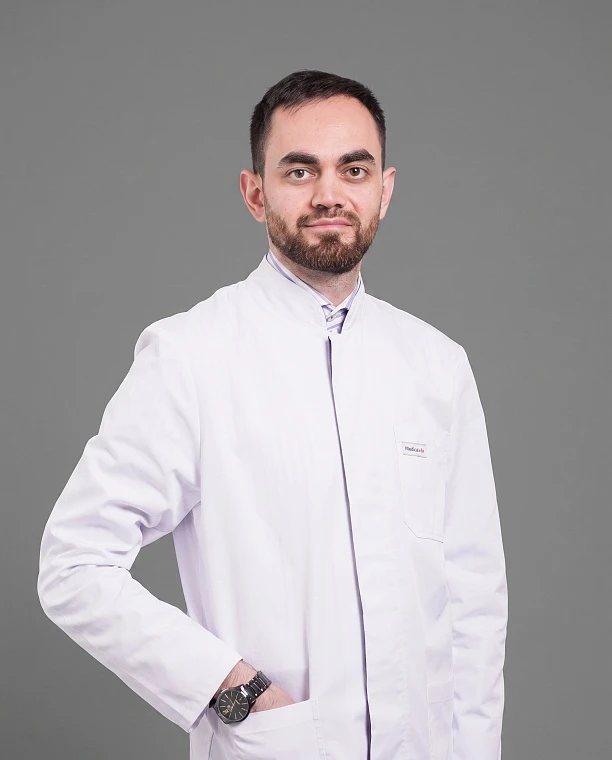
Latif Akifovich
- Neurologist-epileptologist
- Integrative medicine specialist
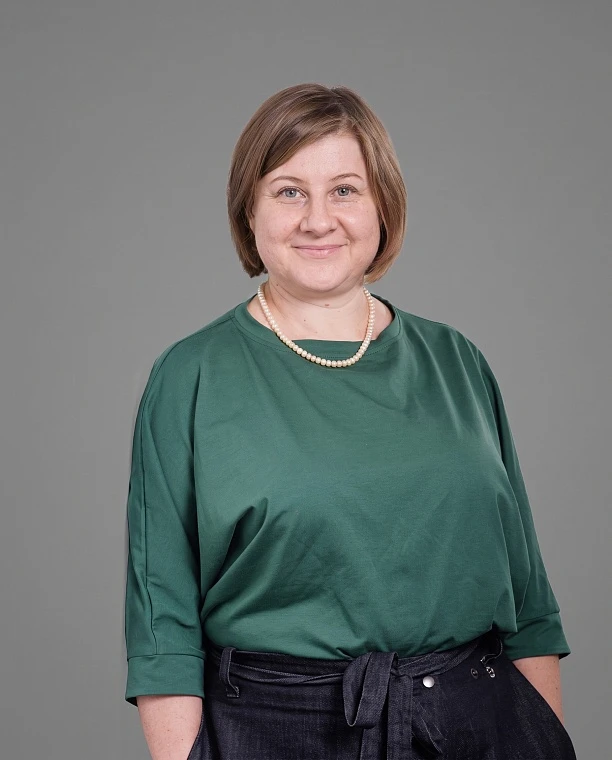
Yulia Vladimirovna
- Neurologist-epileptologist
- Neurologist
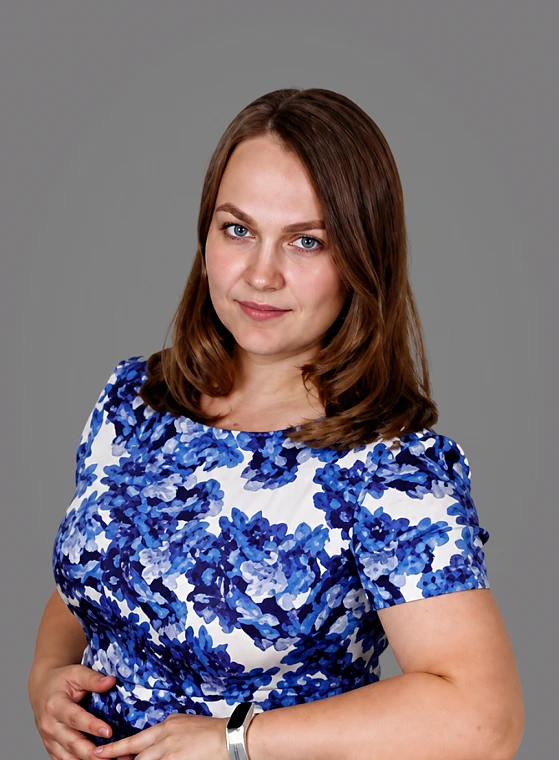
Anna Igorevna
- General Practitioner (Family Medicine)
- Neurologist
- Integrative medicine specialist