Attention Deficit Hyperactivity Disorder (ADHD)
ADHD is a behavioral disorder characterized by restlessness, difficulty concentrating, rapid shifting of attention, easy distractibility, and poor learning ability. Children with ADHD have difficulties with self-control, self-organization, and consistent completion of tasks. At the same time, there is hyperactivity, excitability, excessive speech production, excessive limb movements, and synkinesis.
The diagnosis is established based on external observation and psychological tests. Usually, teachers draw attention to the behavioral features; the diagnosis is made after the start of attendance at preschool institutions, when the behavioral characteristics of a child with ADHD become noticeable in comparison with other, calmer and more diligent children.
Psycho-speech development of children with ADHD occurs without significant deviations.
Methods of ADHD correction are divided into behavioral-pedagogical and pharmacological.
Behavioral methods are aimed at developing self-control and perseverance, while pharmacological methods are aimed at correcting neurotransmitter metabolism.
In the treatment of ADHD, herbal-based sedatives that relieve overexcitation are used, as well as nootropic drugs that affect the GABAergic system, such as phenibut and pantogam. In recent years, the use of atomoxetine, which affects norepinephrine reuptake, has become widespread. There is also evidence of successful use of central nervous system stimulants.
Our clinic uses broader approaches in the diagnosis and treatment of ADHD. In addition to well-known methods, factors contributing to brain overexcitation are identified and eliminated. It is known that in some children, excessive consumption of fast carbohydrates leads to overexcitation; the stimulating role of gluten (wheat gluten) on brain function is also known. For example, one of the metabolites of gluten is gluteomorphin, which can affect opioid receptors in the brain, leading to overexcitation of the child. Casein, which transforms into casomorphin, may have a similar effect.
Changes in the microbiota of a child can also affect behavior; some pathogenic bacteria produce neurotoxins, which can also have an excitatory effect on the brain.
Changes in amino acid balance and neurotransmitter balance lead to disturbances in the processes of nervous excitation and inhibition. Targeted correction of amino acid balance allows stabilizing neurotransmitter metabolism and normalizing the child's behavior.
Thus, work with a patient with ADHD should be systemic and comprehensive, including individualized dietary correction, examination and correction of microbiota status, amino acid and neurotransmitter metabolism, and the use of drugs that promote improved brain myelination.
The clinic also employs psychologists and teachers; through sessions and behavioral recommendations, they will help normalize the child's behavior and academic performance.
How does treatment work at the "PlanetaMed" clinic?
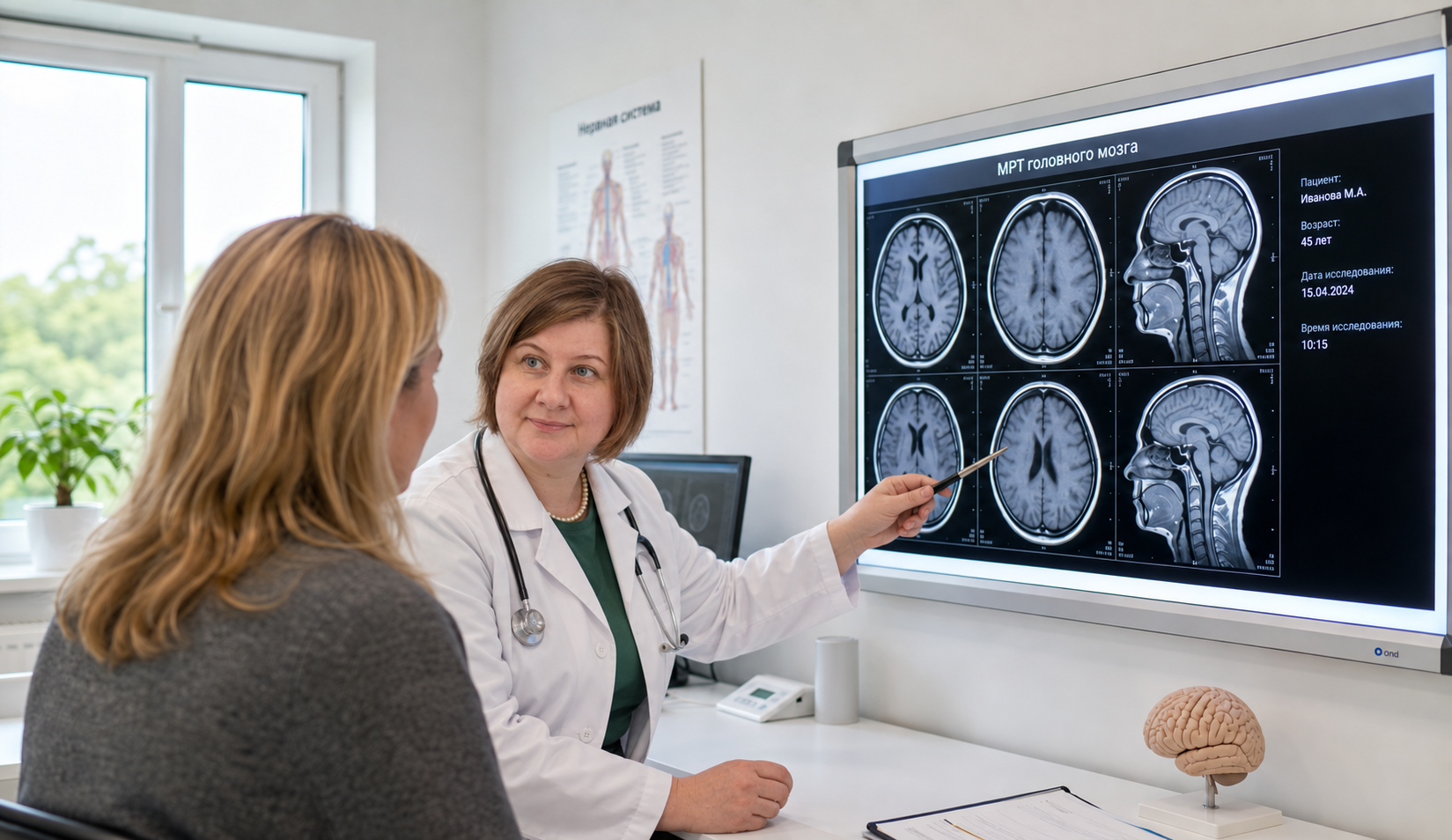
The first stage is a comprehensive examination of the body.
We go beyond simply making a diagnosis. It is crucial for us to understand how all body systems function, evaluate metabolic processes, inflammatory activity, immune status, gut and mitochondrial health, vitamin and trace element deficiencies, as well as other indicators that may influence the development of the disease.
It is high-quality diagnostics that forms the foundation of effective treatment.
What is included in the primary diagnostic list?
- Complete blood count (CBC)
- Biochemical blood test (total protein, lactate, bilirubin, urea, creatinine, ALT, AST, eosinophil cationic protein, NSE, S100, total IgE, TNF-alpha, C-reactive protein, rheumatoid factor)
- Urine organic acids — 60 parameters (urine)
- Amino acids — 48 parameters (blood)
- ASO (Antistreptolysin O)
- Human Herpesvirus 6 (HHV-6), quantitative
*Additional data may be required; the clinic administrators will provide you with more precise information.
Comprehensive diagnostics
The first stage is a comprehensive examination of the body.
We go beyond simply making a diagnosis. It is crucial for us to understand how all body systems function, evaluate metabolic processes, inflammatory activity, immune status, gut and mitochondrial health, vitamin and trace element deficiencies, as well as other indicators that may influence the development of the disease.
It is high-quality diagnostics that forms the foundation of effective treatment.
What is included in the primary diagnostic list?
- Complete blood count (CBC)
- Biochemical blood test (total protein, lactate, bilirubin, urea, creatinine, ALT, AST, eosinophil cationic protein, NSE, S100, total IgE, TNF-alpha, C-reactive protein, rheumatoid factor)
- Urine organic acids — 60 parameters (urine)
- Amino acids — 48 parameters (blood)
- ASO (Antistreptolysin O)
- Human Herpesvirus 6 (HHV-6), quantitative
*Additional data may be required; the clinic administrators will provide you with more precise information.
The exact same diagnosis can have completely different causes. Our task is to find the specific mechanism that led to the development of the illness in your particular case.
We analyze the examination results, medical history, and clinical picture to determine the root causes of the disease: chronic inflammation, metabolic disorders, mitochondrial dysfunction, toxic load, immune disorders, deficiency states, and other factors.
By addressing the cause, rather than just the symptoms, we create the foundation for sustainable results.
Identifying the cause of the disease
The exact same diagnosis can have completely different causes. Our task is to find the specific mechanism that led to the development of the illness in your particular case.
We analyze the examination results, medical history, and clinical picture to determine the root causes of the disease: chronic inflammation, metabolic disorders, mitochondrial dysfunction, toxic load, immune disorders, deficiency states, and other factors.
By addressing the cause, rather than just the symptoms, we create the foundation for sustainable results.
After establishing a complete clinical picture, the doctor develops a personalized treatment program.
Depending on the patient's condition, it may include:
- infusion therapy;
- dietary adjustments;
- ketogenic and metabolic programs;
- mitochondrial support;
- gut restoration;
- anti-inflammatory therapy;
- cellular technologies;
- nutritional support and other modern methods.
Each plan is created individually, taking into account age, diagnosis, examination results, and treatment goals.
Individualized treatment plan
After establishing a complete clinical picture, the doctor develops a personalized treatment program.
Depending on the patient's condition, it may include:
- infusion therapy;
- dietary adjustments;
- ketogenic and metabolic programs;
- mitochondrial support;
- gut restoration;
- anti-inflammatory therapy;
- cellular technologies;
- nutritional support and other modern methods.
Each plan is created individually, taking into account age, diagnosis, examination results, and treatment goals.
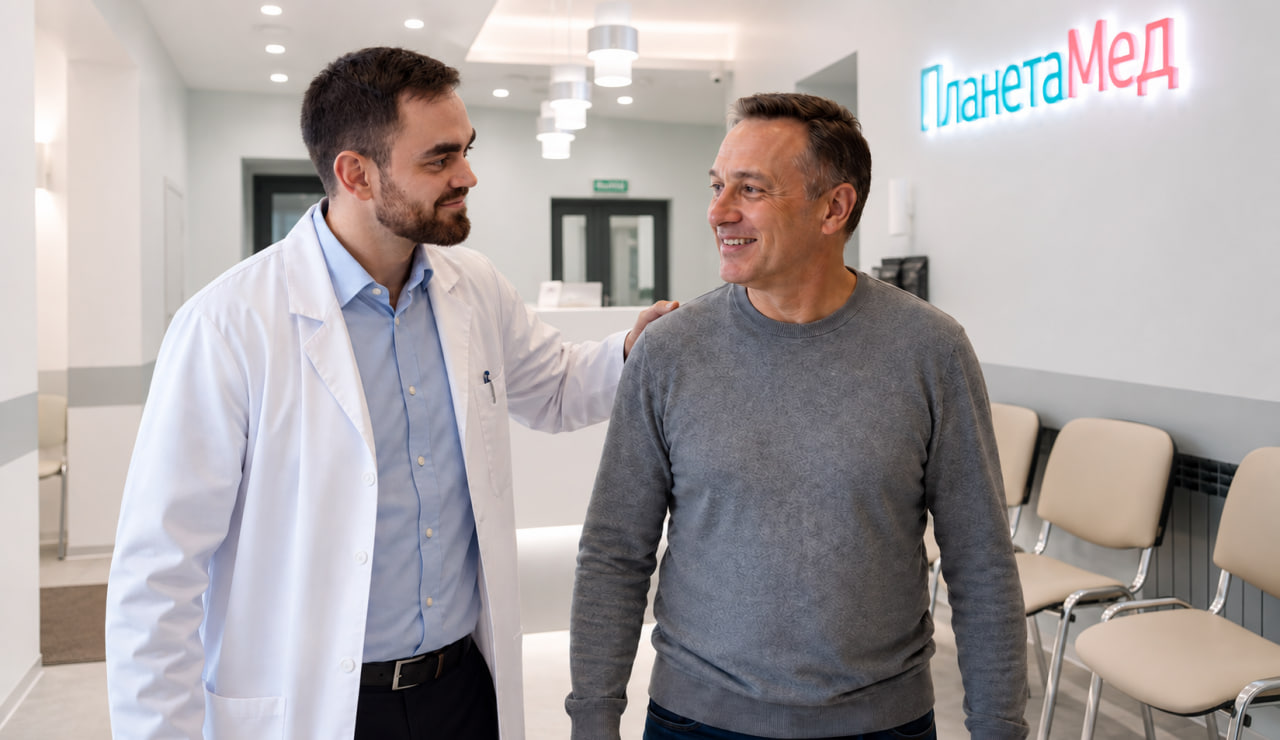
Treatment is a process that requires monitoring and timely adjustments.
Our specialists accompany the patient throughout the entire program: they evaluate progress, monitor health indicators, adjust prescriptions, and answer any questions that arise. This approach allows us to adapt the treatment in a timely manner and achieve the best possible results for each patient.
At PlanetaMed, we do not treat an isolated diagnosis — we work with the body as a whole, helping to restore its own resources and regain quality of life.
Support at all stages
Treatment is a process that requires monitoring and timely adjustments.
Our specialists accompany the patient throughout the entire program: they evaluate progress, monitor health indicators, adjust prescriptions, and answer any questions that arise. This approach allows us to adapt the treatment in a timely manner and achieve the best possible results for each patient.
At PlanetaMed, we do not treat an isolated diagnosis — we work with the body as a whole, helping to restore its own resources and regain quality of life.
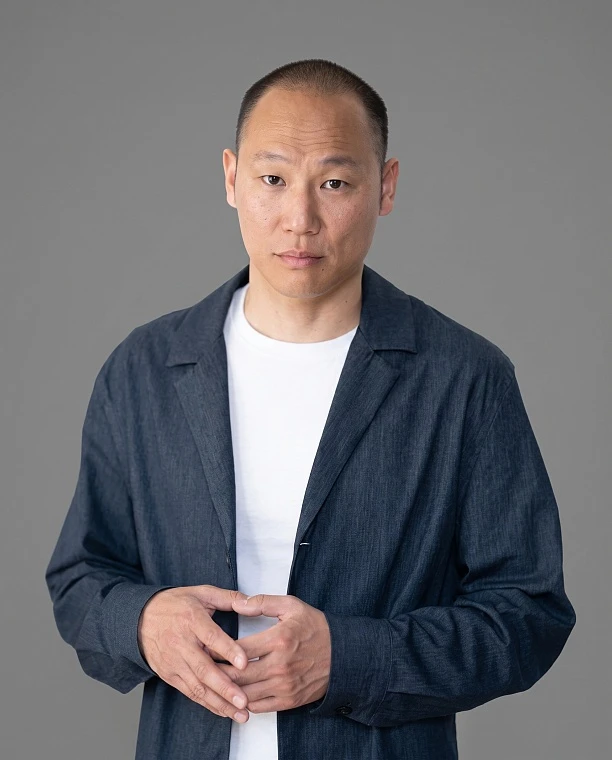
Anton Meliksovich
- Neurologist
- Epileptologist
- Integrative medicine specialist
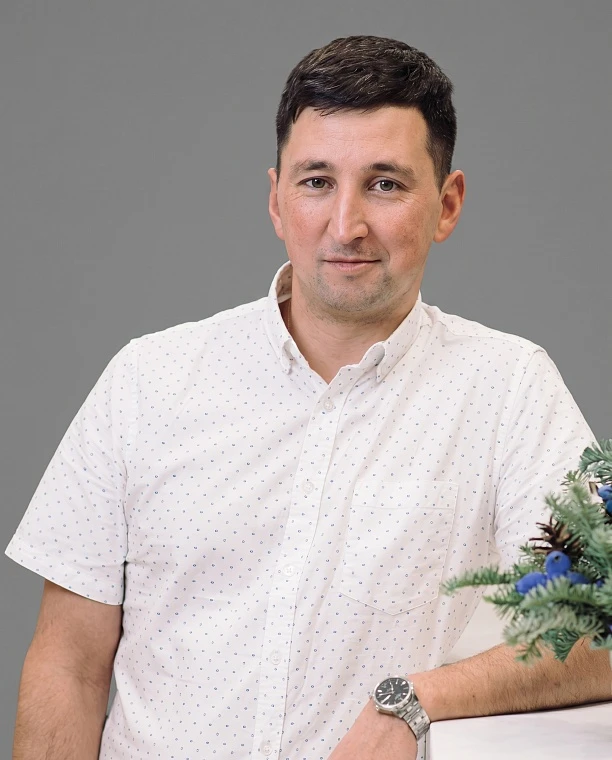
Timur Ruslanovich
- Neurologist
- Epileptologist
- Integrative medicine specialist
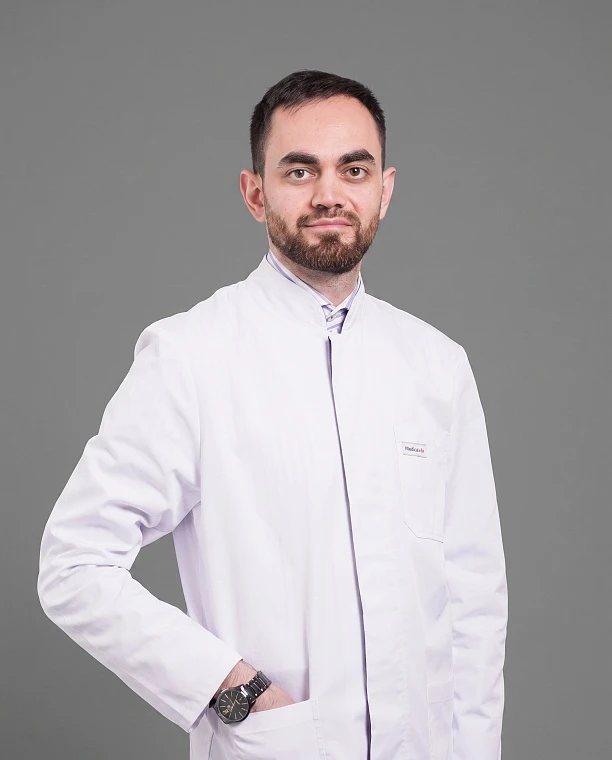
Latif Akifovich
- Neurologist-epileptologist
- Integrative medicine specialist
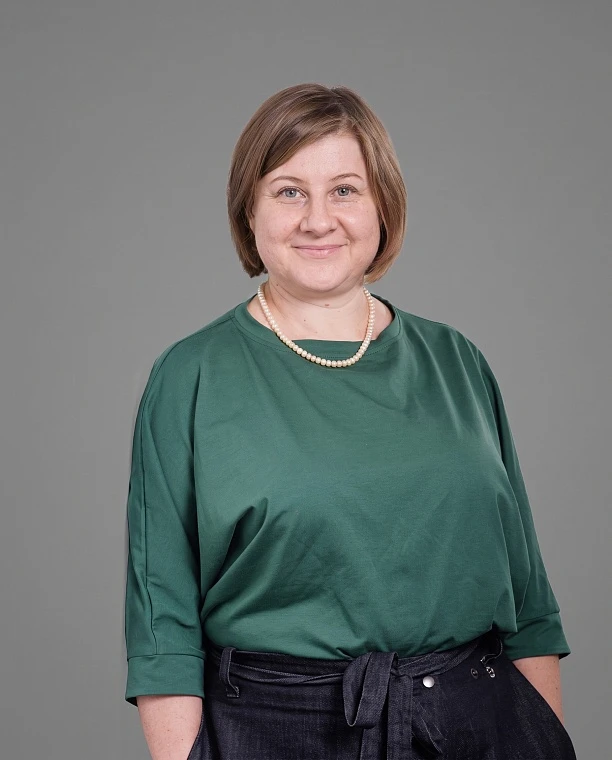
Yulia Vladimirovna
- Neurologist-epileptologist
- Neurologist
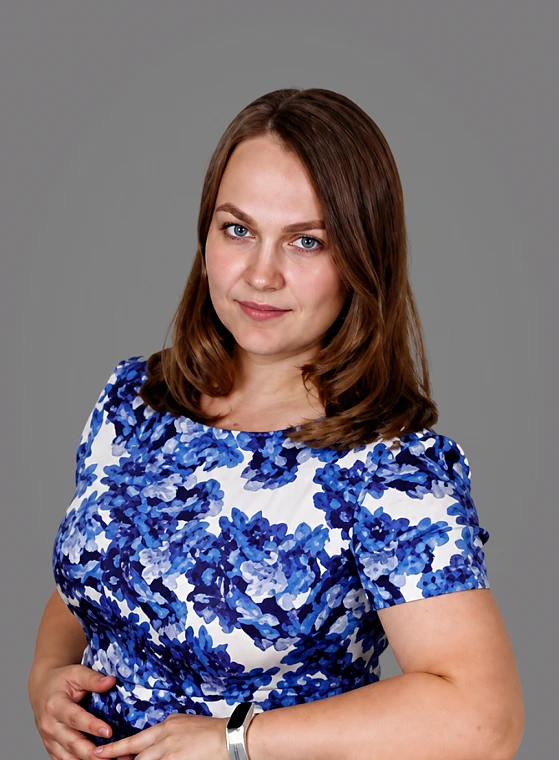
Anna Igorevna
- General Practitioner (Family Medicine)
- Neurologist
- Integrative medicine specialist