Tics and hyperkinesis
Tics manifest as rapid involuntary contractions of various muscle groups. Most common are tics in the form of blinking, eye rolling, sniffing, throat clearing, twitching of facial muscles, neck muscles; other muscle groups may also be involved. Sometimes tics may manifest as obsessions and hyperkinesias, such as shoulder or head jerking.
Depending on the number of muscles involved in hyperkinesia, there are localized (one or two groups), disseminated (three or more), and generalized hyperkinesias (various muscle groups, complex hyperkinesias, squatting, shouting, vocalizations, shouting obscenities, etc.).
Tics have a wave-like character, may subside or intensify spontaneously; provocateurs of deterioration are often fatigue, irritation, nervous tension, anxiety, and overexcitation.
The occurrence of tics is based on a reduced capacity of the brain's inhibitory system to stop excessive neuronal excitation.
Standard therapy for tics involves prescribing sedative therapy, drugs that increase the concentration of gamma-aminobutyric acid, sedatives, antidepressants; the use of antipsychotics or drug combinations is possible. The literature describes the possibility of using antiepileptic drugs.
Such a treatment regimen may be effective for localized tics, but is less effective for disseminated hyperkinesias.
Generalized hyperkinesia (Tourette's syndrome) is not sensitive to standard treatment methods; the administration of antipsychotics in high doses does not produce significant results but leads to pronounced side effects – lethargy, drowsiness, coordination impairment, hormonal changes.
Non-pharmacological methods for managing hyperkinesias include psychotherapy and implantation of intracerebral electrodes.
Tics and hyperkinesias should be distinguished from voluntary obsessions or habits; unlike them, tics are involuntary in nature. It should be remembered that some types of epileptic seizures can mimic tics; differential diagnosis is performed using electroencephalography (EEG).
Since tics and hyperkinesias are a consequence of brain irritation, the pathogenetic method of treating tics also includes identifying and eliminating the source of this irritation.
One of the factors contributing to brain irritation is poor nutrition. Eliminating flour products, sweets, and dairy products from the diet helps increase brain stability.
Modern research shows the influence of microbiota on brain function. In the presence of disseminated and generalized hyperkinesias, it is necessary to examine the gastric and intestinal microflora; excessive growth of intestinal bacteria can lead to increased production of neurotoxins, which causes irritation of brain neurons and tics.
Brain function depends on sufficient vitamins and amino acids; they should be corrected based on laboratory tests.
Our clinic performs all necessary studies of the body's biochemical profile, the state of the immune system, the gastrointestinal tract, and the nervous system for systemic elimination of the causes of tics and hyperkinesias, including Tourette's syndrome.
Buy the lecture - "TICS AND HYPERKINESIAS IN CHILDREN"
How does treatment work at the "PlanetaMed" clinic?
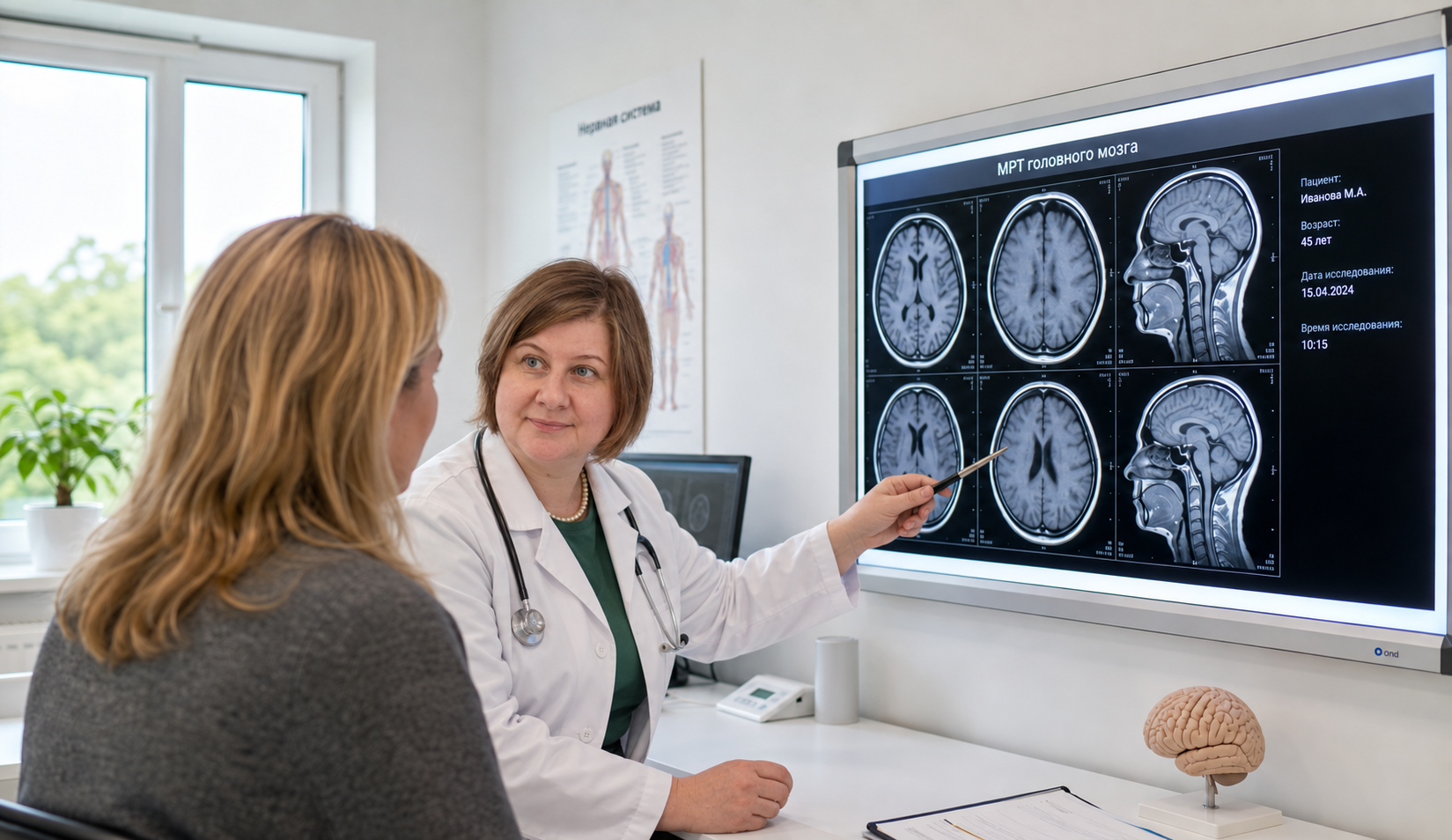
The first stage is a comprehensive examination of the body.
We go beyond simply making a diagnosis. It is crucial for us to understand how all body systems function, evaluate metabolic processes, inflammatory activity, immune status, gut and mitochondrial health, vitamin and trace element deficiencies, as well as other indicators that may influence the development of the disease.
It is high-quality diagnostics that forms the foundation of effective treatment.
What is included in the primary diagnostic list?
- Complete blood count (CBC)
- Biochemical blood test (total protein, lactate, bilirubin, urea, creatinine, ALT, AST, eosinophil cationic protein, NSE, S100, total IgE, TNF-alpha, C-reactive protein, rheumatoid factor)
- Urine organic acids — 60 parameters (urine)
- Amino acids — 48 parameters (blood)
- ASO (Antistreptolysin O)
- Human Herpesvirus 6 (HHV-6), quantitative
*Additional data may be required; the clinic administrators will provide you with more precise information.
Comprehensive diagnostics
The first stage is a comprehensive examination of the body.
We go beyond simply making a diagnosis. It is crucial for us to understand how all body systems function, evaluate metabolic processes, inflammatory activity, immune status, gut and mitochondrial health, vitamin and trace element deficiencies, as well as other indicators that may influence the development of the disease.
It is high-quality diagnostics that forms the foundation of effective treatment.
What is included in the primary diagnostic list?
- Complete blood count (CBC)
- Biochemical blood test (total protein, lactate, bilirubin, urea, creatinine, ALT, AST, eosinophil cationic protein, NSE, S100, total IgE, TNF-alpha, C-reactive protein, rheumatoid factor)
- Urine organic acids — 60 parameters (urine)
- Amino acids — 48 parameters (blood)
- ASO (Antistreptolysin O)
- Human Herpesvirus 6 (HHV-6), quantitative
*Additional data may be required; the clinic administrators will provide you with more precise information.
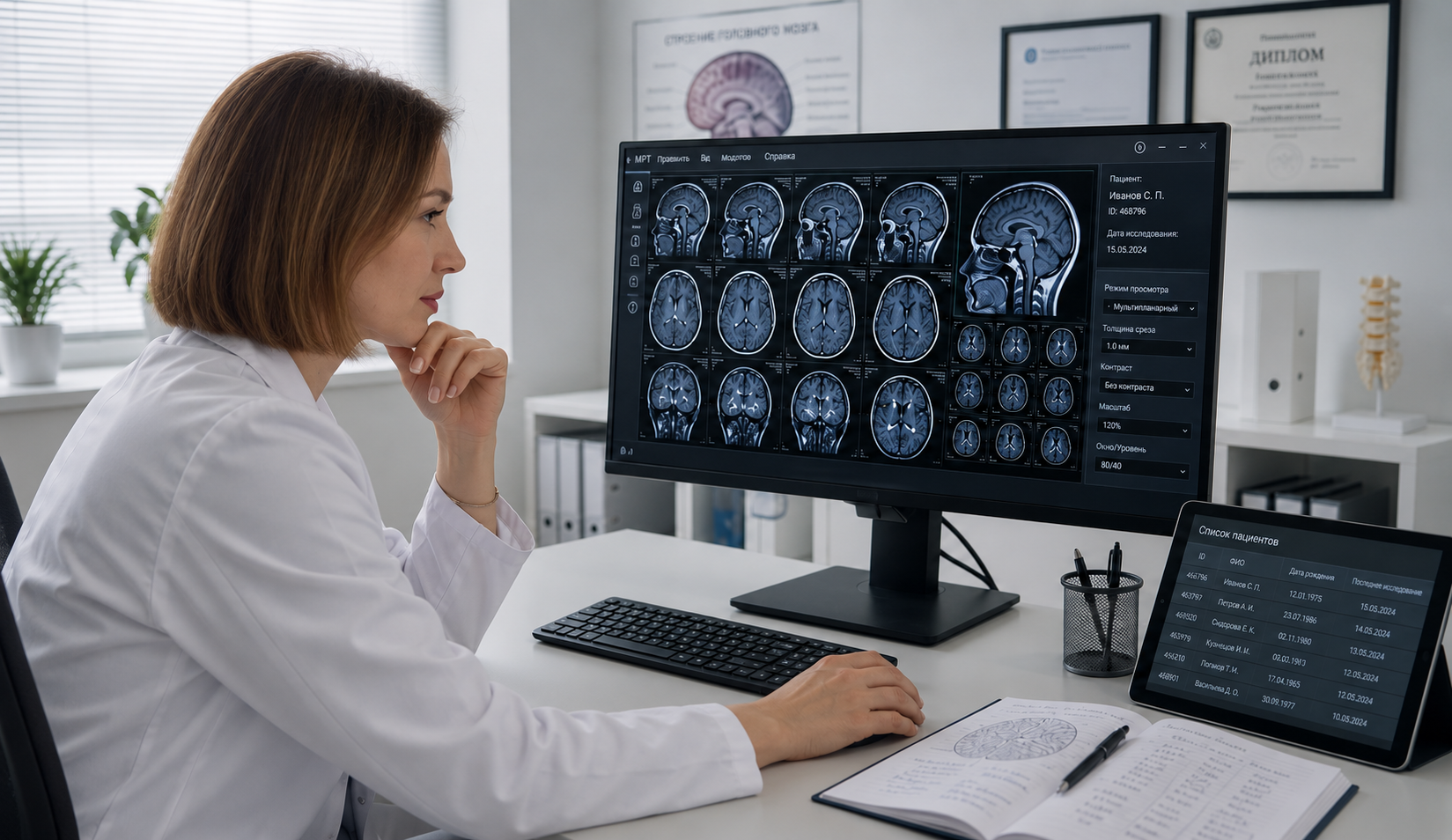
The exact same diagnosis can have completely different causes. Our task is to find the specific mechanism that led to the development of the illness in your particular case.
We analyze the examination results, medical history, and clinical picture to determine the root causes of the disease: chronic inflammation, metabolic disorders, mitochondrial dysfunction, toxic load, immune disorders, deficiency states, and other factors.
By addressing the cause, rather than just the symptoms, we create the foundation for sustainable results.
Identifying the cause of the disease
The exact same diagnosis can have completely different causes. Our task is to find the specific mechanism that led to the development of the illness in your particular case.
We analyze the examination results, medical history, and clinical picture to determine the root causes of the disease: chronic inflammation, metabolic disorders, mitochondrial dysfunction, toxic load, immune disorders, deficiency states, and other factors.
By addressing the cause, rather than just the symptoms, we create the foundation for sustainable results.

After establishing a complete clinical picture, the doctor develops a personalized treatment program.
Depending on the patient's condition, it may include:
- infusion therapy;
- dietary adjustments;
- ketogenic and metabolic programs;
- mitochondrial support;
- gut restoration;
- anti-inflammatory therapy;
- cellular technologies;
- nutritional support and other modern methods.
Each plan is created individually, taking into account age, diagnosis, examination results, and treatment goals.
Individualized treatment plan
After establishing a complete clinical picture, the doctor develops a personalized treatment program.
Depending on the patient's condition, it may include:
- infusion therapy;
- dietary adjustments;
- ketogenic and metabolic programs;
- mitochondrial support;
- gut restoration;
- anti-inflammatory therapy;
- cellular technologies;
- nutritional support and other modern methods.
Each plan is created individually, taking into account age, diagnosis, examination results, and treatment goals.
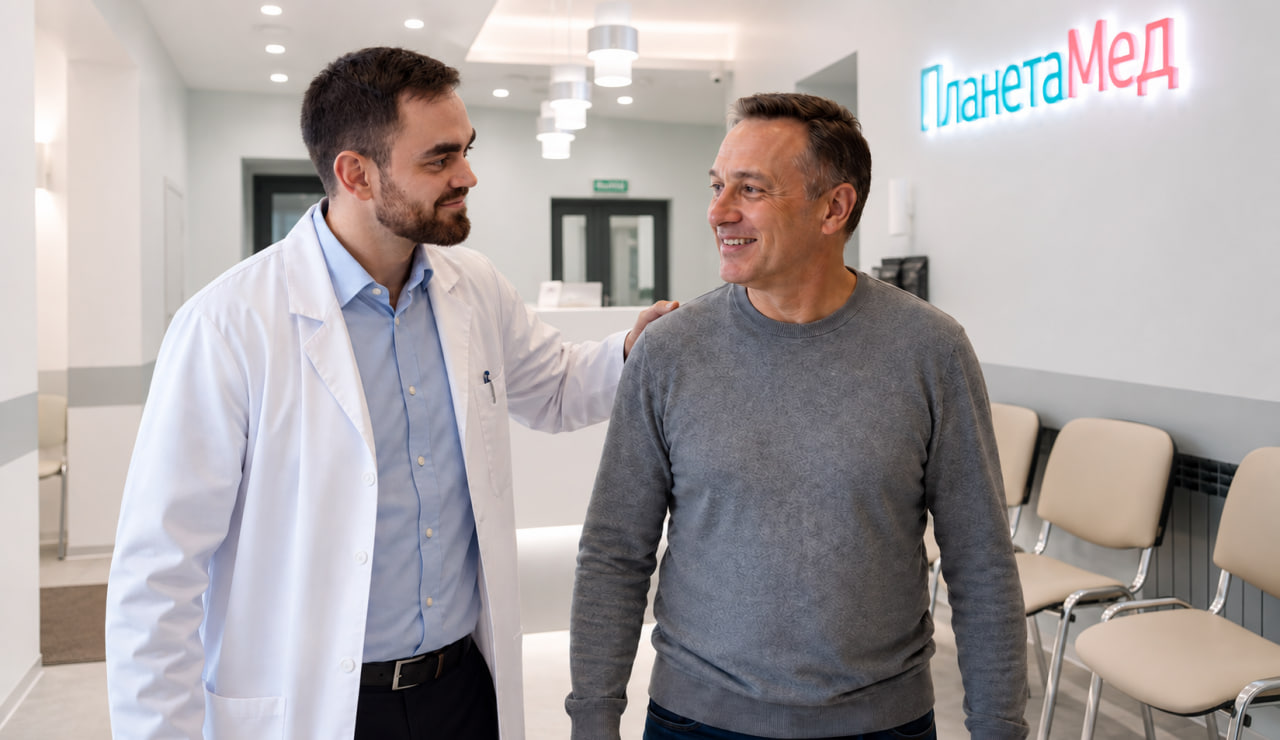
Treatment is a process that requires monitoring and timely adjustments.
Our specialists accompany the patient throughout the entire program: they evaluate progress, monitor health indicators, adjust prescriptions, and answer any questions that arise. This approach allows us to adapt the treatment in a timely manner and achieve the best possible results for each patient.
At PlanetaMed, we do not treat an isolated diagnosis — we work with the body as a whole, helping to restore its own resources and regain quality of life.
Support at all stages
Treatment is a process that requires monitoring and timely adjustments.
Our specialists accompany the patient throughout the entire program: they evaluate progress, monitor health indicators, adjust prescriptions, and answer any questions that arise. This approach allows us to adapt the treatment in a timely manner and achieve the best possible results for each patient.
At PlanetaMed, we do not treat an isolated diagnosis — we work with the body as a whole, helping to restore its own resources and regain quality of life.
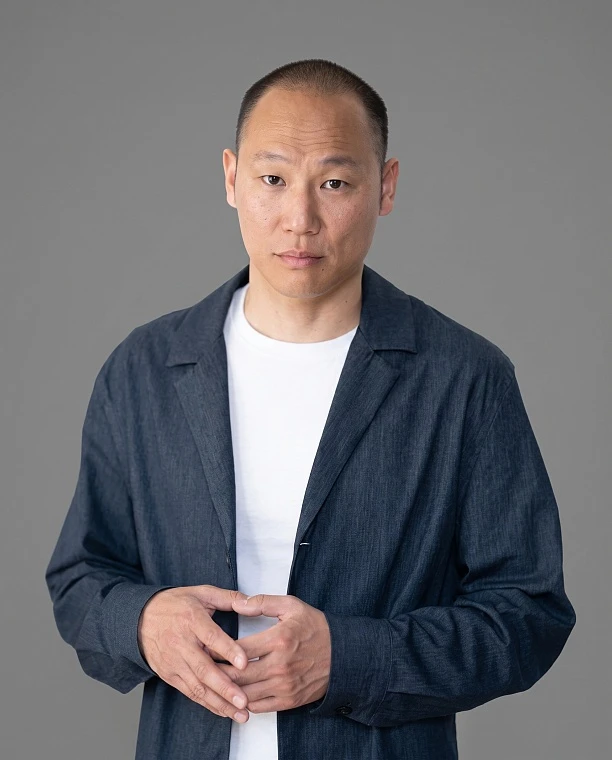
Anton Meliksovich
- Neurologist
- Epileptologist
- Integrative medicine specialist
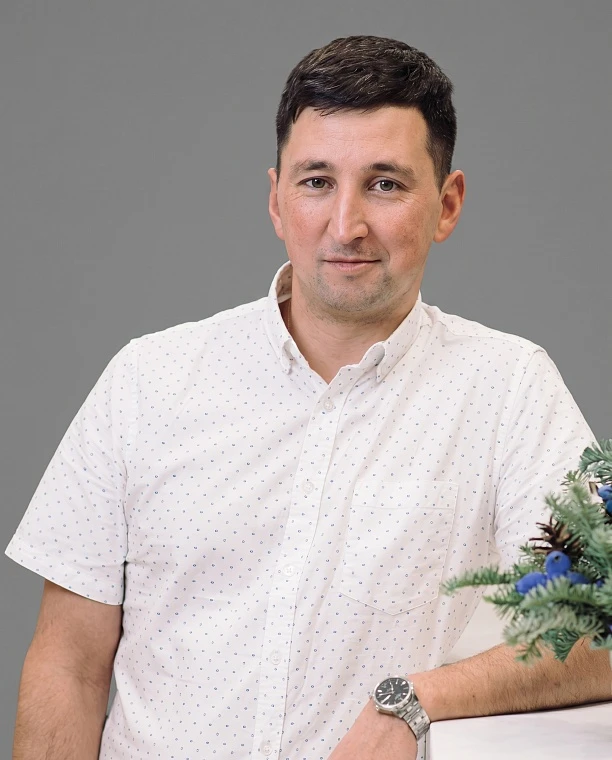
Timur Ruslanovich
- Neurologist
- Epileptologist
- Integrative medicine specialist
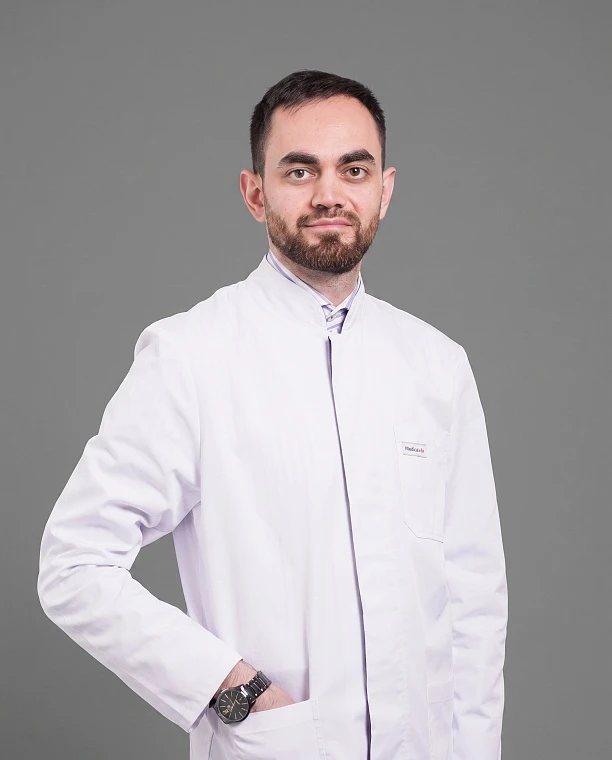
Latif Akifovich
- Neurologist-epileptologist
- Integrative medicine specialist
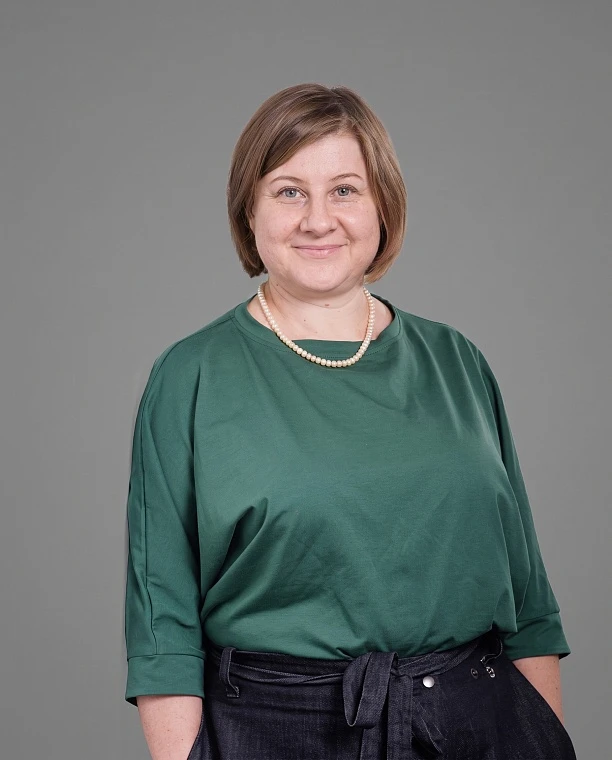
Yulia Vladimirovna
- Neurologist-epileptologist
- Neurologist
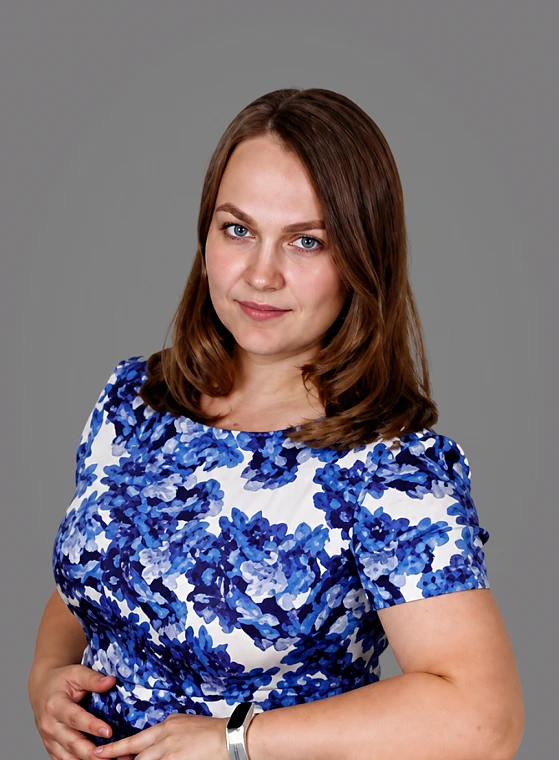
Anna Igorevna
- General Practitioner (Family Medicine)
- Neurologist
- Integrative medicine specialist