Delayed mental and psycho-speech development
A child's development has certain age norms.
In the 1st year of life, assessment is based on the rate of acquisition of motor skills – at 1 month the child begins to hold their head up and follows objects. At 4–5 months they roll over, at 6 months they sit up, and by 1 year a healthy child takes their first steps.
Mental development is assessed by the degree of sociability and volume of speech production.
At 6 months the child begins to coo, respond to their name, later babbling appears, by 1 year the child says up to 5 simple words, makes eye contact, and repeats simple gestures – "pat-a-cake," "bye-bye," etc.
Delayed acquisition of motor and psychoverbal skills indicates a disorder of the body's functioning and requires timely identification and elimination of the causes of the delay.
Often, with mild impairments, the delay can be overcome using massage and physical therapy for motor delay, and sessions with a defectologist, teacher, and speech therapist for speech delay. However, if the delay is severe, these methods will be insufficient; in such cases, a detailed diagnostic assessment of the body's metabolic and immunological status is necessary.
There are many causes of developmental delay, including consequences of perinatal hypoxia, hormonal insufficiency, deficiencies of minerals and amino acids, gastrointestinal dysfunction, and many other causes.
Previously, all brain dysfunctions were associated with the presence of cerebrovascular pathology in the child, so drugs that improve brain metabolism were actively prescribed. They may have a stimulating effect, but can often cause overexcitation and even the development of seizure syndrome.
Similar effects may be observed with the use of Tomatis, BAC, and other methods of non-pharmacological brain stimulation.
To determine the treatment strategy for a child's recovery, it is first necessary to determine which type of delay is dominant. If the child has exclusively speech developmental delay, it is often associated with pedagogical neglect, meaning the child is in a state of overprotection and has no motivation for speech activity, communicating through gestures and intonations. If the child is placed in an environment where they are no longer understood, a need for communication arises and they quickly build up their vocabulary.
A more complex situation is when the child has both mental and speech delay. This indicates the need for a comprehensive examination of the child. It is important to understand which type of delay is present – regressive or tempo.
In the regressive type, the child develops according to age norms up to a certain point, then a regression of already formed skills occurs, or the child loses already acquired vocabulary. Sometimes such regressions are recurrent. In this case, the key to successful recovery is identifying the cause of the regressions and eliminating it. This is often the result of internal intoxication or a chronic inflammatory process.
In tempo delay, the child acquires skills, but very slowly. Sessions with teachers have little effect; in this case, pharmaceutical support is also needed, which is provided by a doctor.
Thus, there are many causes of psychoverbal developmental delay; during a consultation with a doctor, it is necessary to identify the main one and begin working with it correctly.
Stories
from our patients
Results
of our work
1 year
How does treatment work at the "PlanetaMed" clinic?
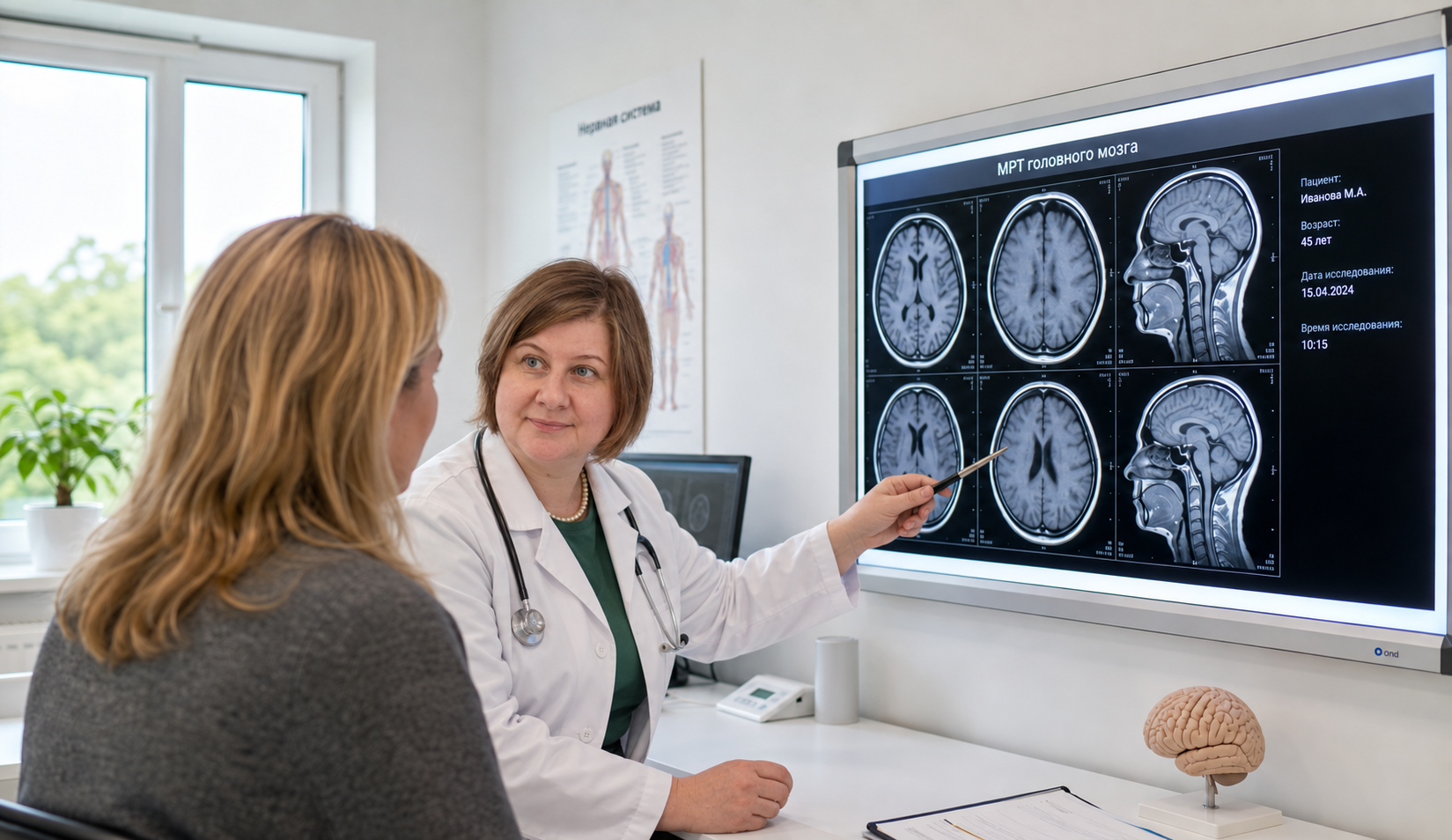
The first stage is a comprehensive examination of the body.
We go beyond simply making a diagnosis. It is crucial for us to understand how all body systems function, evaluate metabolic processes, inflammatory activity, immune status, gut and mitochondrial health, vitamin and trace element deficiencies, as well as other indicators that may influence the development of the disease.
It is high-quality diagnostics that forms the foundation of effective treatment.
What is included in the primary diagnostic list?
- Complete blood count (CBC)
- Biochemical blood test (total protein, lactate, bilirubin, urea, creatinine, ALT, AST, eosinophil cationic protein, NSE, S100, total IgE, TNF-alpha, C-reactive protein, rheumatoid factor)
- Urine organic acids — 60 parameters (urine)
- Amino acids — 48 parameters (blood)
- ASO (Antistreptolysin O)
- Human Herpesvirus 6 (HHV-6), quantitative
*Additional data may be required; the clinic administrators will provide you with more precise information.
Comprehensive diagnostics
The first stage is a comprehensive examination of the body.
We go beyond simply making a diagnosis. It is crucial for us to understand how all body systems function, evaluate metabolic processes, inflammatory activity, immune status, gut and mitochondrial health, vitamin and trace element deficiencies, as well as other indicators that may influence the development of the disease.
It is high-quality diagnostics that forms the foundation of effective treatment.
What is included in the primary diagnostic list?
- Complete blood count (CBC)
- Biochemical blood test (total protein, lactate, bilirubin, urea, creatinine, ALT, AST, eosinophil cationic protein, NSE, S100, total IgE, TNF-alpha, C-reactive protein, rheumatoid factor)
- Urine organic acids — 60 parameters (urine)
- Amino acids — 48 parameters (blood)
- ASO (Antistreptolysin O)
- Human Herpesvirus 6 (HHV-6), quantitative
*Additional data may be required; the clinic administrators will provide you with more precise information.
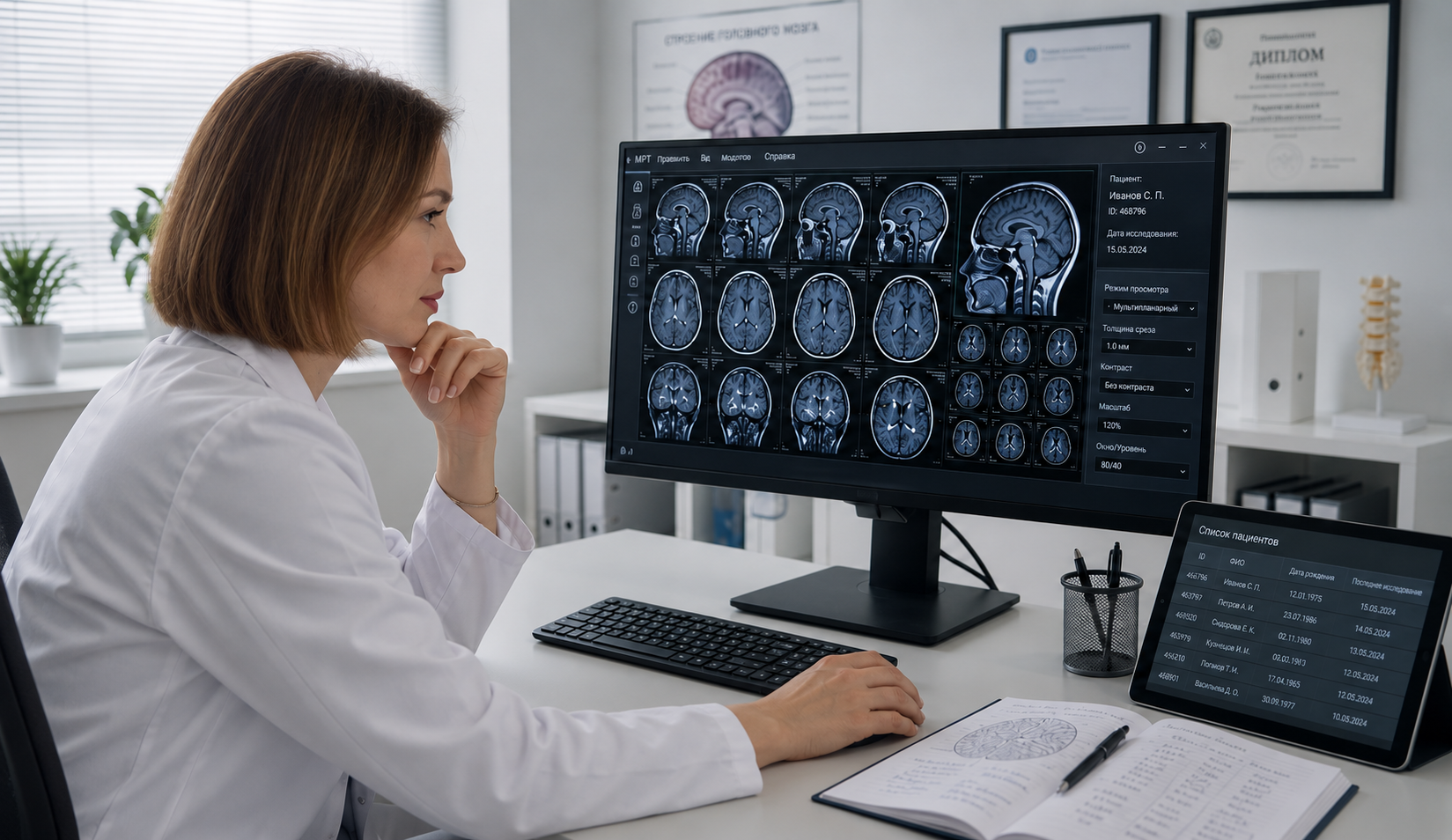
The exact same diagnosis can have completely different causes. Our task is to find the specific mechanism that led to the development of the illness in your particular case.
We analyze the examination results, medical history, and clinical picture to determine the root causes of the disease: chronic inflammation, metabolic disorders, mitochondrial dysfunction, toxic load, immune disorders, deficiency states, and other factors.
By addressing the cause, rather than just the symptoms, we create the foundation for sustainable results.
Identifying the cause of the disease
The exact same diagnosis can have completely different causes. Our task is to find the specific mechanism that led to the development of the illness in your particular case.
We analyze the examination results, medical history, and clinical picture to determine the root causes of the disease: chronic inflammation, metabolic disorders, mitochondrial dysfunction, toxic load, immune disorders, deficiency states, and other factors.
By addressing the cause, rather than just the symptoms, we create the foundation for sustainable results.

After establishing a complete clinical picture, the doctor develops a personalized treatment program.
Depending on the patient's condition, it may include:
- infusion therapy;
- dietary adjustments;
- ketogenic and metabolic programs;
- mitochondrial support;
- gut restoration;
- anti-inflammatory therapy;
- cellular technologies;
- nutritional support and other modern methods.
Each plan is created individually, taking into account age, diagnosis, examination results, and treatment goals.
Individualized treatment plan
After establishing a complete clinical picture, the doctor develops a personalized treatment program.
Depending on the patient's condition, it may include:
- infusion therapy;
- dietary adjustments;
- ketogenic and metabolic programs;
- mitochondrial support;
- gut restoration;
- anti-inflammatory therapy;
- cellular technologies;
- nutritional support and other modern methods.
Each plan is created individually, taking into account age, diagnosis, examination results, and treatment goals.
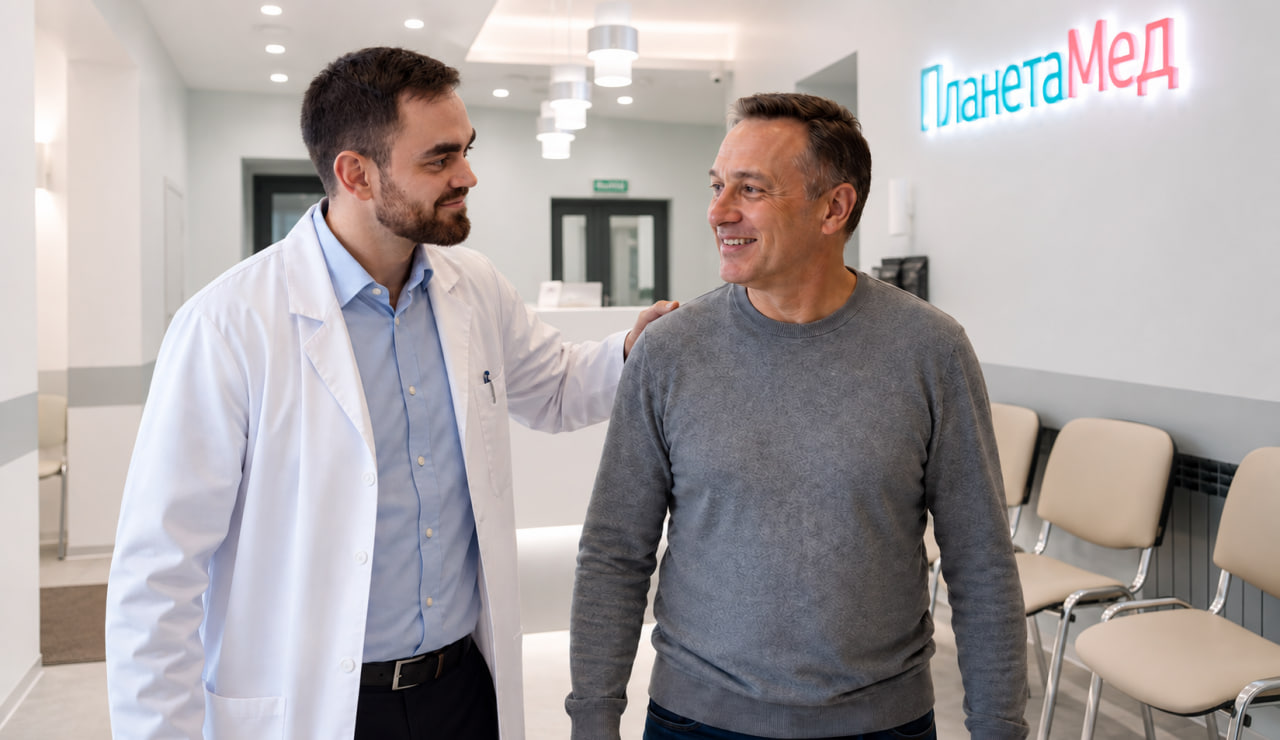
Treatment is a process that requires monitoring and timely adjustments.
Our specialists accompany the patient throughout the entire program: they evaluate progress, monitor health indicators, adjust prescriptions, and answer any questions that arise. This approach allows us to adapt the treatment in a timely manner and achieve the best possible results for each patient.
At PlanetaMed, we do not treat an isolated diagnosis — we work with the body as a whole, helping to restore its own resources and regain quality of life.
Support at all stages
Treatment is a process that requires monitoring and timely adjustments.
Our specialists accompany the patient throughout the entire program: they evaluate progress, monitor health indicators, adjust prescriptions, and answer any questions that arise. This approach allows us to adapt the treatment in a timely manner and achieve the best possible results for each patient.
At PlanetaMed, we do not treat an isolated diagnosis — we work with the body as a whole, helping to restore its own resources and regain quality of life.
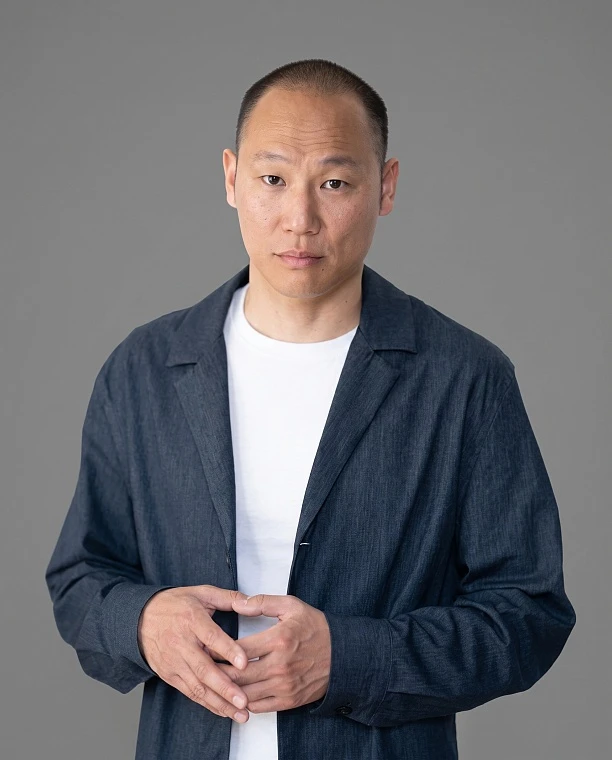
Anton Meliksovich
- Neurologist
- Epileptologist
- Integrative medicine specialist
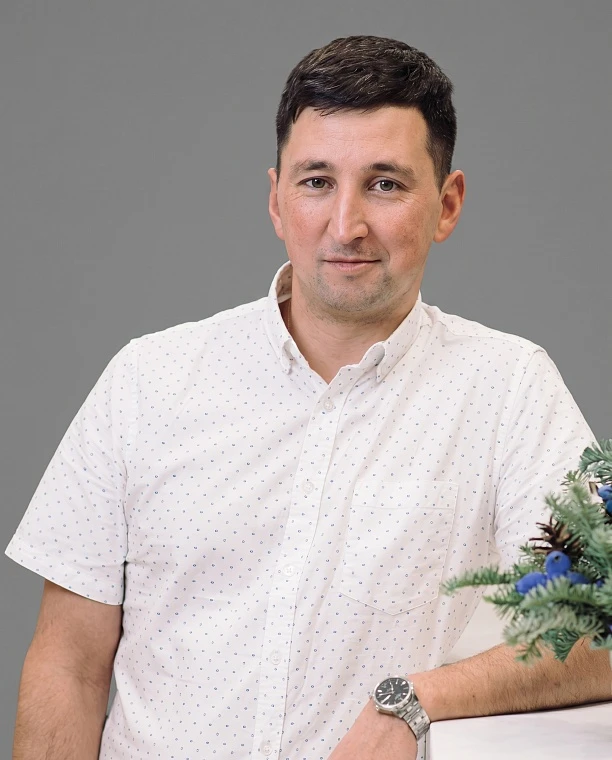
Timur Ruslanovich
- Neurologist
- Epileptologist
- Integrative medicine specialist
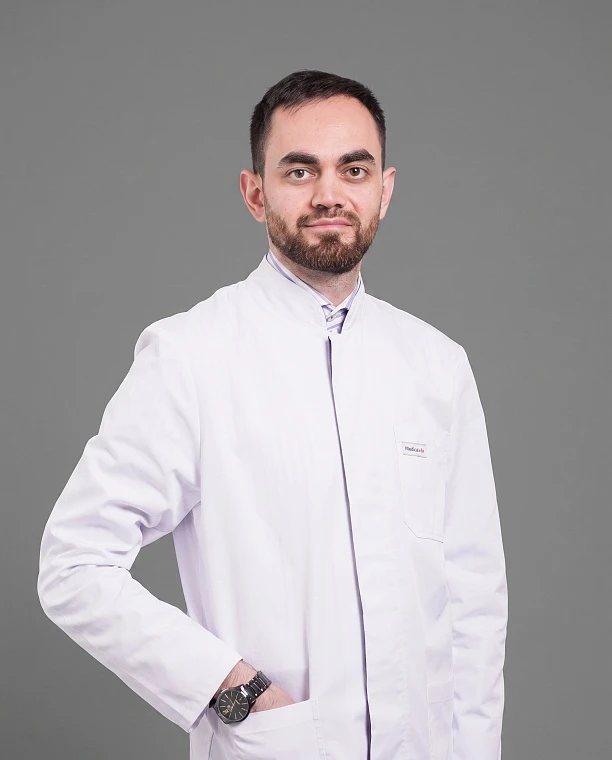
Latif Akifovich
- Neurologist-epileptologist
- Integrative medicine specialist
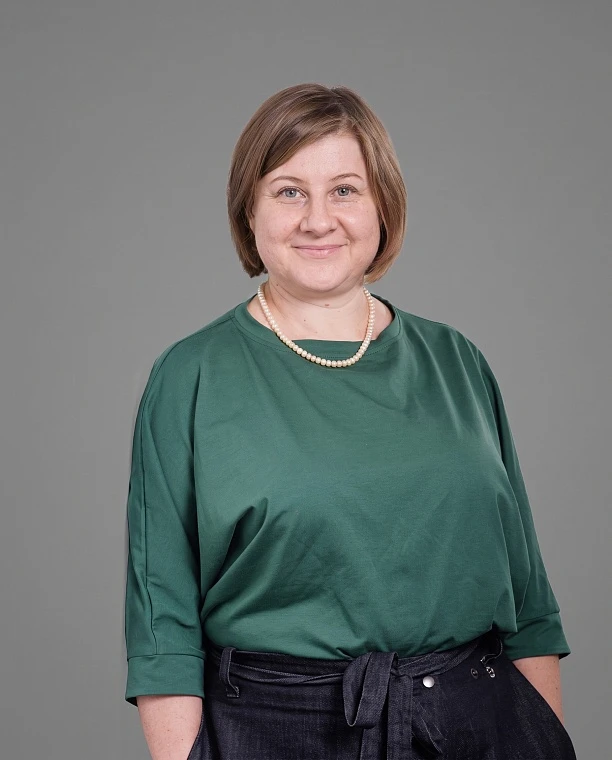
Yulia Vladimirovna
- Neurologist-epileptologist
- Neurologist
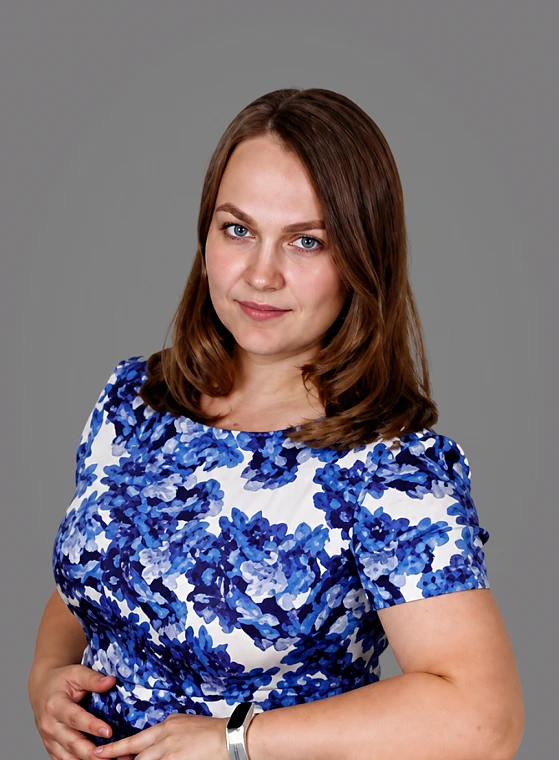
Anna Igorevna
- General Practitioner (Family Medicine)
- Neurologist
- Integrative medicine specialist