Adenoids in children
A large proportion of visits to a pediatrician and ENT doctor are for a condition such as adenoiditis. This diagnosis is especially common in children when they start attending kindergarten — at approximately 3–4 years of age. The main approach of doctors in such cases is local treatment, namely the use of various antibacterial drops in the nose, and if there is no effect, the prescription of topical hormonal drugs. For a while, this brings positive results.
But if the child continues to frequently suffer from viral infections accompanied by enlargement of adenoid tissue, then the issue needs to be addressed at a deeper level.
The mucous membrane of the nasal cavity and nasopharynx is the first to encounter pathogenic microorganisms, allergens, and pollutant particles, which triggers an inflammatory reaction on its surface. If such encounters are rare, the inflammatory process is reversible and the structure of the ciliated epithelium of the respiratory tract is fully restored.
With frequent exposure to viral agents, regenerative processes of the mucous membrane are disrupted, infiltration of the mucous membrane increases, and the lymphoid tissue of the tonsil becomes hypertrophied.
Longer presence of intracellular pathogens and persistent viral infections on the nasal mucosa leads to the development of secondary bacterial microflora and complications such as otitis, sinusitis, and lymphadenitis. What causes may underlie the development of adenoiditis:
1. Immaturity of the immune system, low levels of secretory immunoglobulin A, low levels of anti-inflammatory Th1 cytokines
2. Hypertrophy of lymphoid tissue can be considered as a response to antigenic viral-bacterial load.
Among bacterial pathogens, the most frequently identified are Haemophilus influenzae, Streptococcus pneumoniae, Moraxella catarrhalis, Staphylococcus aureus.
Among viruses, the herpes virus is of particular importance, as it can be considered a source of reduced immune response or a chronic focus of inflammation.
3. One of the most common causes of adenoid growth is parasitic load, which leads to chronic inflammation, intoxication, and weakening of the immune system.
4. An essential step in the treatment of adenoiditis is addressing bacterial biofilms. It is biofilms that cause the recurrent and chronic course of infectious and inflammatory processes. Biofilms, containing many types of microorganisms, form complexes with a highly organized structure.
Therefore, to achieve positive results in the treatment of adenoids in children, therapy must be comprehensive, targeting all links of the pathogenesis.
How does treatment work at the "PlanetaMed" clinic?
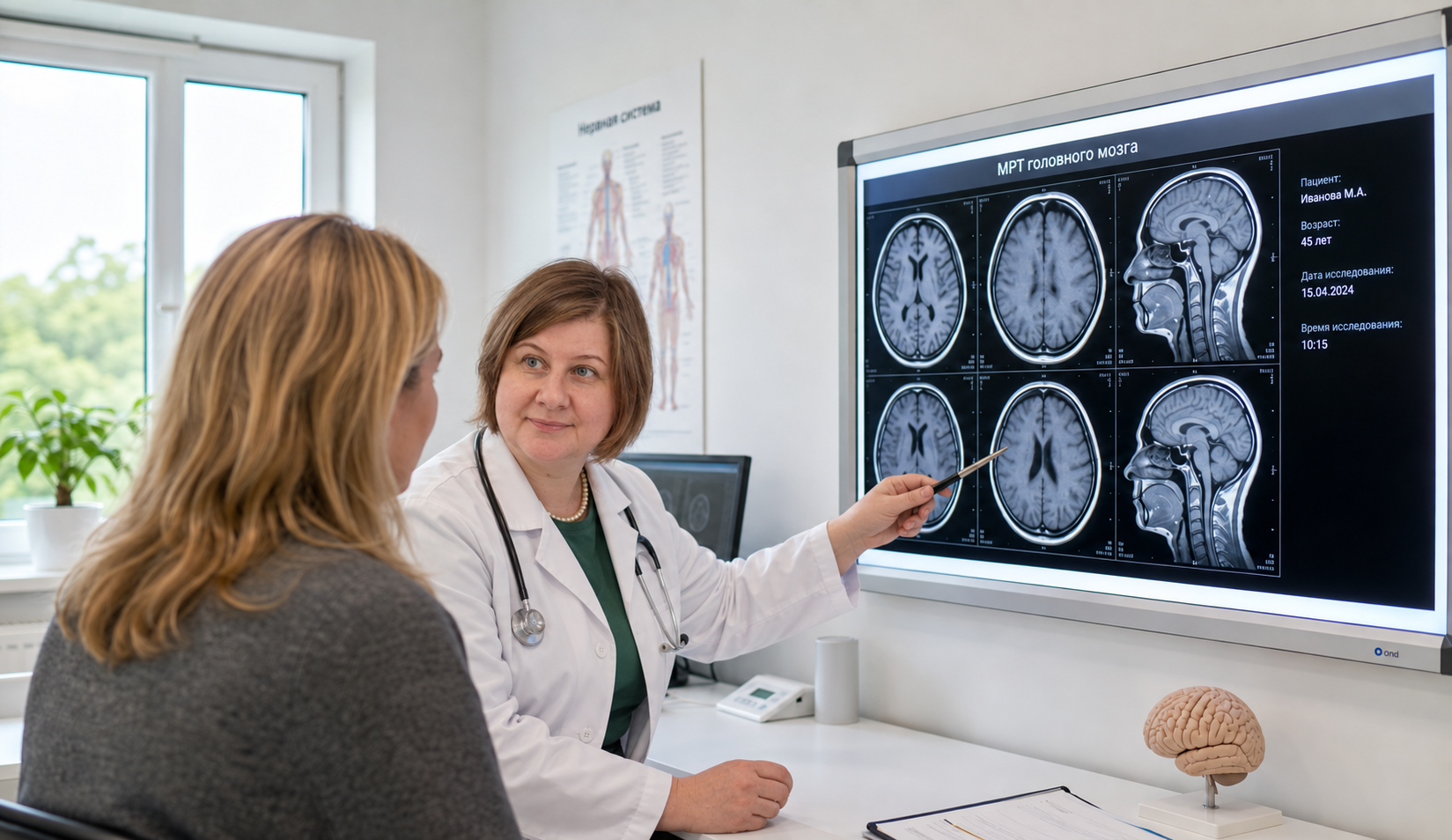
The first stage is a comprehensive examination of the body.
We go beyond simply making a diagnosis. It is crucial for us to understand how all body systems function, evaluate metabolic processes, inflammatory activity, immune status, gut and mitochondrial health, vitamin and trace element deficiencies, as well as other indicators that may influence the development of the disease.
It is high-quality diagnostics that forms the foundation of effective treatment.
What is included in the primary diagnostic list?
- Complete blood count (CBC)
- Biochemical blood test (total protein, lactate, bilirubin, urea, creatinine, ALT, AST, eosinophil cationic protein, NSE, S100, total IgE, TNF-alpha, C-reactive protein, rheumatoid factor)
- Urine organic acids — 60 parameters (urine)
- Amino acids — 48 parameters (blood)
- ASO (Antistreptolysin O)
- Human Herpesvirus 6 (HHV-6), quantitative
*Additional data may be required; the clinic administrators will provide you with more precise information.
Comprehensive diagnostics
The first stage is a comprehensive examination of the body.
We go beyond simply making a diagnosis. It is crucial for us to understand how all body systems function, evaluate metabolic processes, inflammatory activity, immune status, gut and mitochondrial health, vitamin and trace element deficiencies, as well as other indicators that may influence the development of the disease.
It is high-quality diagnostics that forms the foundation of effective treatment.
What is included in the primary diagnostic list?
- Complete blood count (CBC)
- Biochemical blood test (total protein, lactate, bilirubin, urea, creatinine, ALT, AST, eosinophil cationic protein, NSE, S100, total IgE, TNF-alpha, C-reactive protein, rheumatoid factor)
- Urine organic acids — 60 parameters (urine)
- Amino acids — 48 parameters (blood)
- ASO (Antistreptolysin O)
- Human Herpesvirus 6 (HHV-6), quantitative
*Additional data may be required; the clinic administrators will provide you with more precise information.
The exact same diagnosis can have completely different causes. Our task is to find the specific mechanism that led to the development of the illness in your particular case.
We analyze the examination results, medical history, and clinical picture to determine the root causes of the disease: chronic inflammation, metabolic disorders, mitochondrial dysfunction, toxic load, immune disorders, deficiency states, and other factors.
By addressing the cause, rather than just the symptoms, we create the foundation for sustainable results.
Identifying the cause of the disease
The exact same diagnosis can have completely different causes. Our task is to find the specific mechanism that led to the development of the illness in your particular case.
We analyze the examination results, medical history, and clinical picture to determine the root causes of the disease: chronic inflammation, metabolic disorders, mitochondrial dysfunction, toxic load, immune disorders, deficiency states, and other factors.
By addressing the cause, rather than just the symptoms, we create the foundation for sustainable results.

After establishing a complete clinical picture, the doctor develops a personalized treatment program.
Depending on the patient's condition, it may include:
- infusion therapy;
- dietary adjustments;
- ketogenic and metabolic programs;
- mitochondrial support;
- gut restoration;
- anti-inflammatory therapy;
- cellular technologies;
- nutritional support and other modern methods.
Each plan is created individually, taking into account age, diagnosis, examination results, and treatment goals.
Individualized treatment plan
After establishing a complete clinical picture, the doctor develops a personalized treatment program.
Depending on the patient's condition, it may include:
- infusion therapy;
- dietary adjustments;
- ketogenic and metabolic programs;
- mitochondrial support;
- gut restoration;
- anti-inflammatory therapy;
- cellular technologies;
- nutritional support and other modern methods.
Each plan is created individually, taking into account age, diagnosis, examination results, and treatment goals.
Treatment is a process that requires monitoring and timely adjustments.
Our specialists accompany the patient throughout the entire program: they evaluate progress, monitor health indicators, adjust prescriptions, and answer any questions that arise. This approach allows us to adapt the treatment in a timely manner and achieve the best possible results for each patient.
At PlanetaMed, we do not treat an isolated diagnosis — we work with the body as a whole, helping to restore its own resources and regain quality of life.
Support at all stages
Treatment is a process that requires monitoring and timely adjustments.
Our specialists accompany the patient throughout the entire program: they evaluate progress, monitor health indicators, adjust prescriptions, and answer any questions that arise. This approach allows us to adapt the treatment in a timely manner and achieve the best possible results for each patient.
At PlanetaMed, we do not treat an isolated diagnosis — we work with the body as a whole, helping to restore its own resources and regain quality of life.
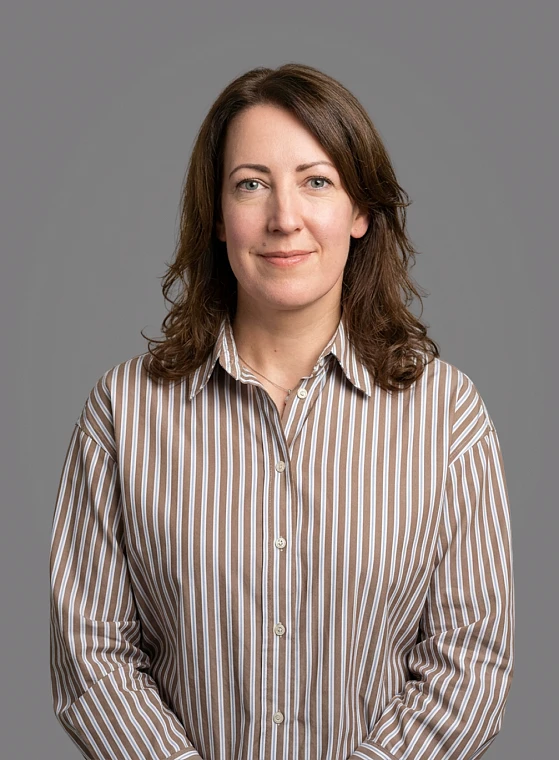
Kristina Erikovna
- Pediatrician
- Preventive pediatrician
- Psychosomatic specialist
- AromaTouch Technique Specialist