
Metabolic syndrome
Metabolic syndrome is an established medical term for a combination of clinical phenomena indicating metabolic disorders.
Metabolic syndrome includes:
All of the described components of metabolic syndrome — individually — are not a disease, but together they determine a significant level of risk for developing diabetes mellitus and obesity.
Each of the components mutually reinforces the others, thus a person who falls into the vicious circle of these manifestations often cannot get out on their own without a doctor's help.
Changes in body weight are the first and often the most noticeable manifestation of metabolic syndrome, and often it is this that triggers a cascade of biochemical disorders, drawing in other manifestations of metabolic syndrome. Obesity is a complex problem that is not always associated with an alimentary factor, that is, it does not always follow an excess of incoming food products.
Modern obesity is often a consequence of a chronic inflammatory process (including autoimmune) and hormonal dysfunction. Unlike alimentary obesity, post-inflammatory dysregulatory obesity is more difficult to compensate for and does not respond to simple interventions such as a "healthy lifestyle." A healthy lifestyle is a sufficient basis for maintaining health in a healthy person, but a modern young person often already has a set of chronic diseases by the age of 35, which makes them significantly more vulnerable and therefore in need of help.
The steady increase in autoimmune diseases in young people and children is becoming a basis for the development of hormonal dysfunctions, obesity, and metabolic syndrome in the younger population.
The prevalence of obesity and related problems has increased so much worldwide that the boundary between normal and pathological has statistically begun to shift. Psychologization and body-positive movements — initially aimed at eliminating stigmatization and bullying — ultimately lead to "blurring" the problem both in individual cases and on a population scale.
Read more about this in the book "The Pyramid of Health" by Vasily Generalov.
Hormonal dysfunction in metabolic syndrome develops and progresses side by side with immune and mitochondrial pathology, making standard treatment methods ineffective (there is not enough energy for regular physical activity, "proper nutrition" does not give the desired effect, etc.)
That is why metabolic syndrome is a truly integrative phenomenon that requires comprehensive examination and treatment.
PlanetaMed Clinic is a flagship of the ketogenic in particular and the elimination approach in dietetics in general.
Lecture 10. Basic principles of the ketogenic diet
The elimination nutrition protocol is a key, but not the only key to solving metabolic syndrome; often comprehensive and professional work with hormonal, immune, and mitochondrial status is required.
Specialists of the clinic network successfully cope with this task.
While you are preparing for your initial appointment, be sure to familiarize yourself with our lecture courses and, of course, the must-have book of every modern person — books.
How does treatment work at the "PlanetaMed" clinic?
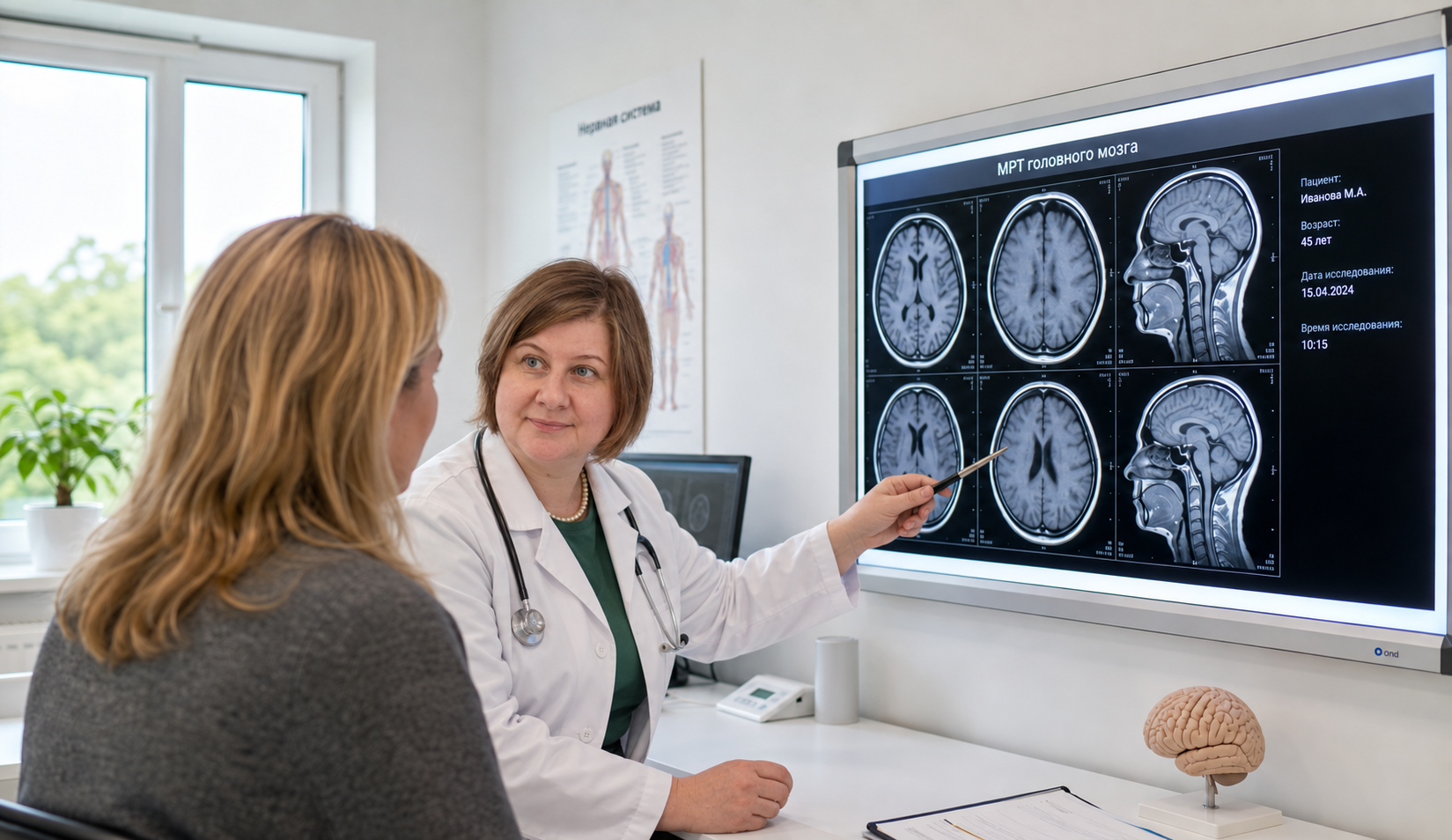
The first stage is a comprehensive examination of the body.
We go beyond simply making a diagnosis. It is crucial for us to understand how all body systems function, evaluate metabolic processes, inflammatory activity, immune status, gut and mitochondrial health, vitamin and trace element deficiencies, as well as other indicators that may influence the development of the disease.
It is high-quality diagnostics that forms the foundation of effective treatment.
What is included in the primary diagnostic list?
- Complete blood count (CBC)
- Biochemical blood test (total protein, lactate, bilirubin, urea, creatinine, ALT, AST, eosinophil cationic protein, NSE, S100, total IgE, TNF-alpha, C-reactive protein, rheumatoid factor)
- Urine organic acids — 60 parameters (urine)
- Amino acids — 48 parameters (blood)
- ASO (Antistreptolysin O)
- Human Herpesvirus 6 (HHV-6), quantitative
*Additional data may be required; the clinic administrators will provide you with more precise information.
Comprehensive diagnostics
The first stage is a comprehensive examination of the body.
We go beyond simply making a diagnosis. It is crucial for us to understand how all body systems function, evaluate metabolic processes, inflammatory activity, immune status, gut and mitochondrial health, vitamin and trace element deficiencies, as well as other indicators that may influence the development of the disease.
It is high-quality diagnostics that forms the foundation of effective treatment.
What is included in the primary diagnostic list?
- Complete blood count (CBC)
- Biochemical blood test (total protein, lactate, bilirubin, urea, creatinine, ALT, AST, eosinophil cationic protein, NSE, S100, total IgE, TNF-alpha, C-reactive protein, rheumatoid factor)
- Urine organic acids — 60 parameters (urine)
- Amino acids — 48 parameters (blood)
- ASO (Antistreptolysin O)
- Human Herpesvirus 6 (HHV-6), quantitative
*Additional data may be required; the clinic administrators will provide you with more precise information.

The exact same diagnosis can have completely different causes. Our task is to find the specific mechanism that led to the development of the illness in your particular case.
We analyze the examination results, medical history, and clinical picture to determine the root causes of the disease: chronic inflammation, metabolic disorders, mitochondrial dysfunction, toxic load, immune disorders, deficiency states, and other factors.
By addressing the cause, rather than just the symptoms, we create the foundation for sustainable results.
Identifying the cause of the disease
The exact same diagnosis can have completely different causes. Our task is to find the specific mechanism that led to the development of the illness in your particular case.
We analyze the examination results, medical history, and clinical picture to determine the root causes of the disease: chronic inflammation, metabolic disorders, mitochondrial dysfunction, toxic load, immune disorders, deficiency states, and other factors.
By addressing the cause, rather than just the symptoms, we create the foundation for sustainable results.

After establishing a complete clinical picture, the doctor develops a personalized treatment program.
Depending on the patient's condition, it may include:
- infusion therapy;
- dietary adjustments;
- ketogenic and metabolic programs;
- mitochondrial support;
- gut restoration;
- anti-inflammatory therapy;
- cellular technologies;
- nutritional support and other modern methods.
Each plan is created individually, taking into account age, diagnosis, examination results, and treatment goals.
Individualized treatment plan
After establishing a complete clinical picture, the doctor develops a personalized treatment program.
Depending on the patient's condition, it may include:
- infusion therapy;
- dietary adjustments;
- ketogenic and metabolic programs;
- mitochondrial support;
- gut restoration;
- anti-inflammatory therapy;
- cellular technologies;
- nutritional support and other modern methods.
Each plan is created individually, taking into account age, diagnosis, examination results, and treatment goals.
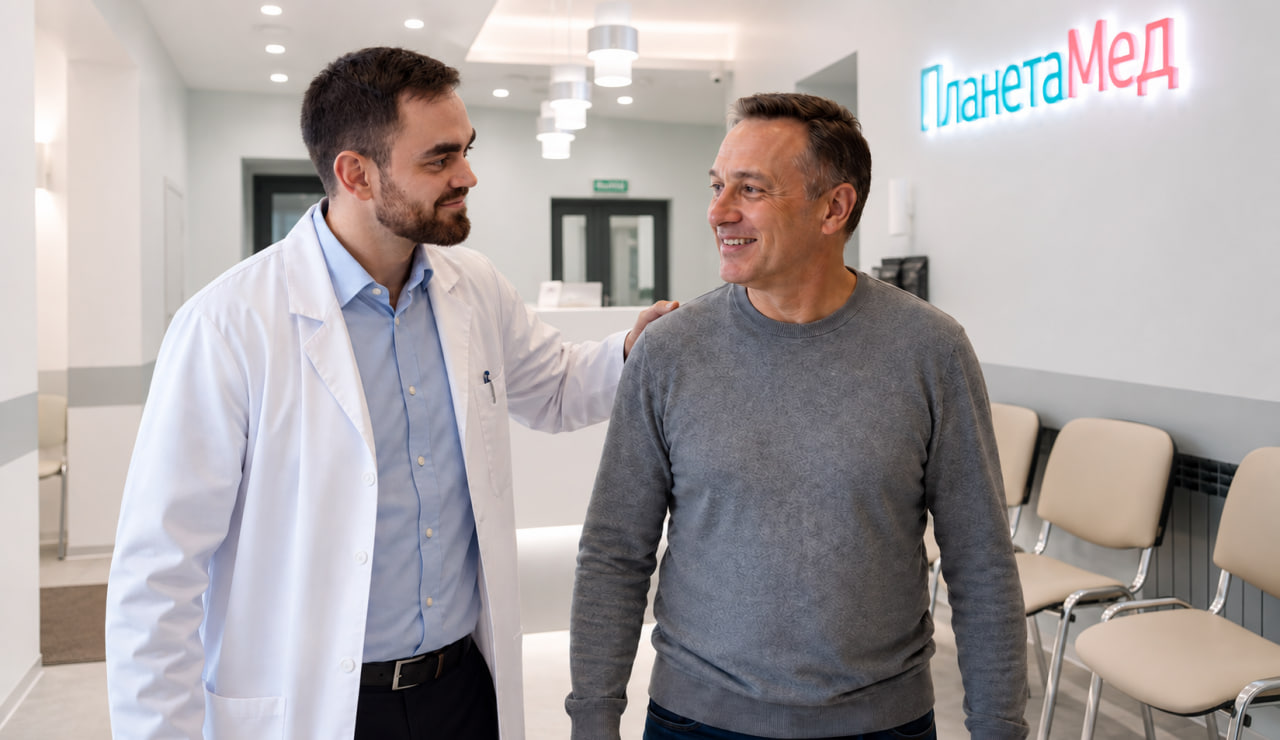
Treatment is a process that requires monitoring and timely adjustments.
Our specialists accompany the patient throughout the entire program: they evaluate progress, monitor health indicators, adjust prescriptions, and answer any questions that arise. This approach allows us to adapt the treatment in a timely manner and achieve the best possible results for each patient.
At PlanetaMed, we do not treat an isolated diagnosis — we work with the body as a whole, helping to restore its own resources and regain quality of life.
Support at all stages
Treatment is a process that requires monitoring and timely adjustments.
Our specialists accompany the patient throughout the entire program: they evaluate progress, monitor health indicators, adjust prescriptions, and answer any questions that arise. This approach allows us to adapt the treatment in a timely manner and achieve the best possible results for each patient.
At PlanetaMed, we do not treat an isolated diagnosis — we work with the body as a whole, helping to restore its own resources and regain quality of life.