Amyotrophic lateral sclerosis (ALS)
ALS is a progressive disease of the nervous system, which damages the nerve fibers that innervate the muscles, so the clinical picture is dominated by symptoms associated with damage to motor functions - muscle twitching, weakness, muscle stiffness.
Damage to the lower motor neurons (neurons of the spinal cord) is distinguished, which disrupts walking, a person begins to stumble, walk uncertainly up and down the stairs, fine motor skills in the hands, handwriting, etc. are impaired.
When the upper motor neurons (originating from the brain) are involved, facial muscles weaken, a nasal voice appears, chewing and swallowing are impaired.
The symptoms increase very quickly, loss of muscle strength disables the patient, it becomes difficult for him to move, walk independently, and take care of himself. With progression of paresis of the diaphragm and respiratory muscles, breathing disorders develop, oxygen support is required, swallowing disorders lead to difficulties in eating, patients are given a gastrostomy.
Currently, the cause of ALS is unknown, there is no treatment for ALS, only symptomatic therapy is prescribed, life expectancy with this disease rarely exceeds 3-5 years.
Diagnostics of ALS is based on the clinical picture, results of electromyography ENMG, MRI of the brain and spinal cord, sometimes biopsy results.
Several theories of ALS development are considered.
Immunological. It is assumed that microglia (immune cells of the central nervous system, macrophages) reduces its protective activity, while pathogenic microorganisms are activated, this leads to damage to neurons. The more neurons are damaged, the faster the process of damage to healthy neurons increases. It is not possible to identify the leading pathogen.
Mitochondrial theory. A decrease in energy production in nerve cells leads to conductivity impairment, reduces the level of electrical signal production, which is necessary for muscle contraction. Therefore, drugs with a mitochondrial effect are added to the treatment.
Oxidative stress theory. An increase in the number of free radicals with mitochondrial dysfunction and impaired oxygen utilization leads to damage to the cells of the nervous system. Therefore, with ALS, it is necessary to carry out antioxidant therapy.
In general, there is currently no cure for ALS or ALS treatment in the world, existing programs only accompany the patient as he or she fades. However, this does not mean that research and attempts to find new approaches to treating this disease with an extremely unfavorable outcome have ceased.
On the websites of foreign clinics, you can find invitations to join experimental research groups that test new drugs and treatment regimens for ALS.
In our clinic, we consult patients with ALS; our approaches are based on the immuno-mitochondrial concept of the development of degenerative diseases of the nervous system. Our positive experience in treating multiple sclerosis, dementia, autism, Parkinson's disease, built on this concept, shows its validity when used in pathogenetically close, although different in external manifestations, conditions.
Therefore, in situations where there are no treatment options, the prognosis for the disease is fatal, you have the right to try all potentially promising treatment regimens.
Sign up for a consultation through the clinic administrator, the sooner you contact, the more noticeable the work will be.
When patients contact us already at terminal stage of the process, as a rule, it is already unrealistic to help them.

How does treatment work at the "PlanetaMed" clinic?
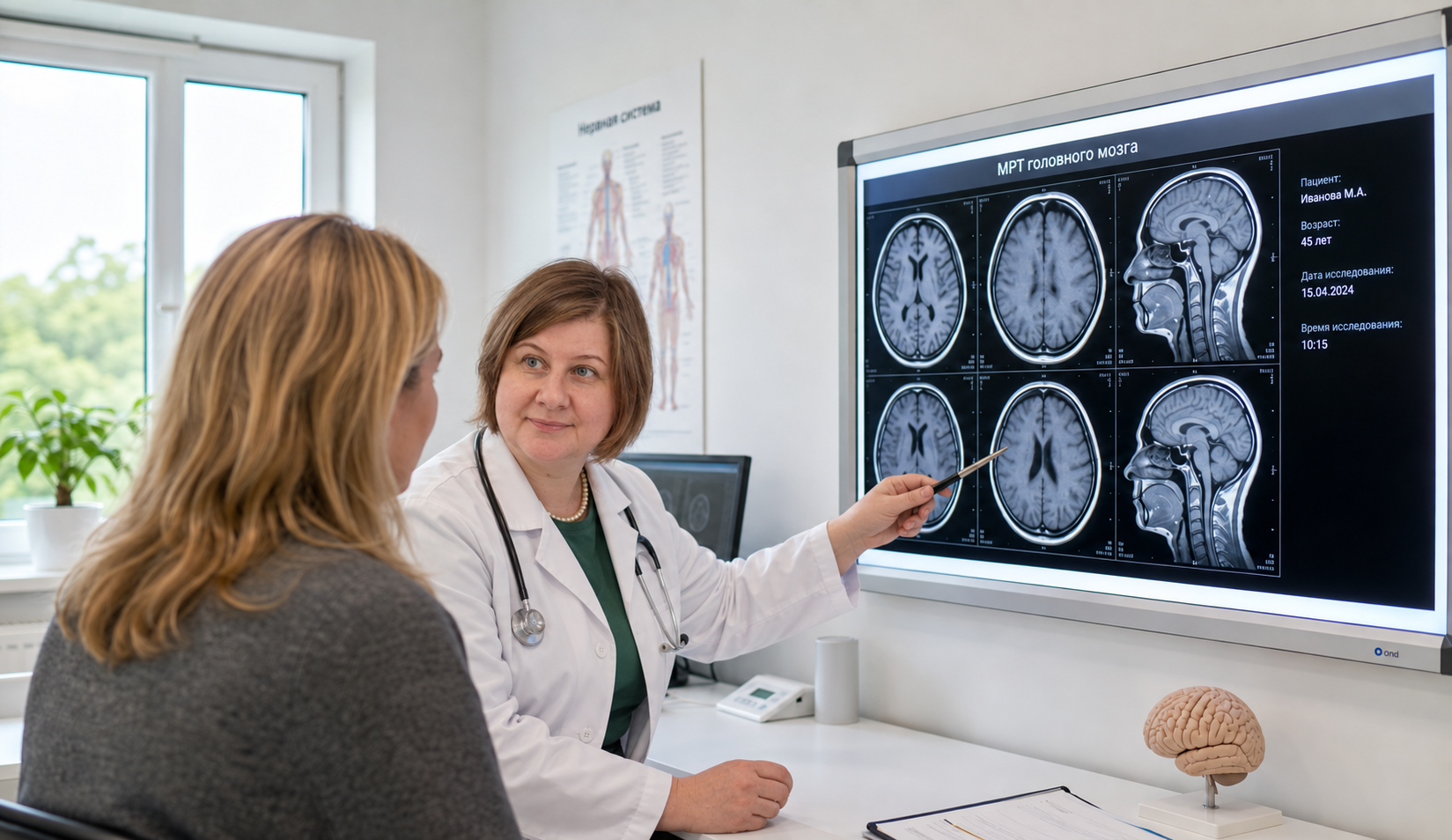
The first stage is a comprehensive examination of the body.
We go beyond simply making a diagnosis. It is crucial for us to understand how all body systems function, evaluate metabolic processes, inflammatory activity, immune status, gut and mitochondrial health, vitamin and trace element deficiencies, as well as other indicators that may influence the development of the disease.
It is high-quality diagnostics that forms the foundation of effective treatment.
What is included in the primary diagnostic list?
- Complete blood count (CBC)
- Biochemical blood test (total protein, lactate, bilirubin, urea, creatinine, ALT, AST, eosinophil cationic protein, NSE, S100, total IgE, TNF-alpha, C-reactive protein, rheumatoid factor)
- Urine organic acids — 60 parameters (urine)
- Amino acids — 48 parameters (blood)
- ASO (Antistreptolysin O)
- Human Herpesvirus 6 (HHV-6), quantitative
*Additional data may be required; the clinic administrators will provide you with more precise information.
Comprehensive diagnostics
The first stage is a comprehensive examination of the body.
We go beyond simply making a diagnosis. It is crucial for us to understand how all body systems function, evaluate metabolic processes, inflammatory activity, immune status, gut and mitochondrial health, vitamin and trace element deficiencies, as well as other indicators that may influence the development of the disease.
It is high-quality diagnostics that forms the foundation of effective treatment.
What is included in the primary diagnostic list?
- Complete blood count (CBC)
- Biochemical blood test (total protein, lactate, bilirubin, urea, creatinine, ALT, AST, eosinophil cationic protein, NSE, S100, total IgE, TNF-alpha, C-reactive protein, rheumatoid factor)
- Urine organic acids — 60 parameters (urine)
- Amino acids — 48 parameters (blood)
- ASO (Antistreptolysin O)
- Human Herpesvirus 6 (HHV-6), quantitative
*Additional data may be required; the clinic administrators will provide you with more precise information.
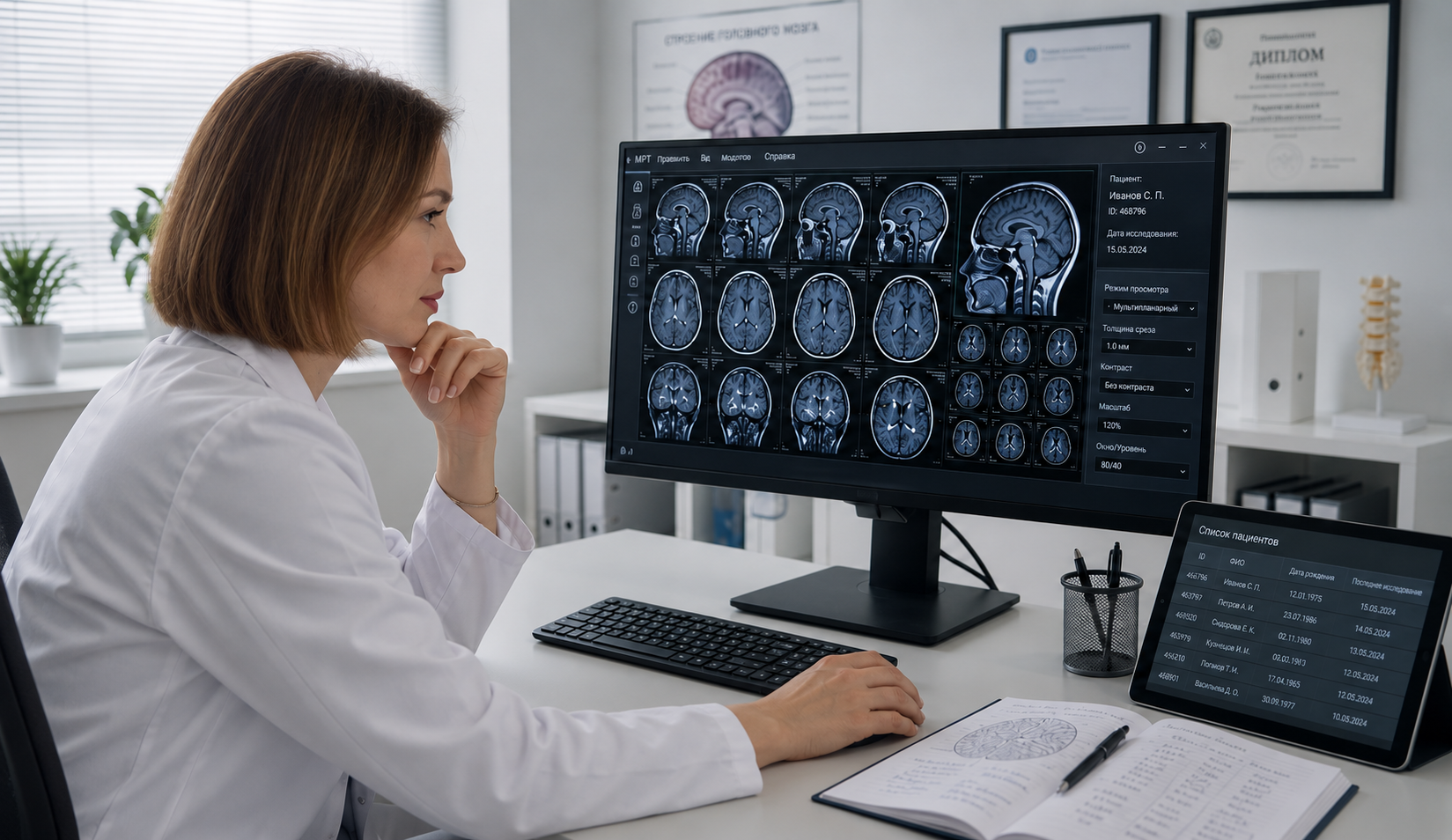
The exact same diagnosis can have completely different causes. Our task is to find the specific mechanism that led to the development of the illness in your particular case.
We analyze the examination results, medical history, and clinical picture to determine the root causes of the disease: chronic inflammation, metabolic disorders, mitochondrial dysfunction, toxic load, immune disorders, deficiency states, and other factors.
By addressing the cause, rather than just the symptoms, we create the foundation for sustainable results.
Identifying the cause of the disease
The exact same diagnosis can have completely different causes. Our task is to find the specific mechanism that led to the development of the illness in your particular case.
We analyze the examination results, medical history, and clinical picture to determine the root causes of the disease: chronic inflammation, metabolic disorders, mitochondrial dysfunction, toxic load, immune disorders, deficiency states, and other factors.
By addressing the cause, rather than just the symptoms, we create the foundation for sustainable results.

After establishing a complete clinical picture, the doctor develops a personalized treatment program.
Depending on the patient's condition, it may include:
- infusion therapy;
- dietary adjustments;
- ketogenic and metabolic programs;
- mitochondrial support;
- gut restoration;
- anti-inflammatory therapy;
- cellular technologies;
- nutritional support and other modern methods.
Each plan is created individually, taking into account age, diagnosis, examination results, and treatment goals.
Individualized treatment plan
After establishing a complete clinical picture, the doctor develops a personalized treatment program.
Depending on the patient's condition, it may include:
- infusion therapy;
- dietary adjustments;
- ketogenic and metabolic programs;
- mitochondrial support;
- gut restoration;
- anti-inflammatory therapy;
- cellular technologies;
- nutritional support and other modern methods.
Each plan is created individually, taking into account age, diagnosis, examination results, and treatment goals.
Treatment is a process that requires monitoring and timely adjustments.
Our specialists accompany the patient throughout the entire program: they evaluate progress, monitor health indicators, adjust prescriptions, and answer any questions that arise. This approach allows us to adapt the treatment in a timely manner and achieve the best possible results for each patient.
At PlanetaMed, we do not treat an isolated diagnosis — we work with the body as a whole, helping to restore its own resources and regain quality of life.
Support at all stages
Treatment is a process that requires monitoring and timely adjustments.
Our specialists accompany the patient throughout the entire program: they evaluate progress, monitor health indicators, adjust prescriptions, and answer any questions that arise. This approach allows us to adapt the treatment in a timely manner and achieve the best possible results for each patient.
At PlanetaMed, we do not treat an isolated diagnosis — we work with the body as a whole, helping to restore its own resources and regain quality of life.
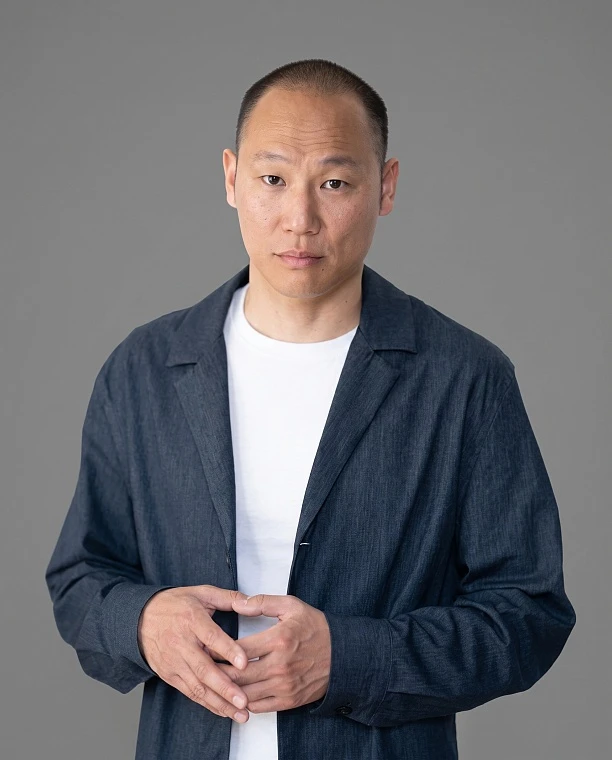
Anton Meliksovich
- Neurologist
- Epileptologist
- Integrative medicine specialist
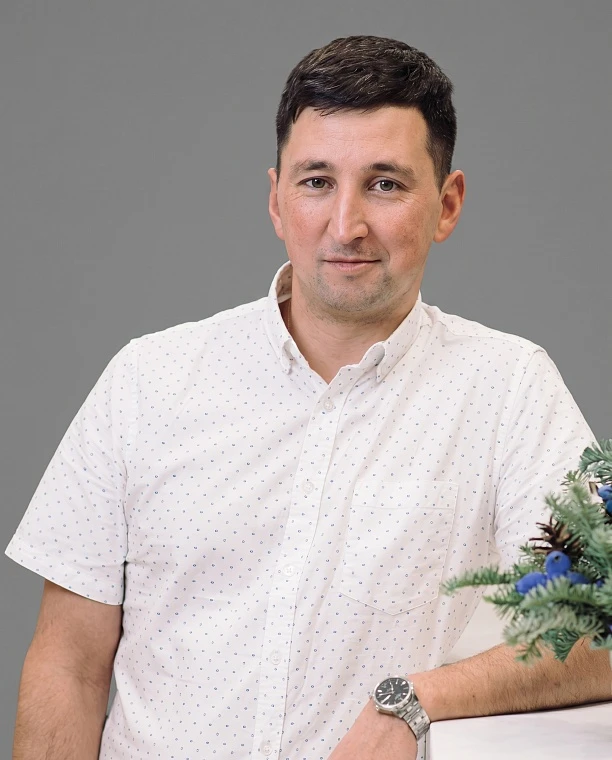
Timur Ruslanovich
- Neurologist
- Epileptologist
- Integrative medicine specialist
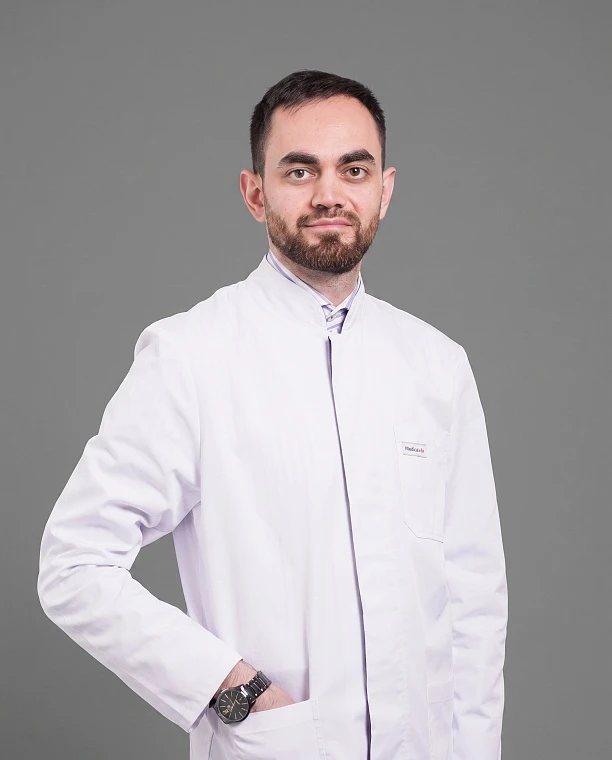
Latif Akifovich
- Neurologist-epileptologist
- Integrative medicine specialist
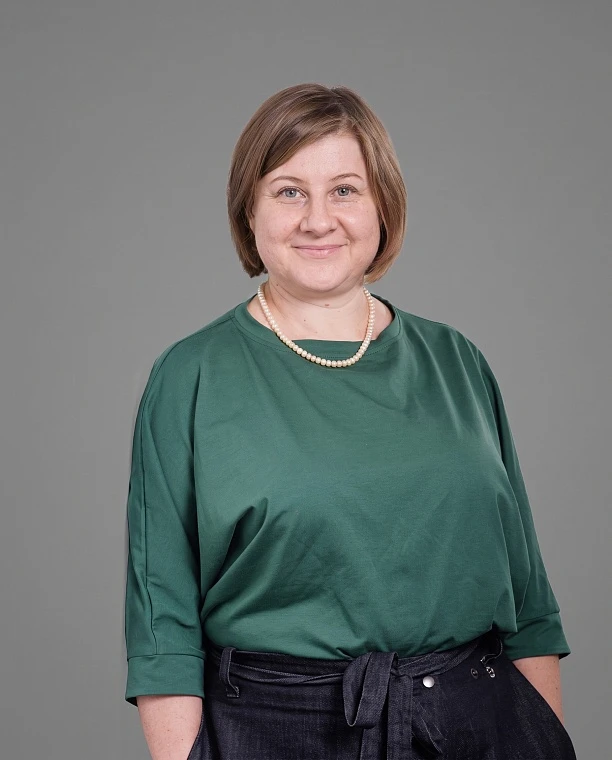
Yulia Vladimirovna
- Neurologist-epileptologist
- Neurologist
Anna Igorevna
- General Practitioner (Family Medicine)
- Neurologist
- Integrative medicine specialist